The Yellow Wall: Dortmund's Pride and Joy
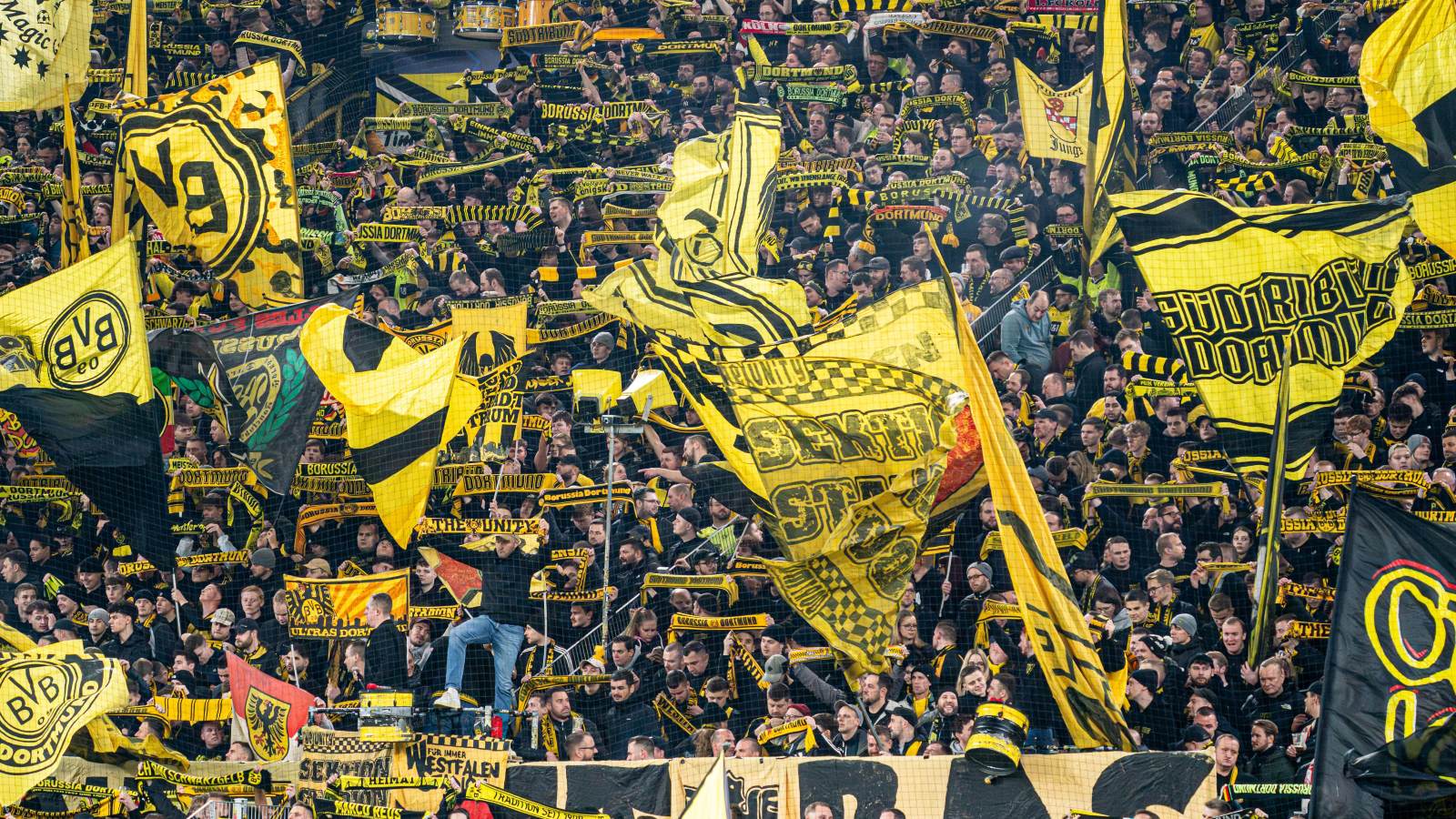
Ask someone from Dortmund about the city and you'll get a rather predictable answer. Unlike Paris, where visitors want to discuss art and fine dining, or Rome with its endless historical monuments, conversation about Dortmund inevitably circles back to one subject: football. More specifically, Borussia Dortmund. And most specifically still, the club's fanatical support.
It's a fair question to wonder how a city like Dortmund manages to attract more than 81,000 spectators per match—outpacing Barcelona, Real Madrid, and Juventus—and boasts what many regard as the world's most magnificent terrace. That distinction belongs to the South Stand, a 25,000-capacity section known internationally as the Yellow Wall.
The answer lies partly in geography and history. Schalke, situated just 20 miles west, averaged 61,000 fans last season despite languishing in the second division. Essen, eight miles beyond Schalke, drew 17,000 in the third tier. Duisburg, another 12 miles on, pulled in 16,900 from the fourth division. The entire western German urban sprawl—the Ruhr Area—is consumed by football passion.
This fervent culture traces back to the region's industrial heritage. Steel mills and coal mines once dominated the landscape, and the working man's game took root among those toiling in harsh conditions. When those industries collapsed and economic decline ravaged the region, football became something more vital: the last wellspring of civic pride for communities with little else to celebrate.
Dortmund itself isn't particularly picturesque. Heavy bombing during the war followed by hurried 1950s reconstruction left the city aesthetically unremarkable. The local joke runs that three buildings merit visiting: the new stadium, the old stadium, and the German Football Museum. There's a public park with a striking television tower, an arts venue housed in a former brewery, and a man-made lake created from a dismantled steel mill, but football truly dominates the visitor experience here.
Start downtown at the German Football Museum, which opened in 2015 near the central station. (Budget extra time for delays—German efficiency myths don't hold up in Dortmund.) Two miles south stands the Westfalenstadion, with the old ground now dwarfed by its modern successor.
The original Westfalenstadion, built as a municipal facility for the 1974 World Cup, featured single-tiered stands and open corners housing four distinctive red floodlight towers. Borussia occupied the second division at the time, teetering toward insolvency, yet the stadium became their salvation. Its "British" design—no running track, expansive terraces—proved instantly beloved.
The club's 1990s successes prompted structural changes: second tiers were added to all four sides and corners enclosed, creating one of Europe's largest stadiums. Something was sacrificed in this modernisation—the intimate atmosphere. Yet something extraordinary was gained: European football's biggest terrace.
The Yellow Wall name came from a 2005 tifo, though locals simply call it the South Stand. It represents far more than bricks and steel. When Dortmund defied UEFA's all-seater regulations in the 1990s and preserved this section as standing room, the South Stand became a statement—a declaration that football should remain accessible to ordinary supporters. Adult tickets cost 18.50 euros, assuming you can secure one.
Some visitors pay considerably more for seated areas specifically to observe the Yellow Wall's magnificent display of yellow and black. It's not hyperbole to call it the city's foremost attraction. It's the heartbeat of Borussia and, arguably, Dortmund itself.
Compare options