World Cup 2026: American Influence, Hydration Breaks, and the Changing Face of Football
The 2026 World Cup is well underway, and while there's plenty to celebrate about the tournament's logistics—sold-out stadiums and mixed fan sections creating an atmosphere largely free of the segregation and tension that plagues club football—concerns are mounting about how North American influence is reshaping the beautiful game itself.
The Good, The Bad, and The Hydration Break
On the positive front, ticket availability has been impressive. Every match appears to have shifted every seat, a rarity when lesser-supported nations typically draw sparse crowds. The mixed-fan sections throughout stadiums have been equally striking, with rival supporters mingling freely rather than being cordoned off by barriers and police lines—something that's been held up as a rugby virtue for decades.
Yet this mixing comes with a trade-off. Traditional football atmosphere—the coordinated singing, the chants that build throughout a match—has been diluted. Modern stadiums, while architecturally impressive, often distance supporters from the pitch. Some grounds lack fans at pitch level entirely, creating a sanitised feel that strips away the raw energy football once thrived on.
More troubling, however, is the creeping Americanisation of the sport itself. Supporters unfamiliar with football's rhythms are wandering off at half-time, apparently unaware that 15 minutes isn't enough to grab a burger and return for the second half. Empty seats dot the opening quarter-hour after the restart. Meanwhile, fans are erupting over catching loose balls as though they've won a prize—a reflex borrowed from baseball and basketball culture.
The Clock Keeps Running: A Dangerous Precedent
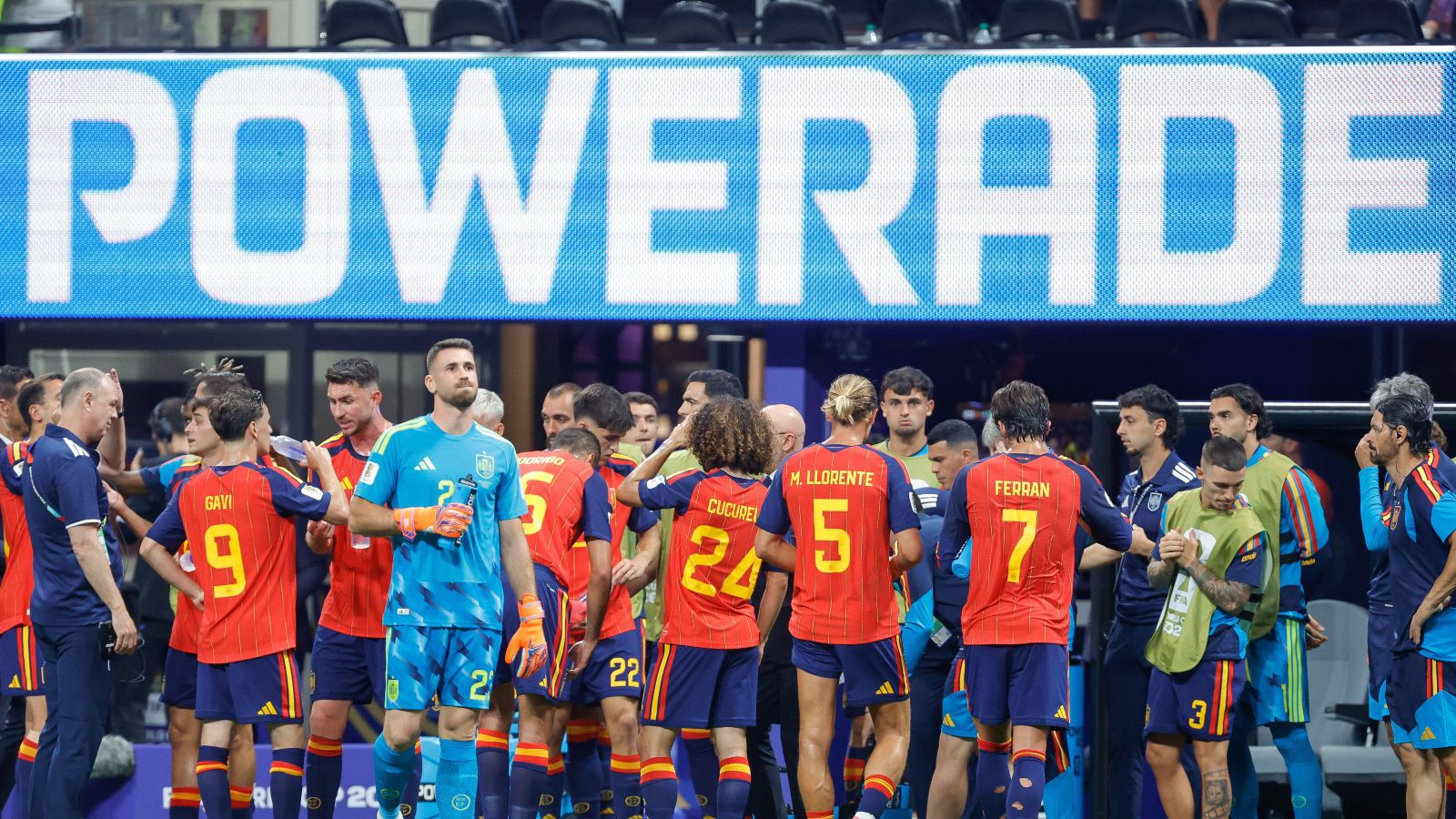
The most contentious issue centres on mandatory hydration breaks. In many stadiums where temperatures are moderate or air conditioning is in place, these pauses serve no genuine purpose. They exist to satisfy North American broadcasters desperate for advertising slots—a concession football has resisted for four decades, only to capitulate now.
The clock continues running during these breaks, meaning matches effectively become two 50-minute halves rather than the traditional 45. This may seem trivial, but it's a dangerous precedent. Once this door opens, what's to stop demands for four 22.5-minute quarters? Or stopping the clock between plays? Or coach's challenges? Or eliminating draws because American sports audiences supposedly prefer decisive outcomes?
VAR proved that adding new elements to football can have unforeseen consequences. A North American-influenced format could trigger a cascade of changes that fundamentally alter the sport. The risk is a future where European football and summer tournaments operate under entirely different rule sets.
Mixed Reactions on the Pitch
On the field itself, results have been unpredictable. Spain's draw with Cape Verde raised eyebrows, while Brazil, the Netherlands, Belgium, and Spain have all underwhelmed under tournament pressure. England faces its own test on Wednesday, hoping to avoid the same fate that's befallen the traditional powerhouses.
Belgium's campaign has been quietly encouraging. Under Rudi Garcia—a decision as controversial as appointing a German to manage England—the side has adopted a more attacking approach. With a largely rebuilt squad from 2018 and only a handful of survivors from the disastrous 2022 campaign, they're showing ambition. A 5-0 friendly victory against Tunisia set the tone, though Egypt's early goal forced caution. Garcia's trust in defensive newcomers Ngoy and Mechele is paying dividends, while deploying De Kettelaere as a false nine and relying on creative players like De Bruyne and Doku to contribute goals represents genuine tactical evolution.
The Bigger Picture
The contrast with the 2023 Women's World Cup in Australia and New Zealand is stark. That tournament delivered record attendances and viewership without the exploitative pricing that characterises the men's game. Tickets were genuinely affordable, and the focus remained on football rather than maximising revenue streams.
Whether football can resist further North American influence remains the pressing question. The sport has already yielded significant ground. Whether national federations will push back on future demands—or whether we'll sleepwalk into a fundamentally altered game—depends on whether the football community values the sport's traditions more than the advertising dollars at stake.
For now, the matches continue. But the clock, as ever, keeps running.
Compare options