Arsenal Must Steer Clear of the Recruitment Disasters That Haunted Chelsea's Champions
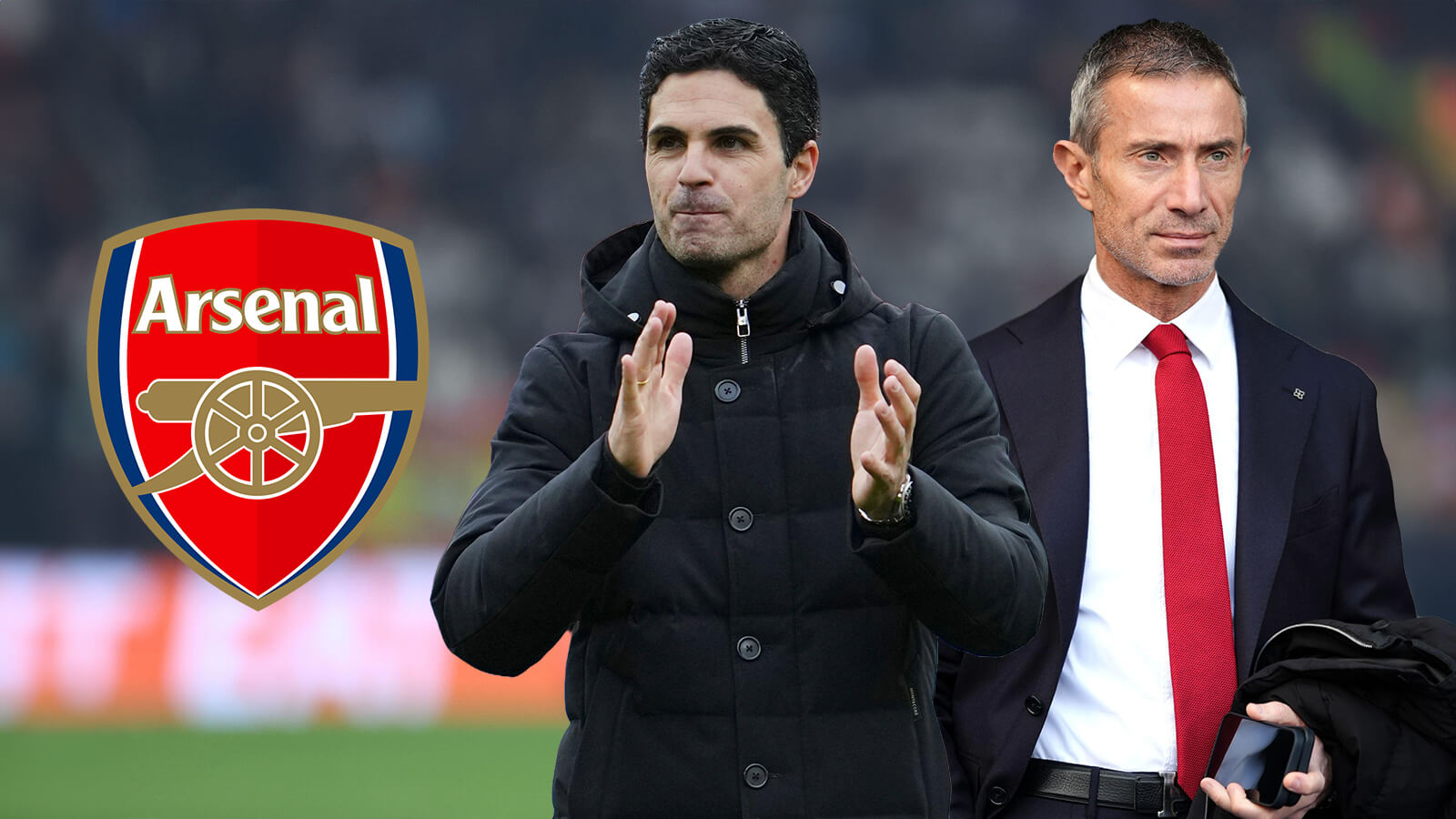
Arsenal's impending spending spree as newly crowned Premier League champions risks repeating the transfer market catastrophes that have plagued their rivals down the years. With David Ornstein suggesting the Gunners could match or surpass last summer's record-breaking outlay, the question becomes whether they'll learn from history's most glaring examples of title-winning clubs throwing money at the wrong players.
The blueprint for failure is well-established. When Antonio Conte's Chelsea spent nearly £240m in their title-winning summer, the hit rate was woeful. Nine significant acquisitions yielded precious little of lasting value, a masterclass in how to squander resources from a position of apparent strength.
A Goalkeeper's False Start
Mark Bosnich's arrival at Manchester United represented the nadir of their search for Peter Schmeichel's successor. Despite having months to plan after the Dane's November 1998 announcement, the club opted to bring back Bosnich on a free transfer from Aston Villa. His tenure began inauspiciously—he showed up to his first session overweight and three hours late, setting a tone that never improved. His struggles eventually necessitated the arrival of Massimo Taibi, whose own brief nightmare at Old Trafford has overshadowed Bosnich's claims to being United's worst ever signing.
The Chelsea Catastrophe
Conte himself acknowledged his weakness in the transfer market, describing himself as "a bit of a disaster" at persuading the club to back his targets. Yet that championship season suggested otherwise—the problem wasn't persuasion but selection. Davide Zappacosta epitomised the wastefulness, a player whose 52 appearances yielded barely a memorable moment despite including a Europa League final cameo against Arsenal in 2019.
The defensive recruitment proved equally questionable. Papy Djilobodji's Chelsea career lasted 59 seconds of League Cup action before he was jettisoned and omitted from the Champions League squad the day after signing. Jose Mourinho distanced himself from the £2.7m signing, claiming it wasn't his choice but that of someone he trusted completely. Chelsea's decision-making was vindicated only when Sunderland tripled their money eight months later.
Michael Hector followed a similar trajectory, arriving as an alternative when four low bids for John Stones failed to tempt Everton. Loaned back to Reading immediately, he endured four separate loan spells while contracted to Chelsea, never playing a single competitive match for the club.
The Manchester City Miscalculations
Eliaquim Mangala's Manchester City adventure proved the perils of expensive defensive recruitment. His fee sat somewhere between £31m and £41m depending on how split ownership was calculated—a telling sign of a murky deal. Pep Guardiola showed little faith in the Frenchman, relegating him to occasional minutes before a loan to Everton. The club's decision to extend his contract in March 2019 to preserve value for a player who departed for Valencia on a free transfer five months later remains a monument to futility.
Jack Rodwell holds the dubious distinction of being Manchester City's first signing as modern champions and among their most expensive that summer. His observation that he should have been told to seek playing time rather than sign immediately captures the absurdity of the arrangement—two mutually exclusive options somehow pursued simultaneously.
Kalvin Phillips represents perhaps the most comprehensive ruination of a player's career. A 23-cap England international and European Championship performer, he arrived as a highly-rated midfielder for £42m plus add-ons. Guardiola deemed him incapable of mastering the Rodri role, and public comments about his weight hardly helped matters. Subsequent loans to increasingly lower-tier clubs have failed to salvage his reputation. With two years remaining on his Etihad contract, Phillips has started more Premier League games for West Ham, Ipswich, and Sheffield United than he has for City itself.
The Midfield Misfires
Danny Drinkwater's Chelsea tenure became a cautionary tale of poor judgment compounded by personal difficulties. The midfielder signed a five-year deal in summer 2017 but hadn't featured since March 2018 beyond a half-hour Community Shield appearance. Injury, tactical unsuitability to Maurizio Sarri's system, a drink-driving ban, and a nightclub altercation all contributed to his downfall. Loans at Burnley, Aston Villa, Kasimpasa, and Reading proved fruitless, with the Villa spell particularly damaging after he headbutted teammate Jota in training. All told, Drinkwater cost Chelsea roughly £50m for 23 appearances and 12 starts—a transaction he himself described as "a shambles."
The Striker Struggles
Andriy Shevchenko's £30.8m transfer in summer 2006 made him one of the priciest signings in Premier League history when adjusted for inflation. Yet his time at Chelsea became a casualty of the Mourinho-Abramovich power struggle, leaving him broken and diminished. He departed with as many Premier League goals as Titi Camara despite playing four additional matches.
Ahmed Musa's Leicester arrival following their title triumph proved similarly underwhelming. Comparing himself to Jamie Vardy, the Nigerian managed just 33 appearances in 18 months before being shipped out on loan and eventually sold at a loss. His fellow summer signings Nampalys Mendy and Islam Slimani fared little better.
As Arsenal prepare their spending plans, these examples serve as stark reminders that championship status provides no immunity from transfer market incompetence. The three areas they wish to strengthen could easily become next season's cautionary tales if recruitment is handled carelessly.
Compare options