The World Cup Has Become a Billionaires' Club: How FIFA Killed the Tournament for Working-Class Fans

The Death of the People's Game
The World Cup as we knew it is dead. That's the verdict from one long-suffering correspondent who's watched the tournament evolve from a festival accessible to ordinary fans into an elite playground for the obscenely rich.
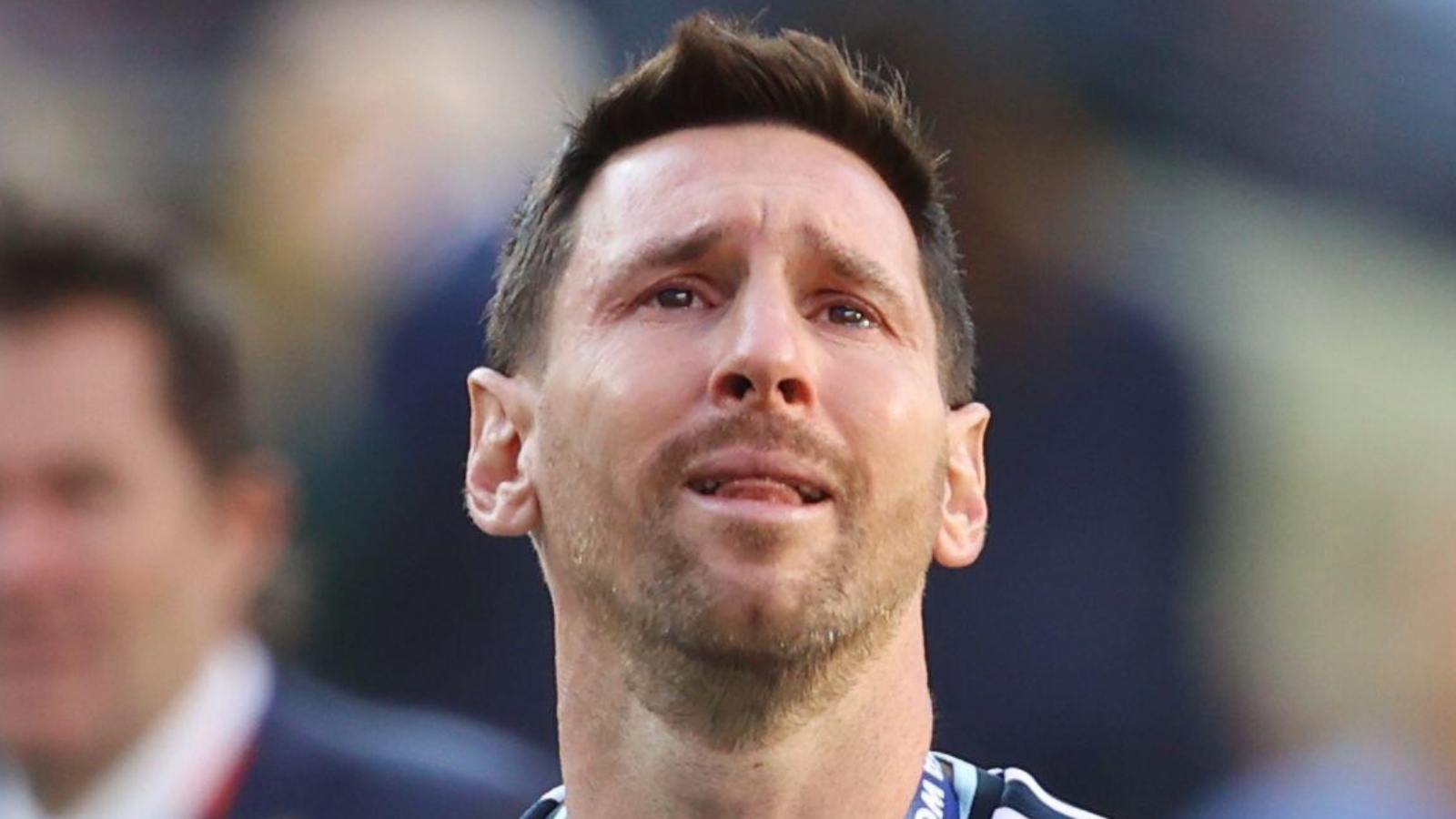
Revisiting Italia 90 through a modern lens proved illuminating. Yes, the football itself was generally dreadful, but the vibe was unmistakable—Gazza's tears, Platt's volley, Nessun Dorma. What made it special, our writer argues, was that it represented the last true "tournament for the people" before modern capitalism tightened its stranglehold on sport. The 1980s terrace culture reflected working-class frustrations of the Thatcher era. Football wasn't monetised. Fans could actually afford to attend without remortgaging their homes.
The last genuinely authentic World Cup? Brazil 2014—though even that tournament was crippled by FIFA's financial demands on the host nation.
Since then, it's been a catalogue of regret. 2018 saw a "war-mongering megalomaniac" in charge. 2022 brought a dictatorship built on migrant deaths. 2026 will feature another warmongering state. 2030 promises an environmentally destructive multi-continent circus. 2034 returns to another human-rights catastrophe.
The result? The World Cup has become a competition exclusively for the super-wealthy in despotic nations with no football heritage, hosting purely for sports-washing and profit. Working-class supporters—the ones who dreamed of attending—have been priced out entirely. This mirrors the domestic situation where Premier League monetisation has similarly excluded ordinary fans from supporting their clubs.
FIFA, watching their power wane, is desperately expanding the World Club Cup as compensation. The club game is increasingly where the real power lies.
England's World Cup Puzzle
With Gareth Southgate's tenure now bizarrely rebranded as a "national embarrassment" despite three successful quarter-finals, what should expectations be under Thomas Tuchel?
The default target remains the quarter-finals, but with arguably the finest manager-to-squad combination in living memory, shouldn't England aim higher? Yet reality bites: are England genuinely one of the four best teams? No. Have they solved the summer football problem? Also no. That defensive shambles against Japan in spring—Burn and Maguire launched from the "Mark Wright cannon"—lingers uncomfortably.
One pressing question: which Black player has the tabloids lined up as their scapegoat this tournament? Is it Bellingham for the foreseeable, or could we be due a "Beckham year" of manufactured outrage?
Which Premier League Clubs Will Take the Hit?
Manchester City and Arsenal lead the list of World Cup attendees, but the real question is minutes played versus minutes to be played at both club and international level.
The pick for "most affected" club? Aston Villa. They've endured a gruelling season with limited squad depth, Champions League football awaits next term, and their World Cup contingent—Digne, Konsa, Martinez, McGinn, Watkins, Tielemans, and Onana—are likely to rack up serious tournament minutes. Belgium should comfortably progress through their group and beyond, while Villa's squad is older than most competitors and less equipped to handle the cumulative fatigue.
The xG Debate: Numbers Don't Lie
One writer's statistical analysis demolishes the "xG is meaningless" argument. Running expected league positions based on xG minus expected goals against across six Premier League seasons yields remarkable accuracy: 55 out of 72 predictions for top-six and bottom-six positions proved correct—a 75% hit rate.
Position variance averaged just 2.4 places across six seasons. In 2021-22, xG even predicted the top five's exact finishing order. Yes, outliers exist—Brighton's 2020-21 collapse, Brentford's 2023-24 nosedive, this season's wild swings with Sunderland and Villa—but that's precisely why statistics matter: they're usually pretty damn accurate.
The Arsenal Noise Machine
One correspondent's attempt at reasonable debate with an Arsenal-supporting colleague revealed how completely some fans have been colonised by online discourse. After a straightforward defeat where Arsenal managed <30% possession and one shot on target, the conversation spiralled into circular complaints about refereeing, the strength of the Premier League, and "everyone wanting Arsenal to lose."
The kernel of truth? Arsenal's fine-margins approach invites mental fatigue. With a billion-pound squad assembled specifically to handle seasonal attrition, perhaps going for the throat earlier and more often would reduce the psychological burden. But try suggesting that to a fan living entirely rent-free in the heads of rival supporters' critics.
Pedant's Corner
A recent correspondent claimed Robert Fleck inspired childhood games by watching Norwich compete against European giants. Slight problem: Fleck never played European football for Norwich. In 30 years, this writer will likely have forgotten how dreadful Arsenal were in 2025-26, instead regaling grandchildren about pretending to be Marouane Chamakh in the garden.
Compare options