New York and New Jersey Launch Ticketing Investigation Into FIFA Over 2026 World Cup Seat Complaints
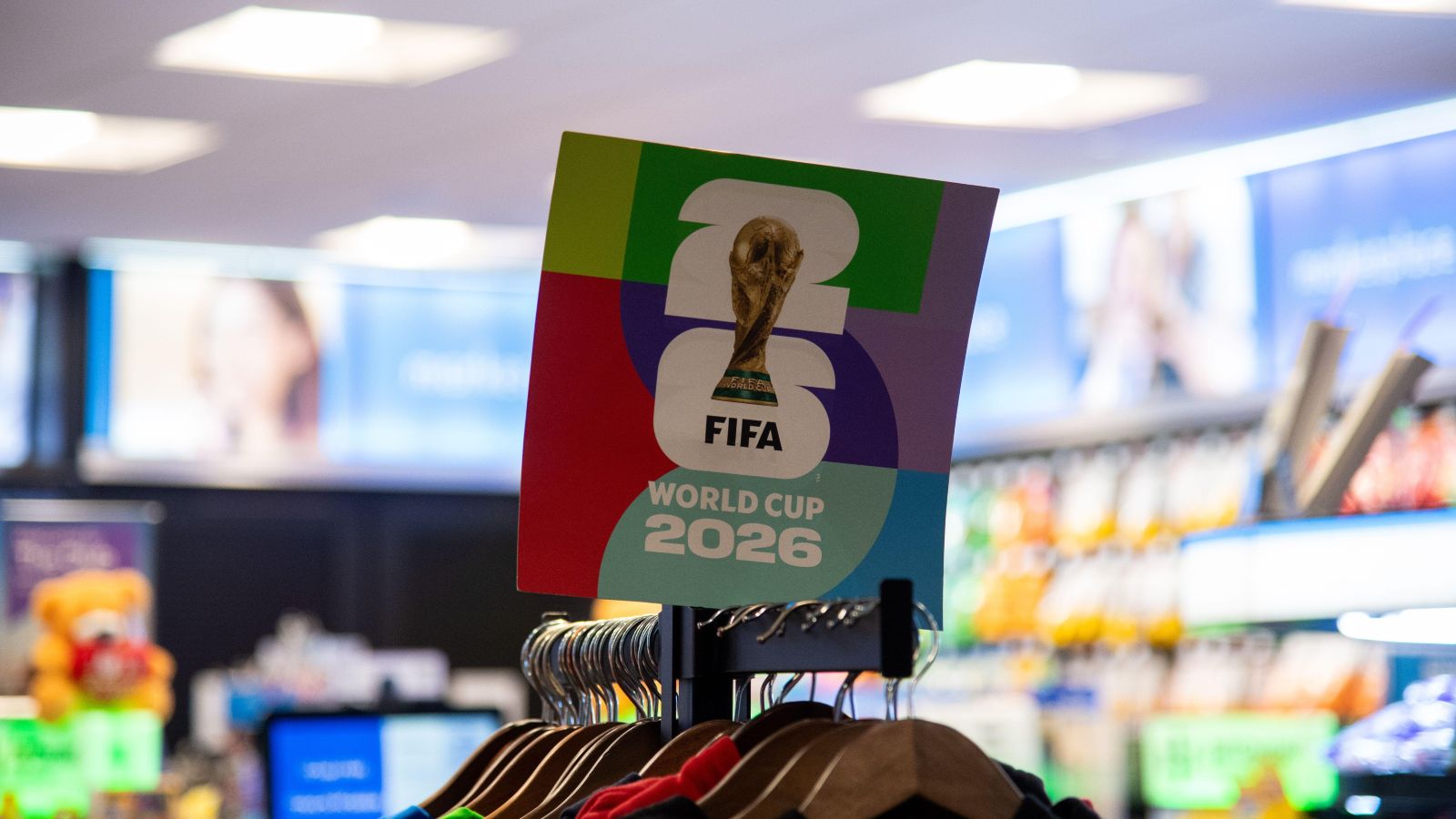
The attorneys general of New York and New Jersey have turned up the heat on FIFA, issuing subpoenas over the soccer governing body's ticketing arrangements for the 2026 World Cup. The move, announced on Wednesday by New York AG Letitia James and New Jersey AG Jennifer Davenport, follows media reports highlighting concerns about fan experience regarding seating allocations.
The investigation focuses specifically on ticketing practices for the eight World Cup matches scheduled in New Jersey, with particular attention to the July 19 final. The core complaint: supporters who paid for premium Category 1 seats—those prime real estate closest to the pitch—have instead found themselves assigned to less desirable Category 2 locations further back in the stadium.
"What they're looking to find out now is if there's a basis to bring those charges," explained Jodi Balsam, a clinical law professor at Brooklyn Law School. The subpoenas themselves represent an information-gathering exercise rather than any formal accusations of wrongdoing, Balsam noted, though the implication is clear: the attorneys general are building a case.
The allegations paint a picture of consumer deception. Fans selected and paid for specific seating categories only to receive inferior alternatives. "It's a breach of trust and can result in a variety of penalties for the offenders," Balsam observed, adding that potential remedies could include refunds or mandatory changes to ticketing procedures.
FIFA's deployment of dynamic pricing—a system allowing ticket costs to fluctuate based on demand, inventory, and event popularity—has proven particularly controversial. While such pricing mechanisms are legal, transparency requirements are non-negotiable. "It can be considered deceptive if consumers were led to believe that they were purchasing prices in a category at a certain price and only afterwards, the price changed," Balsam cautioned.
The backlash over exorbitant pricing has been relentless. FIFA eventually introduced a limited allocation of $60 tickets, though these are positioned in the upper corners of stadiums. In March, dozens of U.S. lawmakers formally requested that FIFA slash ticket prices, condemning dynamic pricing as an exclusionary practice that prices ordinary supporters out of the tournament.
Should civil consumer-protection charges proceed, the consequences for FIFA could be substantial. "FIFA is potentially going to be liable for violation of civil laws," Balsam said. "FIFA could also be subject to fines. They might also be required to change some of their ticketing practices."
FIFA declined to comment on the investigation.
The 2026 World Cup kicks off on June 11 across the United States, Canada, and Mexico. The state-level investigation arrives as federal prosecutors have deprioritised certain FIFA-related corruption matters. On Wednesday, a federal judge in Brooklyn dismissed charges against former 21st Century Fox executive Hernan Lopez and Argentine sports media company Full Play after the Justice Department withdrew its pursuit of the case. The pair had faced accusations of involvement in bribery schemes connected to media and broadcast rights for major soccer tournaments.
Balsam emphasised that this federal retreat doesn't diminish the historical record. "That doesn't change the fact that we have now a decade's worth of legal records establishing this corruption and convicting over 30 executives," he said. State authorities, he noted, are stepping into the gap left by shifting federal priorities, a pattern that has played out repeatedly across American law enforcement.
Compare options