2026 World Cup's Hidden Threat: Can Wildfire Smoke Derail North America's Tournament?
When most people discuss environmental risks hanging over the 2026 World Cup, the conversation naturally turns to heat. The tournament unfolds across North America in the depths of summer, and concerns about blistering temperatures already dominate debates about player welfare and fan safety.
Yet lurking beneath the obvious threat lies a far more insidious problem: smoke.
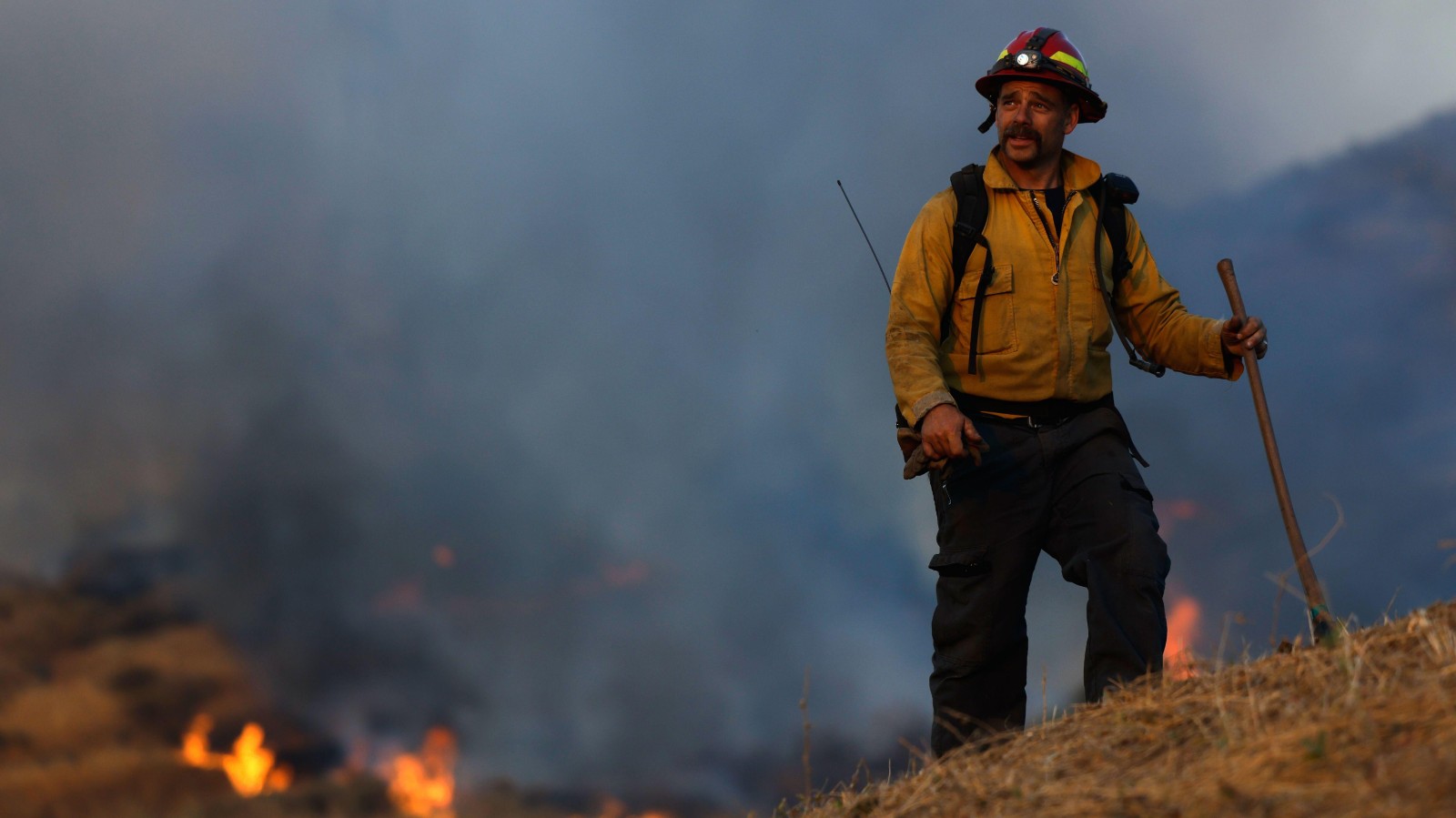
Across swathes of North America, particularly California, wildfires have become an increasingly routine occurrence. While flames may rage hundreds of miles distant from any stadium, the smoke they generate travels with alarming ease, depositing hazardous air quality across vast territories.
For tournament organisers, players and supporters descending on football's biggest ever World Cup, the question becomes unavoidable: what unfolds if a significant wildfire ignites during the competition?
The relevance of this scenario sharpens by the day. In a new five-part documentary series called Route '26: Losing Sight of Goal, creator Alex Moneypenny spoke to those already grappling with the fallout.
"In Los Angeles, we encountered a woman called Sarah who had her home destroyed during the Palisades wildfires. She led us to the workplace that had burned down, then to the locations where her family had lived. Standing amid the devastation, she described how the fires spread and their likelihood of recurring. When I asked if she anticipated another wildfire affecting the region, her response was straightforward: 'Yes, definitely.'"
This fatalistic outlook reflects a troubling trend. California experienced roughly six major wildfires annually back in 1994, when the USA last hosted the World Cup. By last year, that number had climbed to approximately 15.6. The total acreage consumed has more than doubled across three decades, whilst some scientists now speak of entering an age of "mega-fires".
Climate change bears significant responsibility, according to research. Experts have established that human-driven warming has substantially amplified wildfire frequency in California and will likely continue accelerating this pattern.
For football, however, the real peril doesn't necessarily emanate from the flames themselves. Rather, it emerges from what follows.
Environmental analysis has branded the World Cup "one wildfire away from an air quality disaster". The danger stems from wildfire smoke's capacity to affect regions far removed from the actual fire zone, appearing swiftly depending on prevailing winds.
The particulate matter in smoke—specifically PM2.5—penetrates deep into lungs and the bloodstream. Health consequences include respiratory and cardiovascular damage, especially when people exert themselves physically.
Elite footballers performing at peak intensity face obvious dangers. Supporters spending entire days outdoors moving between fan zones, transport links and grounds face equally genuine risks.
North American sports have already confronted this reality. During Canada's devastating wildfire season in 2023, smoke blanketed enormous portions of the continent, disrupting professional competitions hundreds of miles from the actual fires.
This scenario carries particular weight given the 2026 tournament's scale. The World Cup is projected to generate roughly nine million tonnes of CO₂ equivalent emissions, making it the most carbon-heavy World Cup ever staged—nearly double the typical footprint of tournaments held between 2010 and 2022. The expansion to 48 teams and the expansive distances separating host cities account for much of this.
A single tournament's emissions won't determine whether California experiences a wildfire next month or next year. However, the World Cup arrives precisely when scientists increasingly attribute rising global temperatures to intensified wildfire conditions across North American regions. Against this backdrop sits an uncomfortable reality: football's largest and most environmentally damaging tournament potentially unfolding amid escalating wildfire danger.
From a supporter's perspective, the practical implications matter most. A serious smoke episode could disrupt travel arrangements, outdoor fan celebrations and the straightforward experience of spending hours outside surrounding matches. The World Cup's environmental narrative therefore extends beyond emissions calculations or sustainability pledges; it becomes the air that spectators actually breathe.
For many supporters, these concerns might seem distant. Understanding the genuine hazards becomes simpler by looking domestically.
Britain witnessed extraordinary urban wildfires during the exceptional heatwave of 2022, notably across and near London. Public health specialists flagged respiratory and cardiovascular dangers stemming from smoke exposure. Previous analysis of the Saddleworth Moor fires suggested that smoke-related pollution reached millions of residents and potentially raised air-pollution-linked mortality significantly.
The same mechanisms driving heightened wildfire risk in California are anticipated to increase wildfire threat in Britain. Met Office forecasts indicate that a two-degree temperature increase could double the quantity of days experiencing very high fire danger throughout the UK and substantially expand the wildfire season's length.
Wildfires therefore represent no mere Californian issue. They constitute an increasingly global phenomenon that football cannot circumvent.
Nobody can predict with certainty whether a major fire will impact the 2026 World Cup. It might not materialise at all. Yet the odds are substantially higher than they were a generation ago, and the potential repercussions loom large.
Three decades ago, wildfire smoke never factored into World Cup planning deliberations. Currently, it ranks alongside extreme heat, flooding and violent weather amongst the hazards threatening elite sport.
The primary challenge facing football in 2026 might still emerge from an attacking midfielder's finishing, a questionable official's whistle or a skied penalty.
But somewhere beyond the stadium perimeter, another menace waits: a wildfire burning remotely, dispersing smoke skyward and converting air quality into the tournament's most unpredictable adversary.
Compare options