Seven Dark Horses Eyeing Glory at the 2026 World Cup
The tournament kicks off in just days, and with it comes the annual ritual of identifying which outsiders might just pull off something special. History suggests most will stumble early, but that won't stop us from weighing up the contenders most likely to spring a surprise.
Here's our ranking of seven sides capable of upsetting the established order in North America.
7) Uruguay
Bielsa's farewell tour could yet prove memorable. The 70-year-old has spent three years transforming Uruguay into a relentless pressing outfit modelled on his Leeds blueprint, though their qualifying campaign told a different story – just one win in 12 matches left them finishing fourth.
With Luis Suarez departed, Federico Valverde carries the weight of this "run until collapse" system. The heat and humidity of North America shouldn't trouble a South American side, though Bielsa's demanding approach could leave legs heavy if the group stage turns into a war of attrition.
Up front, there's genuine concern. The current generation of strikers sits well below the standard set by Suarez and Edinson Cavani. Darwin Nunez, having relocated to Saudi Arabia, hasn't convinced and has seen his contract terminated – hardly the kind of clinical finisher you'd want if chances dry up.
Facing Spain in their group, second place represents realistic ambition. That path likely leads to Argentina in the knockout stages. The referee will need nerves of steel for that encounter.
6) Croatia
Calling them dark horses feels harsh given their third-place finish in 2022 and 2018 final appearance, yet Father Time has caught up with this ageing squad.
Luka Modric, approaching 200 caps, has turned 40 and reportedly intends to retire after this summer. Ivan Perisic, at 37, remains part of the furniture. Their leading striker will probably be 34-year-old Ante Budimir.
Premier League reinforcements arrive in Josko Gvardiol and Mateo Kovacic, though injury concerns cloud both arrivals. Defensively solid, the real question mark hangs over where goals materialise.
5) Turkey
A perpetual Euros dark horse, Turkey return to the World Cup stage for the first time since 2002 with sufficient firepower to cause trouble.
Real Madrid's Arda Guler and Juventus' Kenan Yildiz represent the youthful contingent – neither was born when their nation last qualified – complemented by the experience of Hakan Calhanoglu.
Their group looks manageable: a US side burdened by expectation and Paraguay, who failed to convince in qualifying. Topping the section opens the door to Austria in the round of 32, likely followed by Belgium in the knockout stages – another traditional dark horse opponent.
4) Morocco
The 2022 surprise package could easily reprise that role. Arsenal supporters will recognise the blueprint: defensive discipline married to set-piece threat.
Morocco kept five clean sheets at this year's AFCON – a tournament record – whilst converting four goals from dead balls. Achraf Hakimi supplies the star power from PSG, with Brahim Diaz adding attacking thrust.
They won't win over the neutrals through attractive football, but Mikel Arteta's side proved such pragmatism works. A path through the tournament runs via low blocks and tight margins.
3) Norway
Absent from the World Cup since 1998, Norway rarely merit dark horse consideration – yet whisper it: they're enjoying a golden generation.
Erling Haaland, arguably the world's premier striker, leads the charge. Norway's qualifying campaign underlined their attacking threat: 37 goals scored, just five conceded. Replicating that form matters, though sharing a group with France tempers expectations.
Second place opens a round-of-32 tie against Ecuador – a matchup they'd back themselves to win.
2) Colombia
Colombia's aesthetic kit choices aside, they've earned the dark horse label despite recent form failing to justify it.
Their quarter-final run in 2014, spearheaded by James Rodriguez, promised much. Instead came last-16 elimination in 2018 and qualification failure in 2022. This time's qualifying proved equally unconvincing: they finished 10 points adrift of Argentina and conceded more than any other automatic CONMEBOL qualifier.
Defensively fragile, they compensate with attacking verve. Luis Diaz has elevated his game considerably since moving from Merseyside to Bavaria, finishing qualifying behind only Lionel Messi for goals. Luis Suarez chipped in with four qualifying strikes and 28 for Sporting this season. Even James Rodriguez, now plying his trade in MLS, delivered seven assists.
Grouped with Portugal – potentially weighed down by Cristiano Ronaldo's presence – Colombia fancy second at minimum. That could set up a round-of-32 reunion between Diaz and Mohamed Salah.
1) Japan
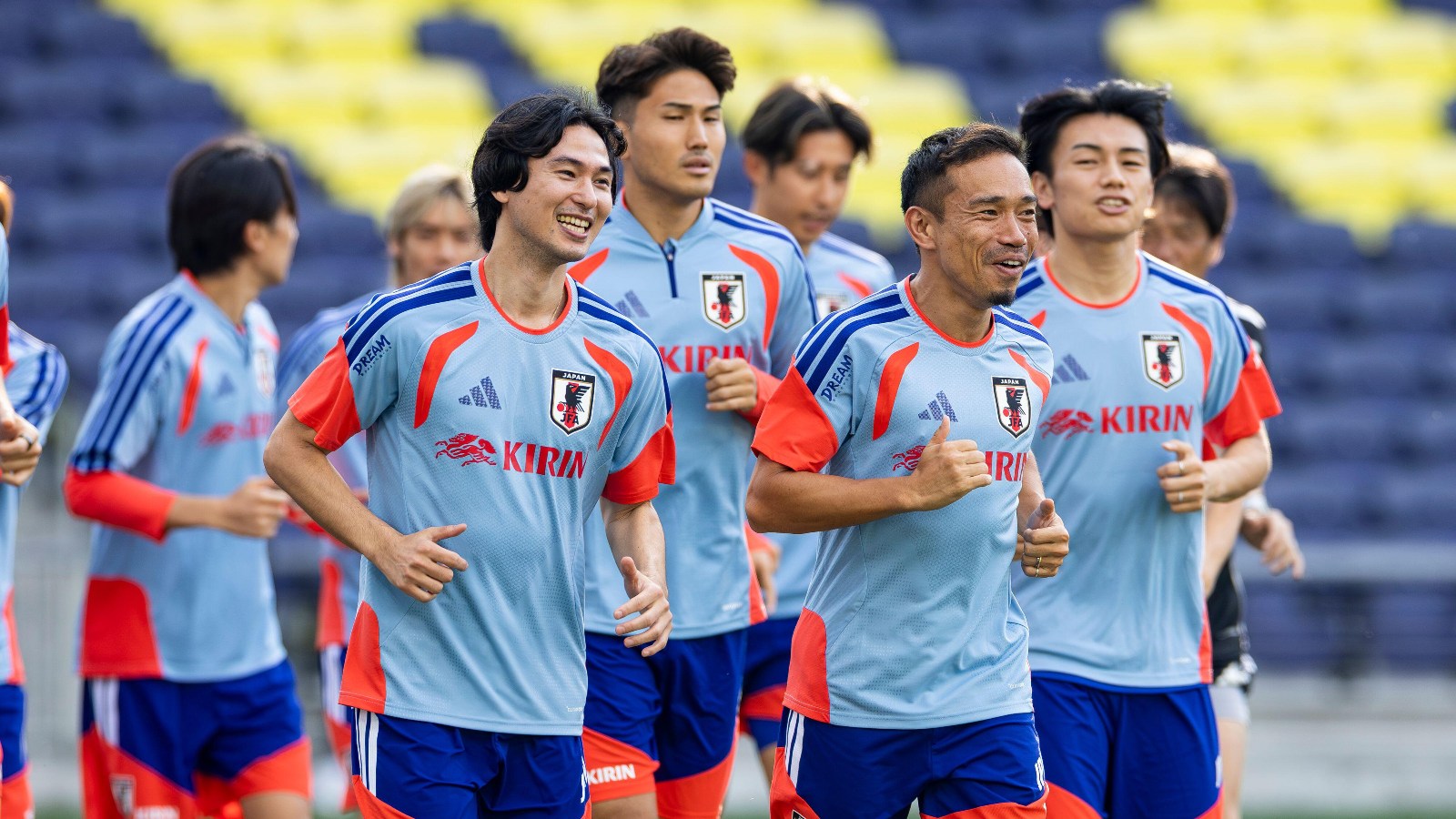
Hailed as the finest Asian representatives ever to grace a World Cup, Japan arrive with genuine technical sophistication throughout.
Kaoru Mitoma's injury loss stings, though Takefusa Kubo and Kaishu Sano fill the void admirably. This squad lost just once across 16 qualifying matches and underlined their credentials by defeating England at Wembley in a friendly.
Never having advanced past the round of 16, they've engineered a realistic opportunity to change that narrative. First comes topping a group containing the Netherlands, Sweden and Tunisia – a tall order, but beating that group means facing Morocco rather than Brazil in the round of 32.
Progress from there likely pitches them against Bosnia, where Japan would fancy their chances. A quarter-final against Germany or France would probably mark their tournament's end, yet reaching that stage would constitute genuine success.
Compare options