Double Standards: Why Thomas Frank Enjoys Media Shield Ange Postecoglou Never Received
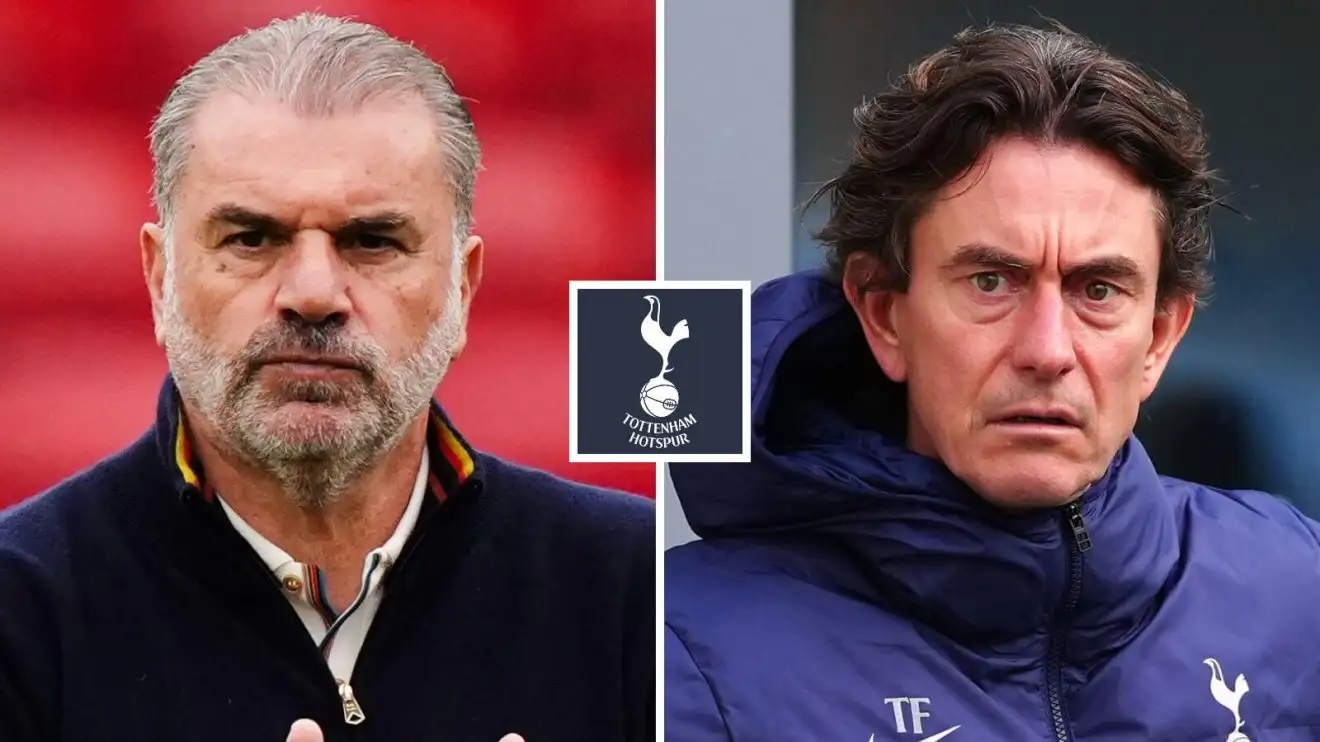
Henry Winter's tweets tell quite the story. Last April, as Ange Postecoglou's Spurs crashed to another defeat against a Big Six rival, the respected columnist declared the Australian had lost the plot entirely—no identity, no unity, no attacking threat, players in meltdown. This weekend, after Thomas Frank's side suffered an identical outcome against comparable opposition, Winter's framing shifted dramatically. Suddenly the manager's hands were tied: Romero suspended for four games, Udogie injured, Maddison absent, Kulusevski unavailable, Kudus sidelined, Porro out, Richarlison missing, Bentancur gone. The excuses, it seems, depend entirely on who's in the dugout.
The pattern is unmistakable. The English football media has constructed an entirely different narrative for Frank than it ever permitted Postecoglou. The very explanations dismissed contemptuously when the Australian offered them are now wheeled out as cast-iron justifications for his successor. Frank is receiving what can only be described as full British manager privileges—the sort of protective coverage normally reserved for homegrown talent, not a Continental coach who's somehow earned preferential treatment by being polite in press conferences rather than provocative.
Perhaps it's simply that Frank has been embedded in English football long enough. Or perhaps the media contingent convinced themselves Frank was superior to Postecoglou and now lacks the stomach to admit they were wrong. Yet they had no such reservations about turning on Postecoglou when his spell unraveled, even after initially embracing his appointment. When the Australian mocked his own supporters following a goal that VAR subsequently erased against Chelsea—a moment of genuine managerial self-sabotage—the criticism was swift and merciless.
The irony cuts deeper still. Postecoglou's failures were understood as failures of philosophy and execution, even by his detractors. Supporters grasped what he was attempting, whether they endorsed it or not. Many still backed him despite their frustration. By contrast, almost no Spurs supporter now genuinely supports Frank. Those clinging to him do so primarily to avoid another managerial carousel, not from conviction. The fanbase has abandoned him far more comprehensively than they ever abandoned Postecoglou—yet somehow this matters less to the media narrative now than it did ten months ago.
The circumstances have shifted in ways that matter considerably. Postecoglou navigated a dreadful league campaign, yes, but Spurs were never genuinely threatened with relegation. After a disappointing 3-2 defeat at Everton in January, they remained eight points clear of the drop zone. By late February, following consecutive victories against Brentford, Ipswich and Manchester United, they'd established a sixteen-point cushion from the bottom three. This breathing room allowed Postecoglou to pivot toward the Europa League with some justification.
Frank's situation is categorically different. His side currently sits just six points clear of the relegation zone—closer to the bottom than Postecoglou's patched-up defence ever ventured, and with a month more of the season already elapsed. Newcastle and Arsenal await imminently. West Ham's resurgence has transformed the landscape entirely. It's entirely plausible Spurs could find themselves level on points with the drop zone at the exact moment Postecoglou was putting lingering doubts to bed.
Postecoglou perhaps bears some responsibility for the mess. By normalizing league defeats to an alarming degree—however valid his underlying reasoning—he created a psychological framework where finishing seventeenth became somehow acceptable, a temporary aberration rather than a catastrophic failure. Frank has exploited this normalisation shamelessly, painting his struggles as continuity rather than the genuinely alarming new low they represent.
Yet even Frank recognizes this defense has worn thin. He's stopped invoking last season's position as justification. As Spurs careen toward that same disastrous standing, the protective shield loses its potency. The difference now is that Frank's league form is worse than Postecoglou's ever was, and the stakes are infinitely higher because genuine relegation danger genuinely exists.
Nobody's constructing a hagiography of Postecoglou here. His Premier League record was dreadful, and he deserves criticism for how comprehensively he abandoned the competition. He's hardly vindicated himself elsewhere. But his failures operated within a coherent strategic framework that ultimately achieved its stated objectives. Frank's failures are simply failures—worse than Postecoglou's league record, serving no wider purpose, advancing no grander plan. Frank is as poor as Postecoglou ever was in the Premier League, except Postecoglou was working toward something. Frank, presumably, is simply doing his best.
If forced to choose between backing either manager through historically dreadful campaigns, it wouldn't be Frank. The media consensus has apparently reached the opposite conclusion, which says rather more about contemporary football journalism than it does about either man's merits.
Compare options