Should Michael Carrick Get the United Job? Mailbox Divided on Interim Boss's Permanent Future
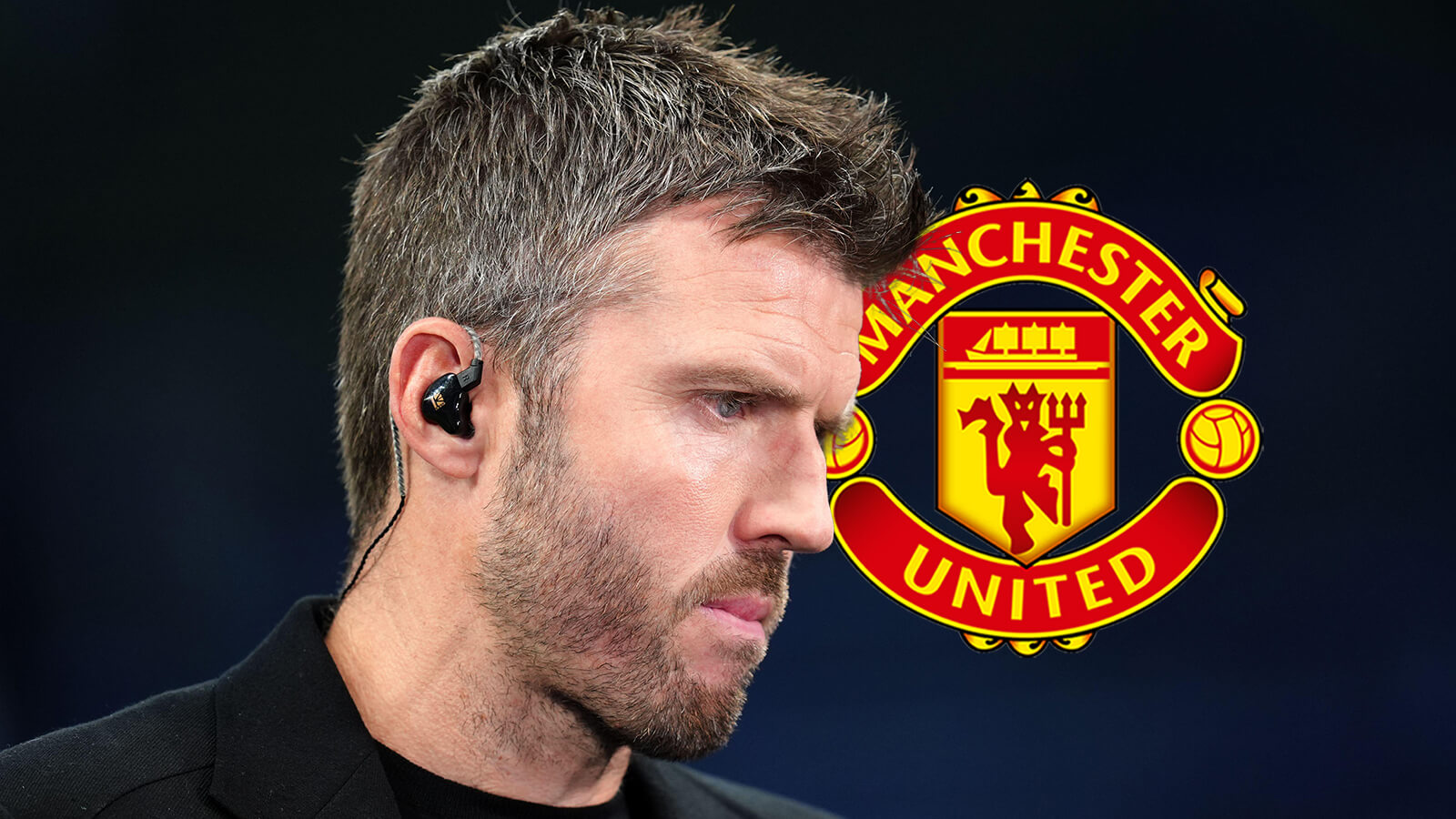
The clamour for Michael Carrick to land the permanent gig at Old Trafford is real enough, but United's fanbase is far from unanimous in backing the move. A fresh Mailbox tackles the question head-on, with plenty more besides. Got thoughts? Send them to [email protected]
Can Carrick Do the Job Long-Term?
Judging the former United legend purely on merit, the answer right now sits somewhere between "possibly not" and "convince me otherwise." It seems counterintuitive given his near-flawless winning record since stepping into the interim role, yet there's a nagging concern worth examining.
Carrick's spell at Middlesbrough offers a cautionary tale. His tactical blueprint was straightforward: dominate possession and funnel attacks through the middle of the pitch. The problem? That's precisely where defending teams pack their bodies thickest. It requires superior attacking talent, immaculate passing sequences, and clever movement to generate space—and even then it's brutally difficult. Opposition managers eventually cottoned on. They'd sit deep, compress the middle, and Boro would lose the ball in dangerous areas before getting picked off on the counter. The frustration grew as Carrick stuck rigidly to his system despite its obvious vulnerabilities becoming apparent.
Fast-forward to United, and early signs suggest the same blueprint is in place. Rondos, quick passing triangles, central attacking patterns—they look aesthetically pleasing, particularly against City, Arsenal, and Tottenham when space naturally opens up. But against sides happy to sit compact—Fulham, West Ham, Everton—the approach becomes predictable. Carrick's deployed identical starting lineups and identical tactical approaches regardless of opposition setup, only introducing Sesko when results looked dodgy.
The real test is whether this represents stubborn inflexibility or merely laying groundwork for something more nuanced. Until there's evidence to suggest tactical adaptability, it's reasonable to assume United will eventually hit the same ceiling Carrick encountered at the Riverside.
That said, in a straight choice between Carrick and most realistic alternatives, he'd still be the pick for many supporters.
Dave, Manchester
The Emotional Shortcut Problem
One New York-based United fan offers a plea: resist the most Manchester United thing imaginable—handing the permanent job to the nice interim bloke who made everyone feel calm for a few months.
Carrick is undoubtedly a proper club man. He speaks sense, backs his players, avoids public spats with officials or referees' relatives. He's basically the substitute teacher everyone enjoys when chaos has gripped the classroom. But permanent appointment would feel like Netflix cancelling a show after finally fixing the lighting, then rebooting it with the same writers responsible for Season 1's problems.
This club has done it before. Ole was vibes. Rangnick was PowerPoint presentations. Ten Hag was Structure™. Now Carrick is Comfort Food Football—warm, familiar, and probably insufficient for building an elite long-term project. Manchester United cannot keep hiring managers the way people rebound-date after breakups: searching for someone nice who listens and already understands the trauma.
Temporary competence isn't elite leadership. A decent caretaker spell shouldn't trigger lifetime employment like some managerial Pokémon evolution.
Success under Carrick right now resembles Ross and Rachel briefly getting along—everyone forgets underlying chaos and suddenly wants permanence. We know how that ends. Someone shouts "we were on a break," and the club needs another five-year rebuild.
United need a manager appointed because he's unquestionably the best strategic choice for the next era—not because the dressing room smiles more and Bruno looks fractionally less like he's arguing with invisible spirits.
Carrick may yet become a top manager. Just perhaps not via the emotional shortcut of nostalgia and relief. This club needs ruthless clarity, not another "go on then" decision made after a decent spring run and some post-match hugs.
Gaptoothfreak, Manchester United, New York
The Debt Question
One correspondent raises the uncomfortable matter of Manchester United's £1.3 billion debt burden. Not the number of immigrants Ratcliffe's pretending to worry about—he's already ahead on that front—but actual pounds.
The curious thing is how financial regulations have been constructed with such precision that Aston Villa must behave like characters from a Charles Dickens novel written by HP Lovecraft, while the Sinister Six spend like they're in Groundhog Day via Brewster's Millions. Convenient, that. A blanket regulation about avoiding nation-sized debt might have proved awkward for certain clubs, so thankfully the blazers left that bit out.
Soon enough someone will explain how £1.3 billion in debt is actually the very soul of Fair Play and sustainable profitability. Let's not hold our breath.
Berrada claiming their "off-pitch transformation"—closing the canteen, sacking 500 low-wage staff—heralds a new dawn feels rich considering money saved there's already been spent three or four times over hiring and firing Ten Hag, Ashworth, and Amorim, plus Antony and an entire goalkeeper collection.
Easy to slap everyone on the back for solving problems when you're allowed to spend enormous time, effort, and money on it, then write everything off and start again when it fails. Proper Financial Fair Play would force Carrick to get a tune from Onana, Zirkzee, Garnacho, Malacia, and Hojlund. As it stands, does the manager even matter? Does recruitment truly affect anything? Just keep spending whatever you want, and eventually the typewriter monkey produces Troilus and Cressida.
Neil Raines
Risk-Aversion Killing the Game
Three things are wrecking English football, according to one correspondent: money (huge money), American owners (content with their own interminably dreadful "football," they've imposed their risk-averse approach), and the resulting sport-second mentality.
Nothing will or can be done because the wolves are already through the door. Expect plenty more smarmy identikit preppy types talking about the game like it's a new Chevy franchise, while the on-pitch product becomes an eye-bleed.
The Skill Question
Top-end football has become bloody rubbish to watch, argues another voice. Faster certainly, but devoid of actual skill. Top athletes run and pass in strictly regimented patterns, endless shuttle runs, with five substitutes ensuring fitness levels never dip. Games are decided by set pieces or ridiculous VAR decisions that consume half the evening and suck the joy out entirely.
Stadium fans are now tourists seeking entertainment—and ready to spend on merchandise—feeling entitled to boo if their team isn't winning at half-time. Scottish football and the EFL deliver actual football: mistakes, worldies, bums deflecting balls in. You can vaguely recognise the level as something you could've done with excuses. You get to know players. But paying £60 to watch Gabriel and Tarko wrestling at a corner, or Brighton endlessly recycling possession? No thanks.
Perhaps when people stop subscribing to Sky and TNT, the money leaves the game and we get our football back.
Dan, London
Nostalgia Isn't Always Accurate
While things do feel worse, people have complained things are deteriorating since time immemorial. Who wouldn't prefer things like they were twenty years ago? We were young—of course they felt better.
There were plenty of dreadful games in 2006, with terrible decisions and performances upsetting everyone, with people claiming football was better before the Premier League. We don't remember Watford's goalless draw with Reading. We remember one shot from range against Everton. In twenty years we'll all complain about whatever top-flight football looks like then. Don't compare today to memories; the past always wins.
Tom, Andover
Arsenal's Corners: Within the Rules
Arsenal absolutely jostle at corners and are very good at it, but jostling at corners didn't originate with them. Every team ever has had set piece routines—direct free kicks, counter-attacks, throws, corners. Brian Mbuemo's wonderful set-piece goal involved Kobbie Mainoo making a back-post to front-post run that caught Tottenham off guard, flicking it to Mbuemo who finished beautifully. That's a corner routine using feet.
What Arsenal does is the same thing using heads. Set piece routines are part of football's fabric and generally aren't illegal.
Arsenal have created corner routines that are genuinely tough to defend. This requires elite delivery—Rice, Saka, and Eze rank among the world's best set-piece takers. It requires players exceptional in the air—Saliba, Merino, and Gabriel are among the world's best at winning headers. They have disruptors like White, Timber, Calafiori, and Jesus causing chaos.
Do they push boundaries? Absolutely. Are they penalised? Frequently. Crucially, do they stay within the laws of the game? Yes, usually. When Rice delivers perfectly, Merino makes that back-to-front run, Saliba flicks it on, Gabriel heads it in, and White causes chaos—all whilst playing within the rules—Arsenal tend to score.
It's like Robben cutting in from the right, Henry from the left, Ronaldo's step-overs one-on-one, Totti reading the goalkeeper from thirty yards. You know what's coming; there's nothing you can do about it. If Arsenal have perfected something, others will copy—with varying success, see Everton.
Arsenal isn't guilty of the allegations. Many saw something disliked two or three seasons ago and haven't updated opinions since. Of all Arsenal's set-piece goals this season, maybe one corner involved goalkeeper interference. Two at most. Go check.
As for Everton? Take that up with Mr. Moyes, not Señor Arteta or Monsieur Jover.
Dale May, Swindon Wengerite
A Simple Corner Solution
Everyone hates the weird eighteen-player orgy-ball inside the six-yard box where every player fouls their marker. Even Arsenal fans hate it. It's impossible to referee that ruck. Who's pulling whom? Who pulled first? Who shoved that guy? Why is the goalie bleeding? Meanwhile there's also a ball and other players to monitor.
For all we criticise referees, there's no way to correctly officiate one of those katamari balls without VAR and five minutes reviewing details. Certainly not by two men in real time.
Referees currently shrug and let it go. This only benefits the attacking team—any fouls they commit are incidental, while defending team fouls become penalties. This incentivises more and more chaos, until we look back on Everton United as quaint, when we still played football.
Here's a simpler suggestion: referees keep shrugging about what happens in the rat-king, but instead of letting whatever happens happen, blow the whistle as the corner's kicked and give the defence a free kick.
The attacking team creates that doom-scrum. Defenders are just where attackers are and mostly follow them around. If the attacking team creates a situation impossible to referee, the referee should end it. They already do when they think they've made a mistake awarding the corner—blowing extremely early to avoid compounding errors. Now do it for the good of the game and themselves.
Attacking teams will adjust, spreading out again. They'll still leave a man on the keeper, still have a big bloke lurking at near or far post, but it won't be sixteen players playing twister. Goals will still be scored.
Do it for long throws too.
Andrew M (on the edge of the 16-yard box), London
Consistency is Key
The most important thing is consistency in refereeing. If something's a foul, it's a foul regardless of location or perpetrator. Yes, the penalty area is higher value, but then simply don't foul. A push is a push. A dive is a dive. Dragging a player by their shirt is a yellow. The five-centimetre offside margin should apply uniformly, not selectively. Delays beyond reasonable margins for set pieces should result in the ball going to the other team.
One fascinating statistic showed time wasted delaying set pieces in the league this season. One team topped the table with 117 minutes wasted at an average of 44 seconds per instance. Throw-in takers walking twenty yards—how is this nonsense allowed?
Also, a fallacy needs clearing: Mainoo finished with 96% pass accuracy while Bruno and Casemiro gave the ball away around 14 times each. Most of those passes were simple ones because he was taking the pressure—indeed, he was the most fouled player while still delivering—laying it back to Casemiro or Bruno to attempt passing. It's odd how some players get misrepresented. By most accounts, he had a decent game, as did Casemiro, who put in good defensive actions despite poor passing. Bruno not so much, though Everton deserve credit for impressive pressing, even if elements went over the top.
Cunha's pass was something special, and Sesko's run and finish provided flashes of CR7. Lammens remains the signing of the season though; no longer worried about the keeper with crosses or shots for the first time in over a decade. That's a feeling worth remembering.
Badwolf
Office References and Thanks
Always enjoy Office (UK) references on these pages, though younger readers probably have to look them up. Used to slip Brentisms, Keenan quotes, and Partridge references into office chat, met by blank stares or mild contempt from the younger crowd.
Happy to see the investigation line pop up in Mediawatch, though shouldn't it have read "Investigation in process?" Get it right!
Taking this opportunity to thank everyone for daily reads and laughs. Some have been big critiques recently, but those half-hours of lunch break spent here cheer me up no end. Thanks!
C, Sunny South
A Note on Public Roles
You're just going to have to accept missing out on high-profile public roles when you've been a massive prick in the past, John.
Finlay
Compare options