Tottenham's £85m Fernandes Deal Makes Sense in Today's Inflated Transfer Market
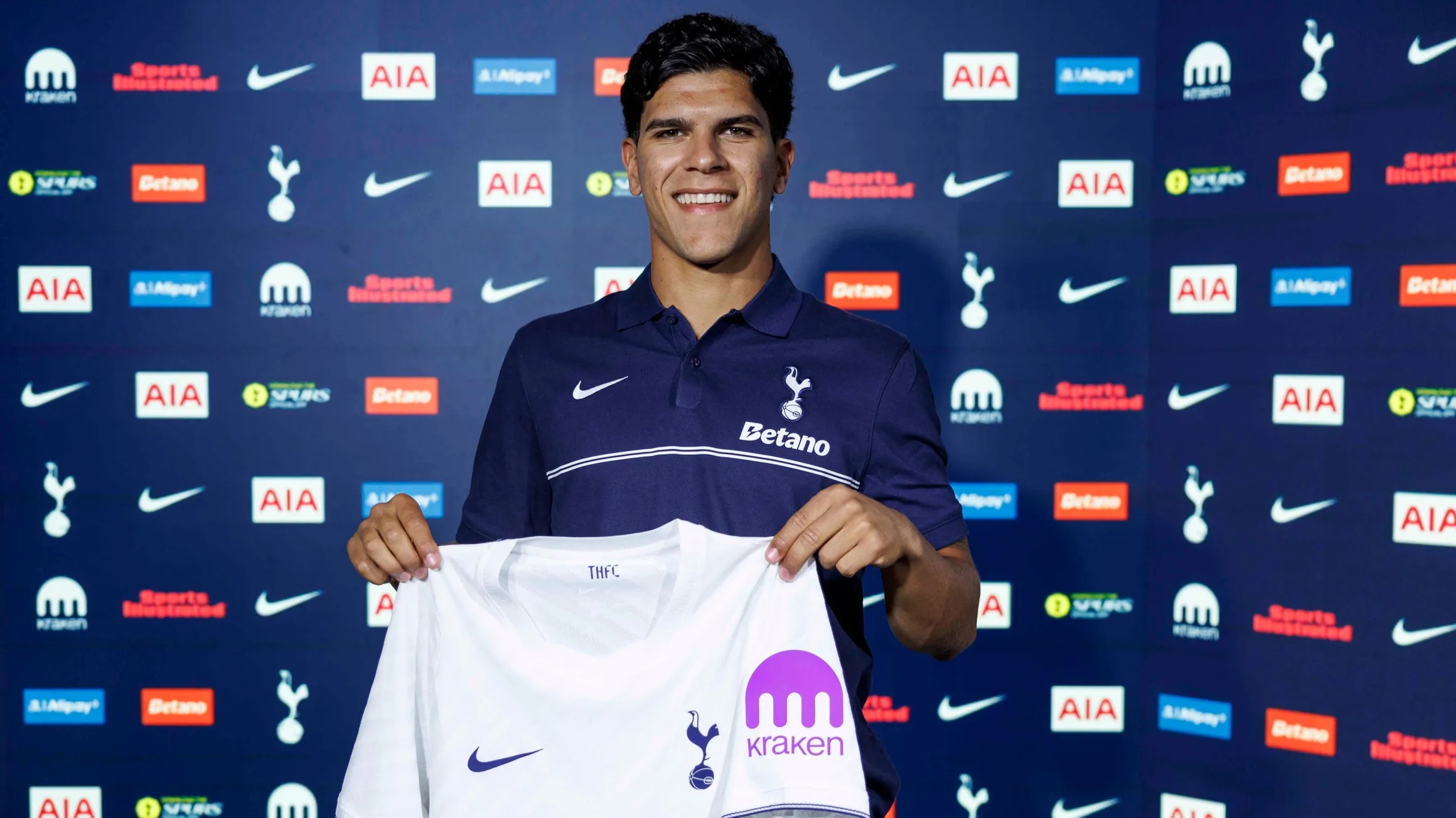
The £85m Spurs have invested in Mateus Fernandes sits comfortably within what it would cost to acquire any of the world's 48 most expensive transfers. Venture further up the market to Elliott Anderson's £116m valuation, and the Brazilian occupies a distinctly modest position.
Everything shifted in summer 2017. When PSG handed Barcelona £200m for Neymar's services, the transfer landscape fundamentally changed. The ceiling exploded. The rules of engagement were rewritten.
What's genuinely noteworthy isn't the Fernandes fee itself, but rather which positions now command such astronomical sums. Historically, goal-scorers cleaned up. Since the millennium, six of seven record-breakers have been forwards—only Zinedine Zidane bucked that trend. Yet the modern elite now includes midfielders. Four of football's 11 priciest acquisitions play centrally; include Jack Grealish and that rises to five.
The shift reflects tactical evolution. The migration from 4-4-2 to 4-2-3-1 has transformed central midfielders from supporting cast into essential infrastructure. Their price tags now mirror that importance.
Consider the precedent. Arsenal's £100m for Declan Rice—roughly £120m accounting for inflation—hardly looks excessive when you examine their title credentials. Remove Rice from that equation and a first championship in two decades becomes considerably less probable. Chelsea's £100m Moises Caicedo has arguably become their standout performer, validating every penny.
Contract length, competition from rival suitors, and age all factor into negotiations. Fernandes ticks every box. At 21, he's got four years remaining on his West Ham arrangement. Manchester United's interest forced West Ham's asking price skyward, enabling them to extract maximum value from Tottenham's greater willingness to pay.
The genuine eyebrow-raiser? Fernandes commanding this fee whilst technically a Championship player. Romeo Lavia previously held the relegated-player record at £53m, yet his underlying numbers pale against Fernandes' West Ham performances.
Elliott Anderson presents identical circumstances. His Nottingham Forest contract extends to 2029, with both Manchester clubs circling. His English passport likely contributed to pushing his valuation past the £100m threshold.
Sandro Tonali operates differently. Two years remain on his Newcastle deal, he's proven at Premier League level, and Newcastle's substantial Anthony Gordon windfall means they're under no pressure to sell.
These figures reflect profound structural shifts in football finance. Premier League clubs now operate at wealth levels unimaginable a decade ago, rendering historical comparisons almost meaningless.
When football finance expert Kieran Maguire adjusted legendary transfers for clubs' actual purchasing power, Alan Shearer's £15m Newcastle move ballooned to approximately £236.9m. Anderson ranks 31st on that adjusted list. Fernandes barely registers.
The market has recalibrated far more dramatically than standard inflation. What once represented a £30m valuation now commands £60m. Our instincts reach for Virgil van Dijk's £75m as a reference point, yet that figure translates to £112m in contemporary terms.
Fernandes, Anderson, and Tonali will ultimately face judgment based on their on-pitch contributions. Yet their transfer fees, whilst eye-watering to the casual observer, represent nothing more than business as usual in the modern Premier League. Even for Tottenham, apparently.
Compare options