Arsenal's Set-Piece Mastery: Why the Criticism Feels Unbalanced
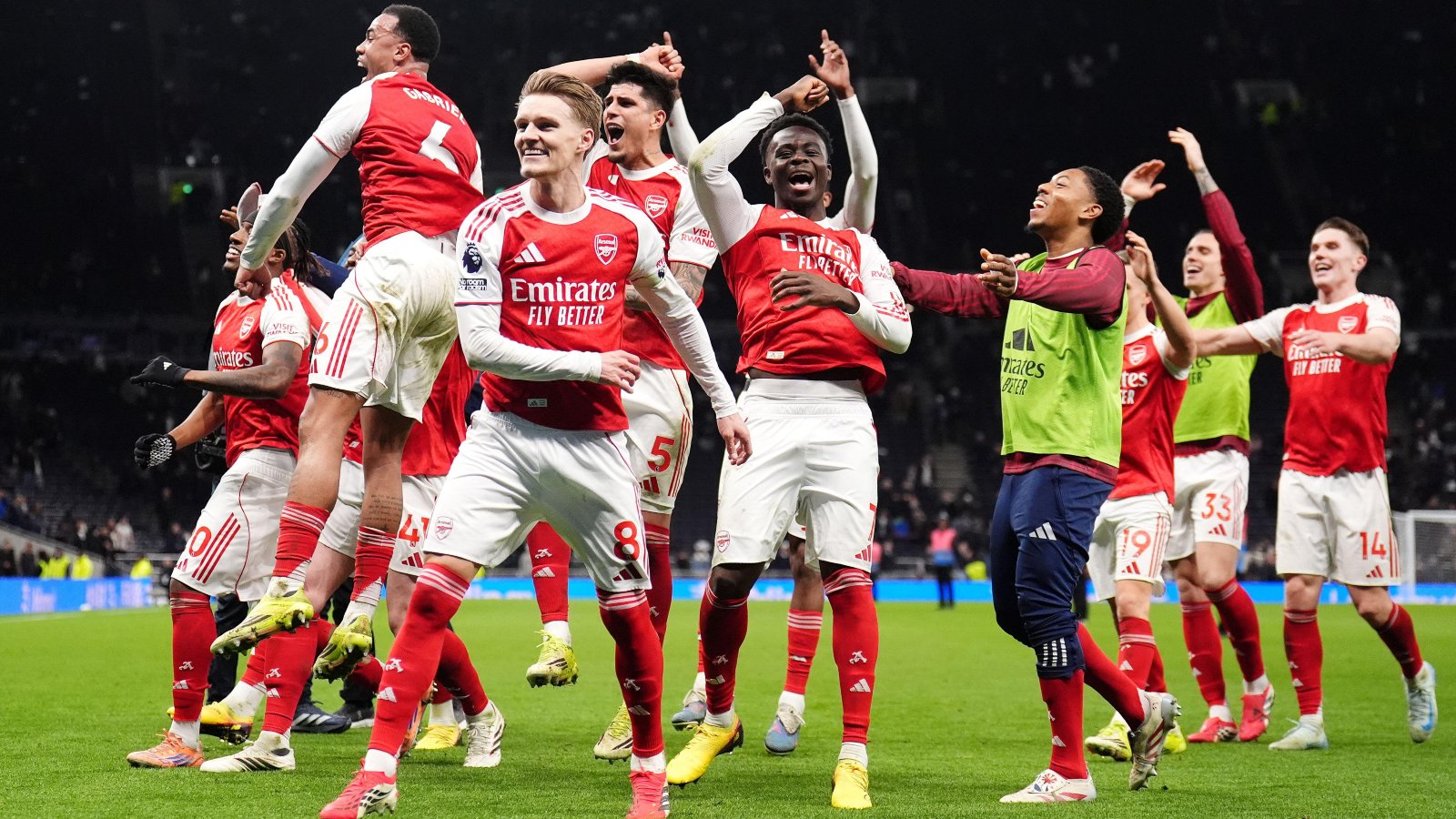
The Arsenal debate has reached fever pitch. Every corner, every goal from a dead-ball situation, and suddenly it's another referendum on whether Mikel Arteta's side are revolutionising football or destroying it. But are they genuinely the villains, or simply the most visible target?
The frustration from Arsenal supporters is palpable. They're tired of being cast as the problem when, by their reckoning, they're merely riding a wave that's swept across the entire Premier League. Set-pieces have become a dominant feature of modern football, yes – but Arsenal didn't invent the concept, and they're certainly not alone in exploiting it.
The Tactical Reality
One persistent observation: while Arsenal may be the most effective from corners, they're not necessarily the most physical. Rewind to recent matches against Chelsea and Brentford, and the picture becomes murkier. Arsenal's goalkeeper has endured considerable rough treatment – arms wrapped around him, bodies pinning him away from the goal – yet the narrative focuses almost exclusively on the Gunners' methods.
The wider context matters too. Every top-six team in the Premier League is winning ugly. Manchester City scraped past Leeds. Manchester United have benefited from VAR decisions. Aston Villa were dismantled by Wolves. Yet Arsenal's victories seem to generate disproportionate outrage, particularly when the alternative – accepting that set-piece mastery is a legitimate tactical skill – appears unpalatable to some.
Analytics and Evolution
The Premier League has analysed itself to exhaustion. Teams are so thoroughly prepared defensively that open-play opportunities have become scarce. Corners represent one of the few moments where attackers can achieve numerical parity against organised defences. Combined with increased physical tolerance across the league, this creates the perfect conditions for set-piece dominance.
The real question: what's the actual problem? Shirt-pulling at corners? Every team does it. Simulation and play-acting? Nearly impossible to legislate consistently. Time-wasting? That's another league-wide phenomenon, not an Arsenal exclusive.
Some have suggested practical solutions – a five or ten-second restart rule, perhaps, turning the game into something resembling a Saturday night gameshow until clubs adapt. But without genuine reform, complaining about Arsenal while ignoring the systemic issues feels hollow.
The Unfair Focus
Arsenal's effectiveness comes largely from misdirection and positioning – getting single players isolated on the ball rather than pure physical dominance. Their defensive record is exceptional: they're the only Premier League side with an expected goals against figure below 1.0 per match. When José Mourinho built defensive masterclasses, he was hailed a genius. When Arteta does it, he's accused of ruining the game.
The contradiction is worth examining. Arsenal have the third-highest expected goals in the league, behind only Manchester United and Liverpool. Yet they're criticised for being boring. Simultaneously, they're accused of being effective through nefarious means rather than superior football. Both narratives can't be true.
Context and Perspective
The Premier League is brutally difficult. Six English teams reached the Champions League last 16 this season. Every club operates with world-class coaching and international players. Every team can press, defend in mid-block, or sit deep. Every squad contains five quality substitutes capable of maintaining intensity. Under such circumstances, champagne football becomes a luxury.
Sunderland demonstrated this perfectly earlier in the season, replacing their entire front line at half-time with fresh, capable attackers. Against such organisation and resources, set-pieces become one of the few reliable methods to create genuine scoring chances.
The Uncomfortable Truth
If Arsenal wins the title playing this way, some observers will be devastated – not because the football was poor, but because their preferred narrative collapsed. The idea that such a "cynical" approach shouldn't be rewarded contradicts the fundamental purpose of professional football: winning matches.
Arteta's job isn't to entertain neutrals. It's to win. And Arsenal are doing exactly that, whilst maintaining a defensive record that would make most managers weep with envy.
The real question isn't whether Arsenal should stop exploiting set-pieces. It's whether we're prepared to acknowledge that every elite team in the Premier League is evolving tactically, and Arsenal simply mastered the current iteration first. Complaining about it whilst ignoring identical behaviour elsewhere looks less like principled criticism and rather more like sour grapes.
Compare options