Arsenal Lead the Club Scoring Charts at 2026 World Cup
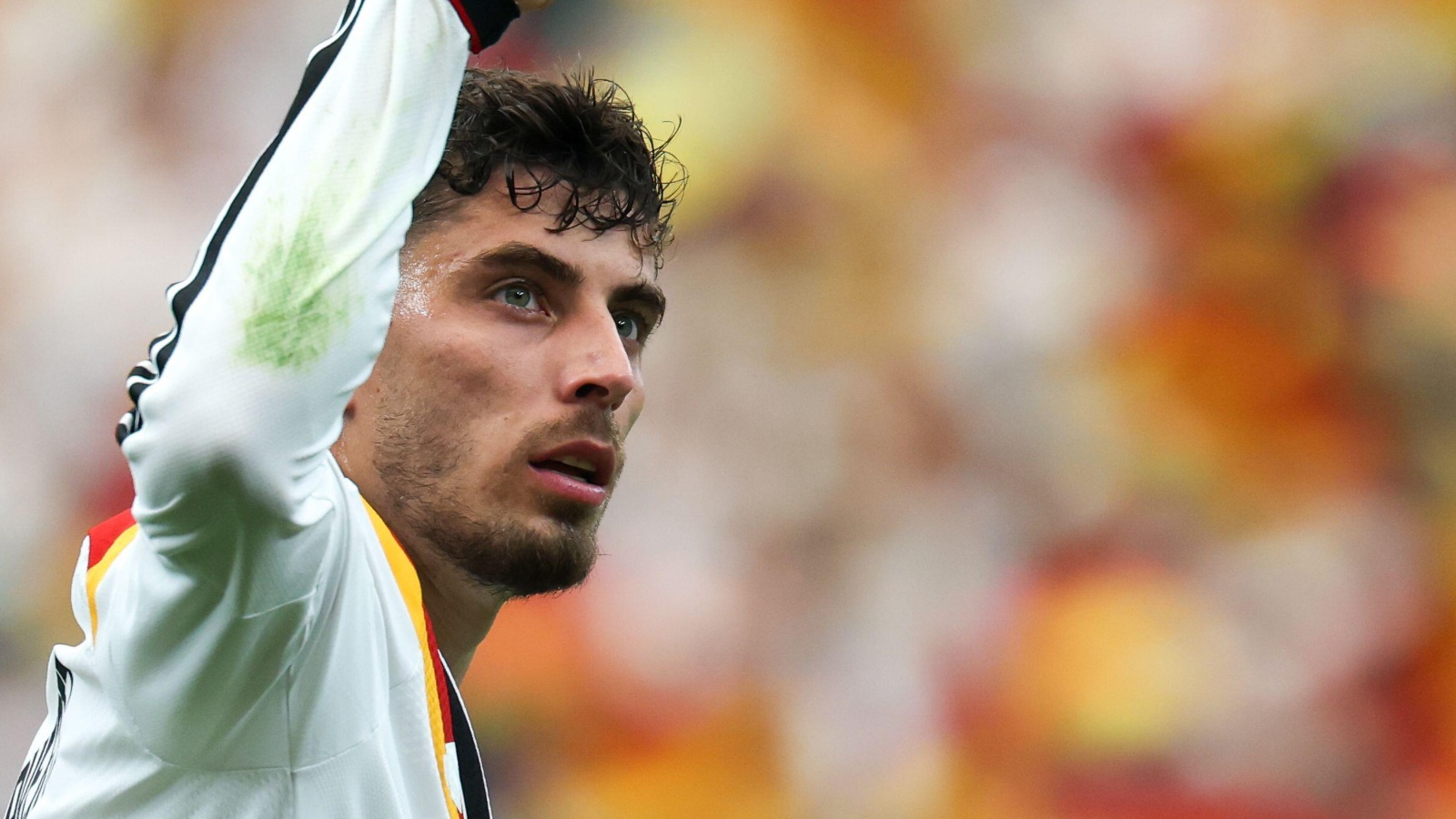
Arsenal have emerged as one of six clubs boasting multiple scorers at World Cup 2026, though Wolves are snapping at their heels in what amounts to a largely pointless but oddly compelling statistical pursuit.
The Premier League contingent are well represented across the tournament's goal tallies, but tracking which clubs' players have netted most goals offers a different lens on proceedings—one that's equal parts fascinating and entirely meaningless.
Three goals to their name
Arsenal lead the pack on three. Kai Havertz has proven remarkably prolific at major tournaments, having netted twice at both Euro 2020 and Euro 2024, with a World Cup goal in between. The striker's early brace suggests he's made a habit of peaking when it matters. Viktor Gyokeres, meanwhile, isn't about to let his Gunners teammate run away with bragging rights.
Two-goal clubs
Borussia Dortmund have two through Felix Nmecha and Nico Schlotterbeck, whose strikes sandwiched a historic first World Cup goal for Curaçao against Germany.
Brighton feature via Yasin Ayari, though the midfielder's presence here has inevitably spawned jokes about Chelsea's summer spending habits and the player's famously subdued celebrations.
Liverpool can point to two Dutch contributions: Ryan Gravenberch's assist found Virgil van Dijk's head for the Netherlands' opener, a combination that's never occurred in a Reds shirt. Alexander Isak then impressed for Sweden in their demolition of Tunisia.
Monaco join the two-goal club thanks to Folarin Balogun, whose double for the United States in their impressive win over Paraguay has him early in the Golden Boot conversation. The former Arsenal man's goal tally represents quite the turnaround from his club form.
Wolves sit alongside them courtesy of Ladislav Krejci and Raul Jimenez, each having scored crucial goals for their respective nations—though whether either has noticed their employers' ongoing implosion remains unclear.
The one-goal wonders
Beyond that sits an extensive list of clubs with single scorers: Al-Ahly (Emam Ashour's maiden Egypt goal against Belgium), Al-Qadsiah (Julian Quinones opening Mexico's account against South Africa), Al-Sadd (Boualem Khoukhi's Qatar equaliser versus Switzerland), Aston Villa (John McGinn's impressive run of form for Scotland), Bayern Munich (Jamal Musiala), Besiktas (Oh Hyeon-gyu's late winner for South Korea), Borussia Mönchengladbach (Giovanni Reyna), Crystal Palace (Daichi Kamada), Eintracht Frankfurt (Nathaniel Brown's sumptuous volley for Curaçao), FC St. Pauli (Connor Metcalfe's Aussie winner against Turkey), FC Universitatea Cluj (Jovo Lukic for Bosnia), Feyenoord (Hwang In-beom, first since Stefan de Vrij in 2014), Manchester United (Amad's late inspiration for Ivory Coast), Maribor (Omar Rekik's first international goal for Tunisia), Palmeiras (Mauricio's consolation for Paraguay), PSV (Ismael Saibari against Brazil), Real Madrid (Vinicius Junior salvaging a point for Brazil), Reims (Keito Nakamura's opening goal for Japan), Rennes (Breel Embolo's fourth World Cup at a fourth different club), Southampton (Cyle Larin's Canada point), Stuttgart (Deniz Undav's emphatic finish for Germany), Watford (Nestory Irankunda for Australia), West Ham (Crysencio Summerville's strike against Japan), Wolfsburg (Mattias Svanberg's second-fastest substitute goal in World Cup history), and Zurich (Livano Comenencia).
Compare options