The Slow Descent: A West Ham Supporter's Journey Through Relegation
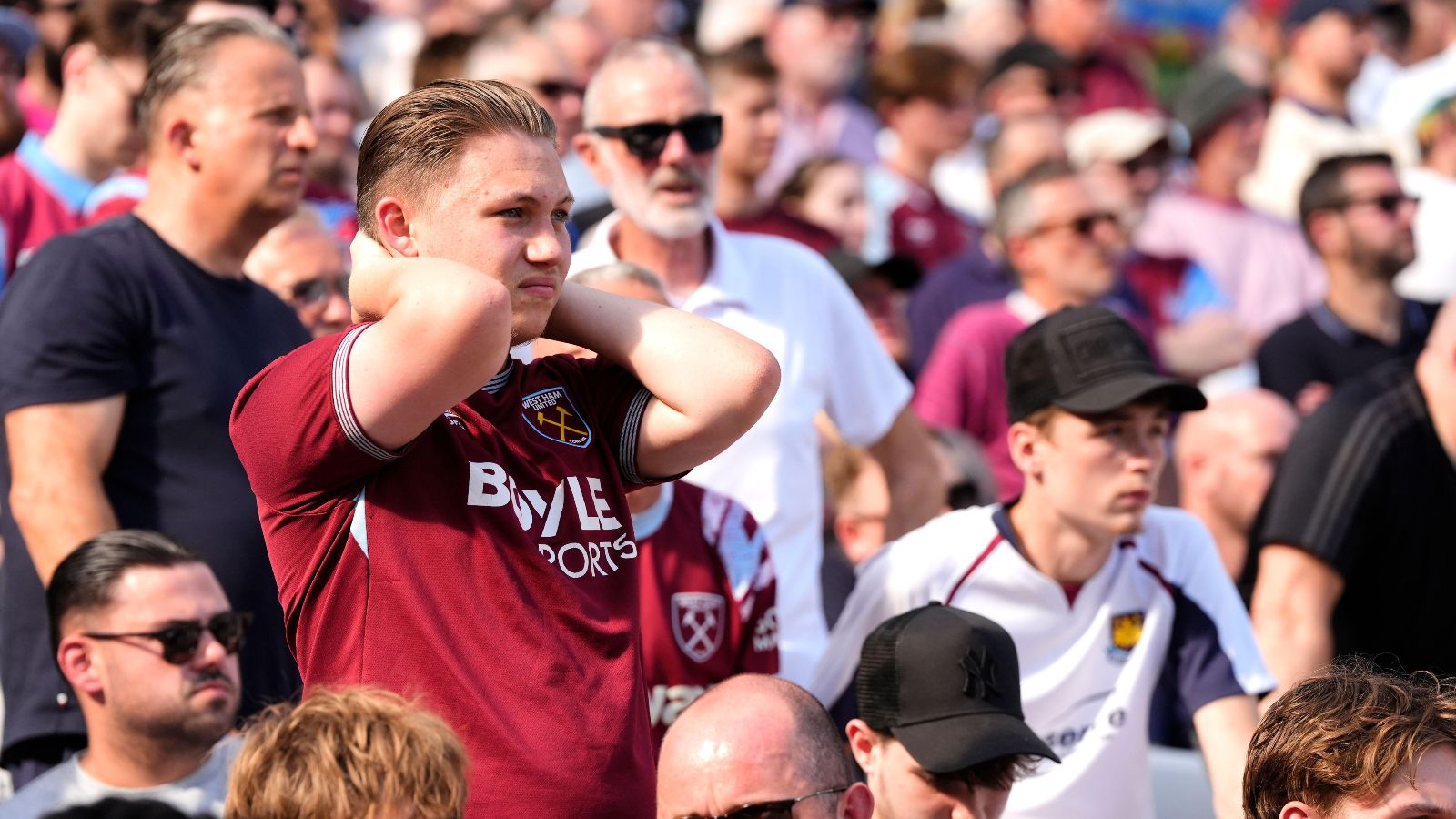
On the hottest May day in four decades, the train from Manchester to London carries the weight of a season's disappointment. Somewhere between Piccadilly and Euston, the question lingers: when exactly did you know?
The omens were there from the start. That opening journey to Sunderland—a grim affair without even the basic facilities afforded to away supporters—set the tone. With James Ward-Prowse and Guido Rodriguez patrolling midfield and Nayef Aguerd appearing mentally checked out before half-time, the mood was already sombre. Niclas Fulkrug's listless performance up front only compounded the sense of impending doom.
By late October, losing 2-0 to Leeds inside fifteen minutes should have been shocking. It wasn't. Nuno had selected an identical lineup to the one that had been dismantled 2-0 by Brentford just days earlier. One Lucas Paqueta enthusiast in the away end was convinced the Brazilian would be salvation. The reality at Elland Road told a different story—a player outworked by a Leeds side still carrying the scent of the Championship. Four points from nine games. The mathematics were damning.
Early January brought Wolves. Three goals before the interval. It was the sort of performance that becomes a grim inside joke, a reference point for absolute futility. Three days later, Nottingham Forest delivered another VAR-assisted defeat. Seven points adrift. The acceptance came quietly then.
Yet this is West Ham—masters of doomed heroism. Somehow, Nuno constructed something resembling a functional Premier League outfit. Results came. Hope flickered. For those who'd watched previous near-misses, there was a familiar pattern: a few wins and the drop zone recedes. This season felt different. The team was operating at maximum capacity, yet still fighting against a tide they'd created themselves.
Leeds and Forest had become insurmountable. Tottenham represented the only realistic lifeline. Sharing an office with a Spurs supporter—knowledgeable, yes, but hopelessly naive about relegation battles—provided an unlikely source of optimism. He fretted endlessly about Tottenham's prospects. Anyone who'd been through this twice before knew better. Relegation seasons possess their own rhythm, their own strange logic that produces calm rather than panic.
For twenty-three days, between Taty Castellanos' quick-fire brace against Wolves and news that Spurs had gone 2-0 up at Villa Park, there was something approaching belief. It evaporated instantly.
The VAR controversy against Arsenal—the jobsworths pontificating about procedure while ignoring three blatant rugby tackles on West Ham players—shifted something. Suddenly, the prospect of going down held a peculiar appeal. Away days at Bristol City, QPR, and Portsmouth beckoned as antidotes to the sterile Premier League product. Even Millwall's play-off exit provided a small hit of solace.
What truly beckoned was the humiliation of David Sullivan—British football's most graceless owner, who'd bartered the club's soul for loose change and continued running it like a mid-2000s Birmingham City circus.
The atmosphere at the London Stadium yesterday was almost serene. Resignation had set in. Most supporters had made peace with it, choosing instead to savour the sunshine. El Hadji Malick Diouf hoiked crosses toward phantom strikers—one of many talented players whose limitations become catastrophically exposed in this chaos.
A late flurry produced a 3-0 victory over Leeds, each goal met with volleys of vitriol directed at Sullivan. But most around the ground remained glued to their phones, hoping against probability for Everton to deliver mercy that never materialised.
Then came the television screen. "West Ham relegated" in black and white. Mentally rehearsed since August, yet the sight still manages to pierce through the numbness.
The train home costs forty quid from Hackney Wick to Euston. En route, Arsenal supporters celebrate their title triumph with a carefreeness that feels utterly foreign. Back in Manchester, City fans wear Bernardo's name and sing of Champions League nights.
For years, outfits like Arsenal and City existed in a different stratosphere. Now, after sustained mismanagement, that gap has become painfully literal. The Premier League has become a different world. Getting back might take rather longer than anyone would like to admit.
Compare options