Arsenal's Madrid Heartbreak: How VAR Turned a Fair Contest Into a Penalty Farce
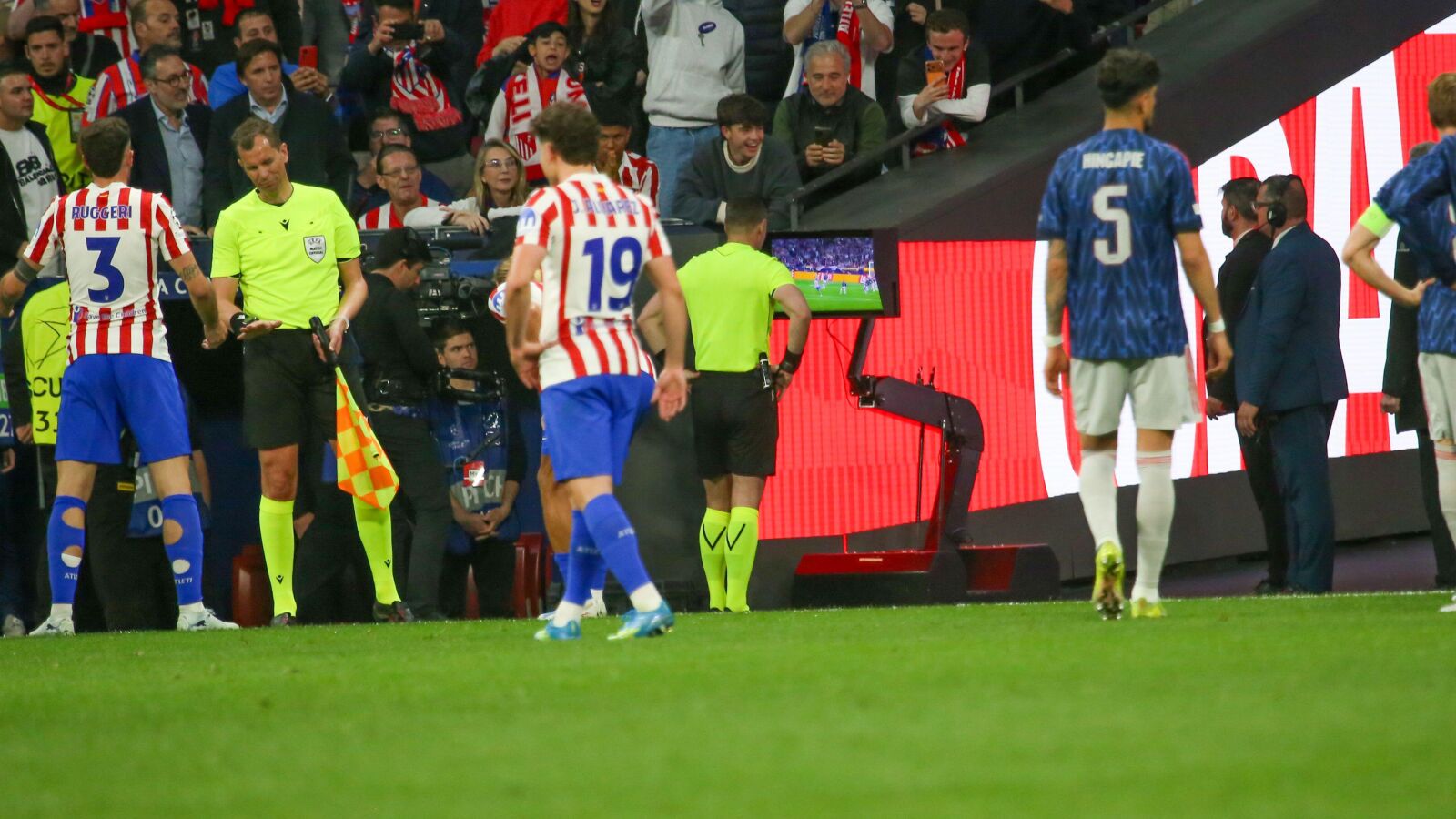
The Champions League semi-final promised drama, and Madrid delivered in spades—though not quite in the way anyone would have scripted it. What unfolded at the Parc des Princes was a 1-1 stalemate that, on paper, felt like a reasonable outcome. In practice, it was a masterclass in how VAR can poison a contest without actually changing the fundamental result.
Arsenal dominated the opening 45 minutes with a degree of control that made Atlético look distinctly un-Atlético. Declan Rice orchestrated matters in midfield with the kind of authority that suggests he belongs at this level, while Viktor Gyokeres was all bustling energy and intelligent positioning. His penalty, struck late in the first half after David Hancko's clumsy defending, was the least controversial moment of the evening—a genuine foul, cleanly converted.
Then came the chaos. Atlético improved markedly after the interval, with Ademola Lookman squandering chances that David Raya somehow turned into routine saves, while Julian Alvarez's free-kick struck the side-netting in that peculiar way that makes you question your own eyesight.
But it's the penalties that will dominate discussion. Ben White's handball—the ball striking his arm as he attempted to clear—triggered the VAR machinery in precisely the way UEFA has decided it should. The Premier League would have waved it away; UEFA saw it differently. Consistency exists here, even if it's a consistency nobody particularly enjoys.
The real stinger came when David Hancko lunged at Eberechi Eze, making contact just enough to constitute a foul. Anywhere else on the pitch, it's a free-kick and life moves on. In the penalty area, VAR intervened. The contact was marginal, certainly, but it was there. The frustration for Arsenal lay not in the decision itself but in the principle: if handball requires such an unforgiving interpretation, why should physical contact receive a more lenient reading?
The fundamental problem remains unchanged. VAR operates on a foundational falsehood—that football can be officiated with complete objectivity, that every decision represents an absolute truth rather than a shade of grey. The Premier League has at least found a workable middle ground with handball, requiring something genuinely egregious or deliberately unnatural before reaching for the penalty. UEFA's approach remains capricious, leaving defenders contorting themselves into increasingly absurd positions in hopes of appeasing the VAR gods.
What made this particularly galling was the reversal of the third penalty. Once given on the pitch, marginal decisions should stand. That's the principle VAR was supposed to protect—clear and obvious errors only. This was neither clear nor obvious; it was borderline and debatable.
The draw might feel fair when you examine the 90 minutes of actual football. But Arsenal's exit next week—should it come to pass—will carry the stench of a semi-final decided not by superior play but by the capriciousness of a system that has somehow made football's greatest moments contingent on slow-motion replays and the interpretation of millimetres. And that's something no amount of consistency can justify.
Compare options