UEFA Hands Super Cup Role to Referee Locked Out of World Cup
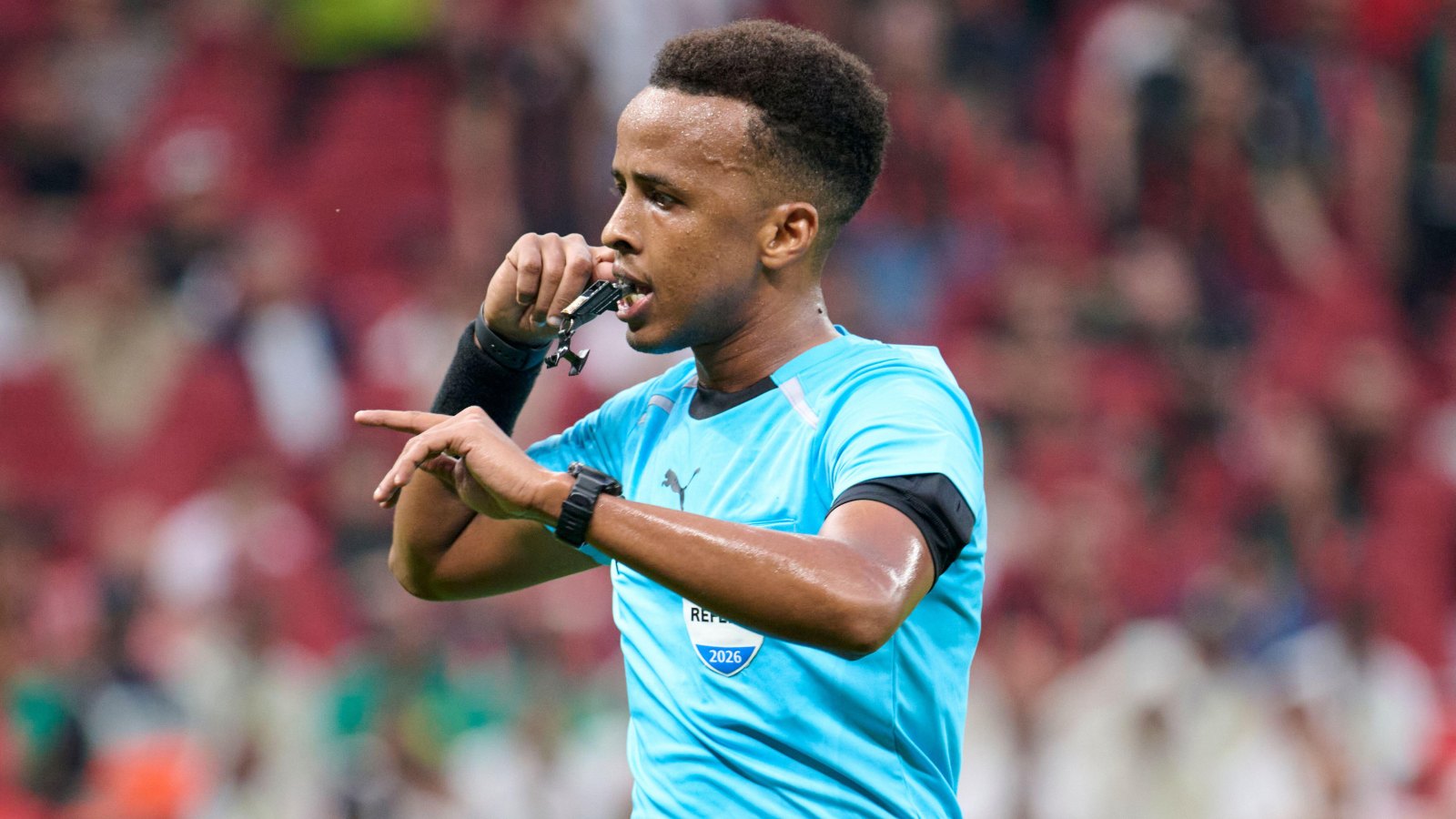
UEFA has appointed Somali referee Omar Abdulkadir Artan to officiate the UEFA Super Cup next month—a move that carries more than a whiff of defiance toward FIFA, given that the 34-year-old was prevented from working the World Cup after US immigration authorities refused him entry despite holding a valid visa.
Artan had been selected as a match official for the June 11-July 19 World Cup but was kept out of the tournament when American authorities blocked his arrival, citing alleged links to suspected members of terror organisations.
The European governing body announced on Thursday that Artan's appointment for the August 12 showdown in Salzburg between Champions League winners Paris St Germain and Europa League holders Aston Villa came following discussions with the Confederation of African Football (CAF) and forms part of a newly signed cooperation agreement between UEFA and the African body.
FIFA president Gianni Infantino addressed the Artan situation on Wednesday, offering a decidedly philosophical take on the predicament. Speaking ahead of the World Cup's opening match between co-hosts Mexico and South Africa, Infantino struck a notably relaxed tone when asked about the controversy.
"It is unfortunate what happened to the referee from Somalia," Infantino said at a press conference—his first in three years. "We try, we'll discuss, we'll see. Maybe sometimes it's good as well to chill, relax. We work on everything, we try to resolve everything."
The FIFA chief emphasised that his organisation could not override government decisions on immigration matters. "We are not the kings of the world who can rule over governments and police forces. We are a sports organisation," he stated, adding that FIFA would continue working behind the scenes to resolve outstanding issues but that immigration decisions ultimately rested with national authorities.
When pressed on whether the visa controversies had prompted any regrets about selecting the United States as a host nation, Infantino remained unmoved. "There are issues; it's normal for an event of this magnitude. Some come from the United States, some from Canada, some from Mexico. We deal with all of them," he said.
Infantino pointed to Iran's participation as evidence of FIFA's ability to navigate geopolitical complexity. "People were saying Iran couldn't come to the World Cup. I promised them they will come," he said, framing the country's inclusion as proof that football could transcend political tensions.
On ticket pricing—another flashpoint for supporters—Infantino defended FIFA's approach. The governing body has shifted more than six million tickets, with demand exceeding projections by "a factor of 10 or more," he noted. Starting prices of $60 represent the lowest entry point of any American sports playoff phase, he argued, and pricing them lower would simply push fans toward secondary markets at inflated rates.
"Every dollar that comes in goes back to the development of football," Infantino insisted.
The tournament begins Thursday at Mexico City's Estadio Azteca, which will become the first stadium to host World Cup matches on three separate occasions. Infantino predicted one of the most competitive tournaments on record, with altitude, climate, travel, and the expanded 48-team format all contributing to unpredictability.
"Let the celebration begin," he concluded.
Compare options