World Cup Wallet Woes: The Stunning Price Divide Exposing Football's Concession Chaos
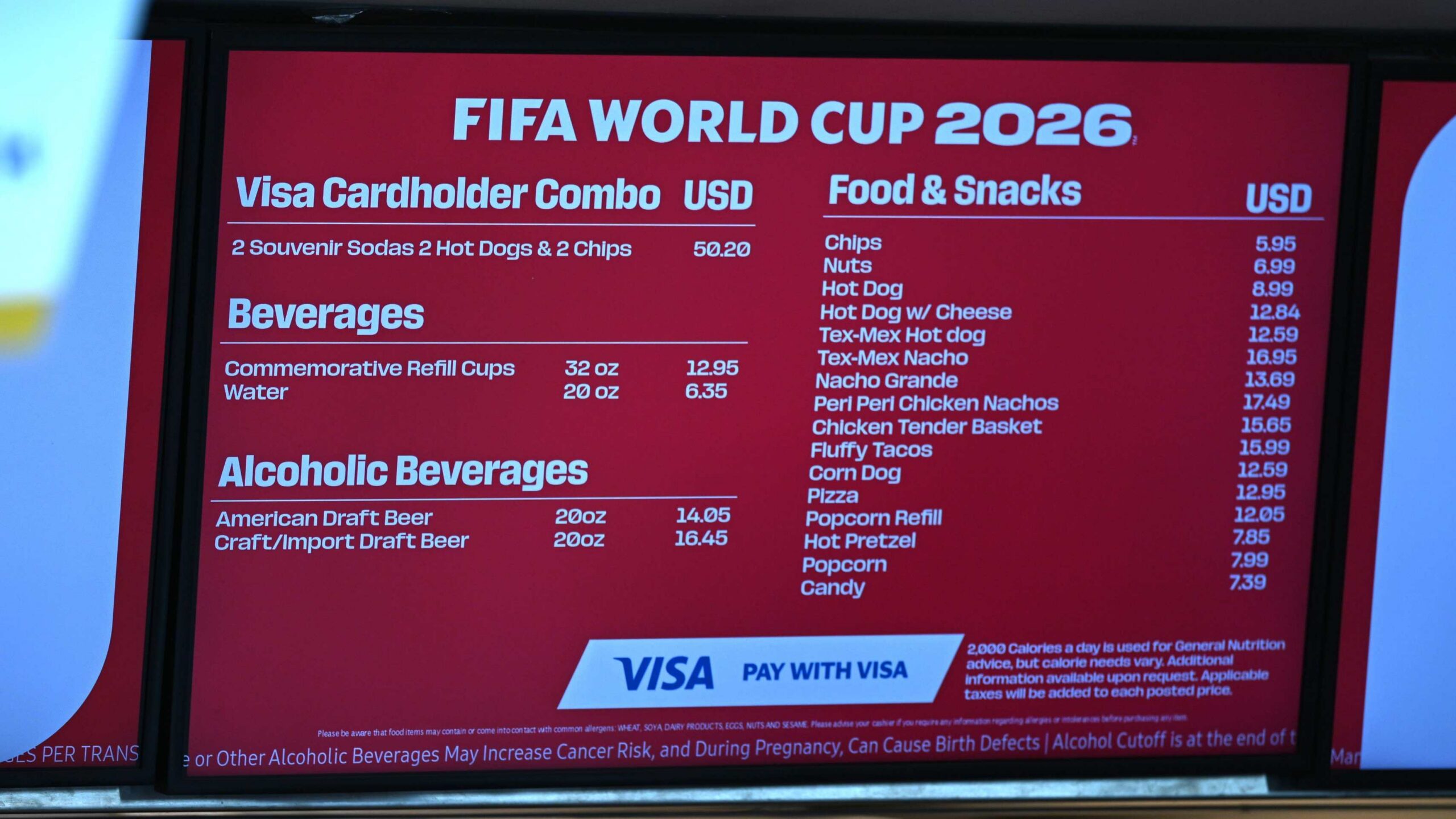
Anyone who's attended a major sporting event knows the sinking feeling: one beer, a hot dog, a bottle of water, and somehow your wallet is £35 lighter. The 2026 World Cup, scattered across the United States, Canada and Mexico, was always going to put supporters' bank balances through the wringer.
While ticket prices have hogged the headlines, the real financial squeeze happens at the concession stand. And that's where things get properly messy.
Here's the rub: FIFA doesn't impose a universal pricing structure across the tournament's 16 venues. Instead, individual stadium operators call the shots on what they charge for food and drink. The result? A lottery. Your experience depends entirely on which country you're in and which ground you're visiting.
Take Atlanta's Mercedes-Benz Stadium. The venue had already earned a reputation for its "Fan First Pricing" model before the World Cup kicked off—a refreshing rarity in modern sports. During the tournament, fans can grab hot dogs, pretzels, popcorn and soft drinks for around $2, with pizza slices and nachos hovering near $3. In a world where supporters routinely expect to pay triple that, Atlanta is genuinely exceptional.
Elsewhere? Far grimmer. Several host stadiums are charging beer prices that match those at premium North American sporting events—$15 a pint or beyond. In some of the tournament's biggest venues, you'll spend more on refreshments than you would on a decent match ticket back in England.
Geography matters too. Mexican venues tend to be kinder to the pocket than their American and Canadian counterparts, which makes sense given the cost-of-living differences. But it also means two supporters watching identical matches in different countries will walk away with completely different views on whether the tournament was a bargain or a rip-off.
The pricing puzzle becomes particularly thorny when weighed against FIFA's much-trumpeted sustainability agenda. The governing body has been banging on about the tournament's environmental credentials through its Sustainability and Human Rights Strategy, with host cities rolling out waste-reduction schemes and improved recycling infrastructure.
Then came the water bottle bombshell. FIFA initially banned reusable bottles from stadiums on safety grounds. Cue the outcry from supporter groups and environmental advocates, who pointed out the obvious: forcing fans to buy water inside venues would spike both costs and plastic waste. FIFA blinked and amended the policy in the US and Canada, allowing one factory-sealed disposable plastic bottle per person. Reusable bottles? Still banned.
It's a contradiction that exposes the tension running through modern mega-events. Organisers want to look environmentally conscious while making commercial and security decisions that don't always square with that messaging. Food pricing sits in exactly the same grey area.
The real story here isn't the cost itself—supporters have resigned themselves to paying through the nose at tournaments. It's the extraordinary inconsistency. In one city, you're paying $2 for a hot dog. In another, a single beer costs more than that meal. Atlanta has proven that affordability is achievable at a world-class sporting event. That makes the price gouging elsewhere look less like necessity and more like choice.
For FIFA, that's an uncomfortable truth. For supporters weighing up whether to make the trip, there's a simple takeaway: before booking flights, hotels and tickets, check the stadium menu. You might need a bigger budget than you thought.
Compare options