Tudor Appointment Offers Glimmer of Hope, But Tottenham's Fundamental Problems Run Far Deeper
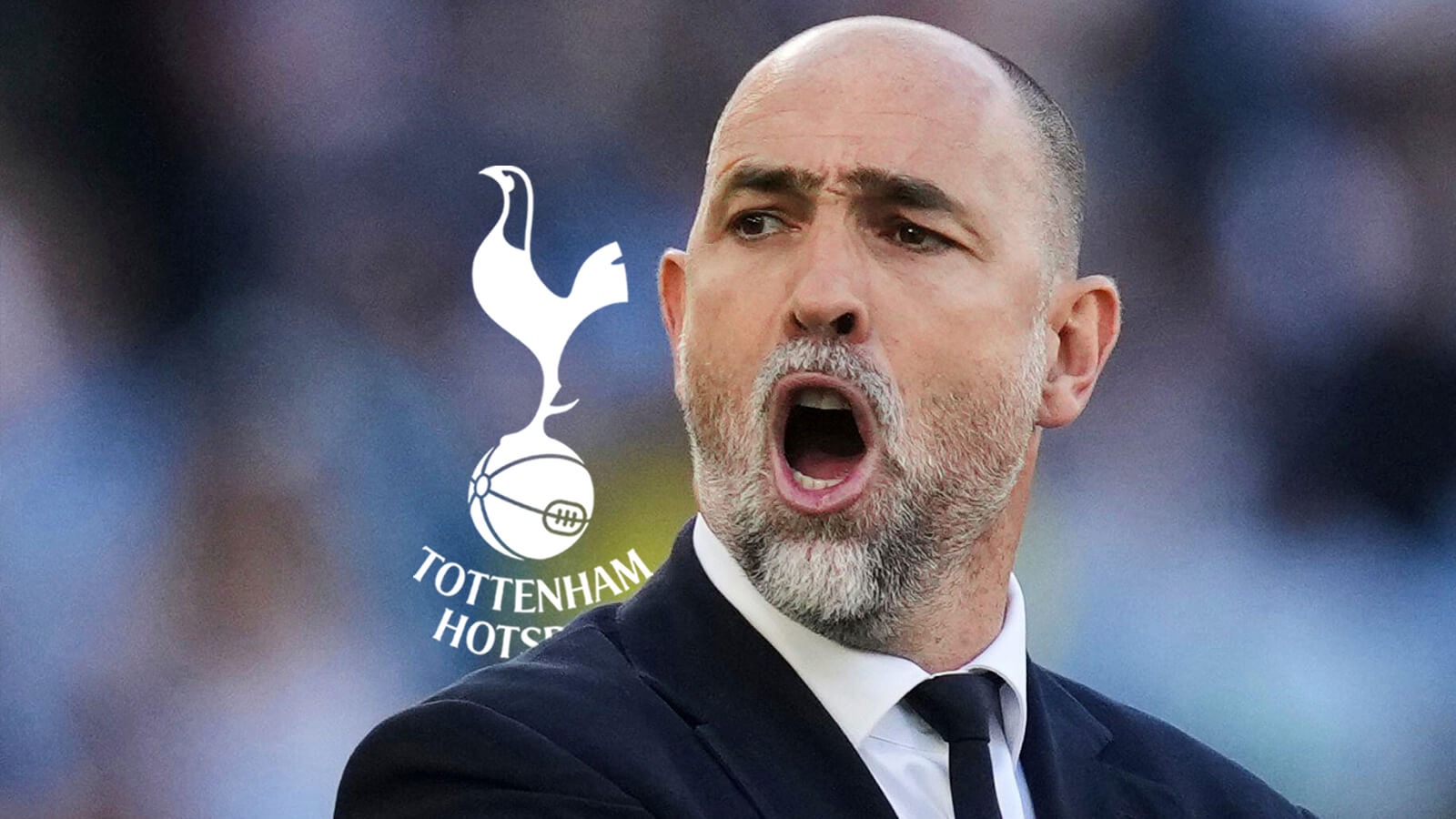
There's a certain comfort in watching a new manager arrive at a club and immediately demonstrate that he actually comprehends what's gone wrong. For Tottenham fans, Igor Tudor's opening interview as Spurs boss offered precisely that—a five-minute window into someone who grasps the scale of the challenge ahead far more lucidly than Thomas Frank managed to convey across his entire eight-month tenure.
Does this guarantee success? Absolutely not. But understanding the assignment is at least a foundation upon which something might be built. In a footballing landscape where Spurs have been gaslit by their previous manager and serenaded by his sympathetic cheerleaders in the media, simply having a leader who recognises that wanting competent football, avoiding relegation, and the occasional home victory doesn't constitute entitlement feels like a small victory.
The danger, naturally, lies in the Spoke Well, I Thought trap. Nuno's "We will make you proud" remains fresh enough in the memory to warrant caution. Yet for a fanbase that has endured months of bewilderment and frustration, the desire to believe in someone who at least appears grounded in reality is entirely forgivable.
Tudor's track record is hardly inspiring. His history, predominantly in Italian football, suggests a manager suited to short-term stabilisation rather than long-term construction. He can plug holes; he cannot rebuild the vessel. The plan, evidently, is damage limitation rather than transformation. Perhaps that's realistic. Perhaps that's all Spurs can reasonably hope for right now.
But here's where the alarm bells should ring loudly: whose plan is this, exactly?
The only credible answer is Fabio Paratici's. This represents his final act as Spurs director of football—and it's crucial to understand what his departure alongside Tudor's arrival actually tells us about the state of chaos at board level.
The confirmation of Tudor's coaching setup this week included the exit of Johnny Heitinga, who lasted barely a month as assistant coach under Frank. The narrative had suggested Heitinga's appointment was a strategic positioning of a potential interim manager within the existing structure. We now know it wasn't. That revelation is genuinely frightening.
It means Paratici, Vinai Venkatesham, and Johan Lange genuinely hadn't grasped how dire circumstances had become—even as recently as four weeks ago. They weren't implementing a contingency plan; they were attempting to rescue a drowning man from a position of spectacular ignorance. They were trying to help Frank when any objective observer could already see the situation was terminal.
This reframes the January transfer window in an entirely new light. When Paratici announced his departure to Fiorentina whilst remaining through the window, and Spurs subsequently conducted no meaningful business whilst Fiorentina strengthened their squad, the natural assumption was that Paratici had somehow manipulated the club's finances. A man with his particular history of propriety certainly warranted suspicion.
But the truth appears worse: Spurs didn't get played by Paratici. They played themselves.
The reality, now evident, is that Venkatesham and Lange genuinely believed they didn't need to spend in January. They were content patting themselves on the back for prudent restraint whilst their club hurtled toward a relegation battle. When they failed to land Andy Robertson—apparently the only footballer on earth capable of improving this squad—they simply accepted that muddle-through was acceptable. Paratici wasn't absent; he was simply being ignored.
Only after he'd departed, and Frank managed the impressive feat of losing to Newcastle whilst conceding two preventable goals in yet another demonstration of tactical bankruptcy, did Venkatesham and Lange reluctantly acknowledge the situation had spiralled beyond their control.
At that point, they implemented the only option available to them: Paratici's parting contingency. Tudor arrives as the Croatian addition to Spurs' proud heritage of Balkan talent—following Modrić, Corluka, and Kranjcar. It's Paratici's final roll of the dice.
From this moment forward, everything falls to Venkatesham and Lange. Even if Tudor achieves the improbable and steadies the ship this season, relief will be temporary. The prospect of Venkatesham making the obvious error and handing Tudor a permanent contract shouldn't be ruled out entirely.
That's the terrifying part for Spurs supporters. Tudor might just be competent enough to buy them time. But the people making the decisions above him have demonstrated a staggering inability to grasp reality until it's almost too late. Time, it seems, may already be running out.
Compare options