Why Arsenal's Title Success Has Made Them the Premier League's Most Resented Club
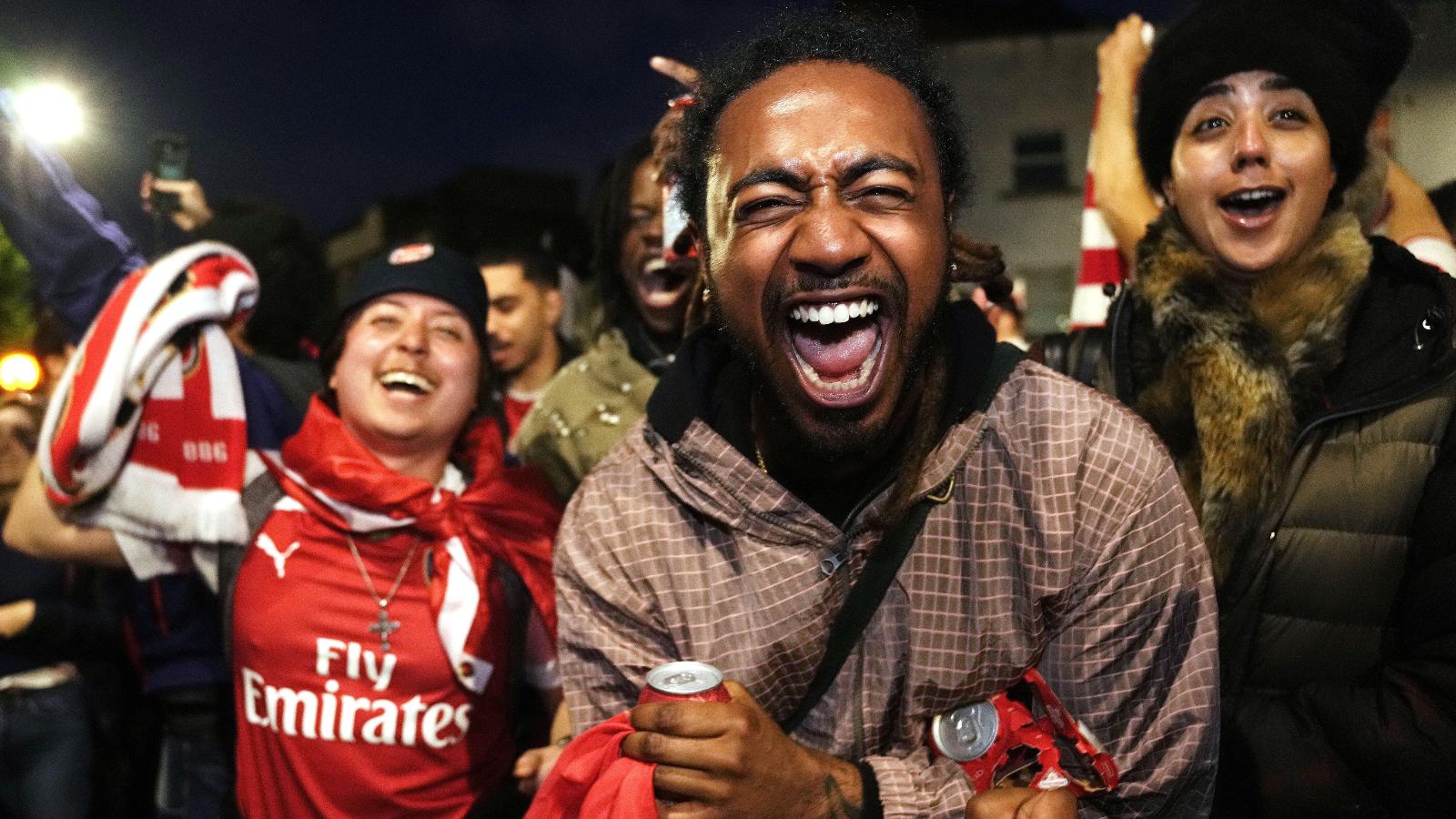
Arsenal's grip on the Premier League title should be straightforward to celebrate, yet the vitriol directed at the Gunners from across the football landscape tells a different story. Michael Carrick's second-placed Manchester United side trails them, but the real battle isn't on the pitch—it's in the psychology of rival supporters.
The animosity stems from three fundamental factors: identity, status, and threat.
Football clubs embed themselves into supporters' social identity. When a rival succeeds, fans experience it not as a neutral sporting outcome but as a loss of standing for their own tribe. We bolster our self-esteem through our club allegiances, and we typically reinforce that by diminishing rival groups. Arsenal possess multiple rivals thanks to their size and historical standing, and their resurgence has created a vocal opposition.
Manchester City's dominance generates dislike, certainly, but it rarely triggers the same emotional response. Many supporters view City's success as somehow removed from traditional football tribalism—an artificial construct rather than an organic rival. Their victories feel detached from the sport's fabric. Arsenal winning, by contrast, feels viscerally real and therefore genuinely threatening.
Humans instinctively prefer stable hierarchies. Arsenal's return to the summit disrupts the pecking order that has defined English football for two decades. Supporters cling to familiar narratives, even those they publicly lament. The Gunners have endured twenty-plus years of "nearly men" characterisations, and many have become emotionally invested in maintaining that storyline.
Their resurging fanbase compounds matters further. Arsenal are perceived as entitled—fairly or otherwise—given their history, scale, and recent commitment to what they frame as "proper football." Tall poppy syndrome cuts deep. Rival supporters derive genuine satisfaction from Arsenal disappointment, much as Arsenal fans savour Spurs' struggles.
The arithmetic is straightforward: City's dominance feels inevitable, almost routine. Arsenal's feels consequential. Supporters experience far stronger reactions to change than to established order. The Gunners have transitioned from objects of mockery to objects of genuine anxiety. They're now perceived as authentic competitors rather than perennial also-rans.
That shift, uncomfortable as it proves for rival supporters, may represent precisely the kind of long-term success Arsenal's supporters have craved for years.
Compare options