Seven Targets Amorim Never Got: The Transfer Wish List That Sealed His Fate at United
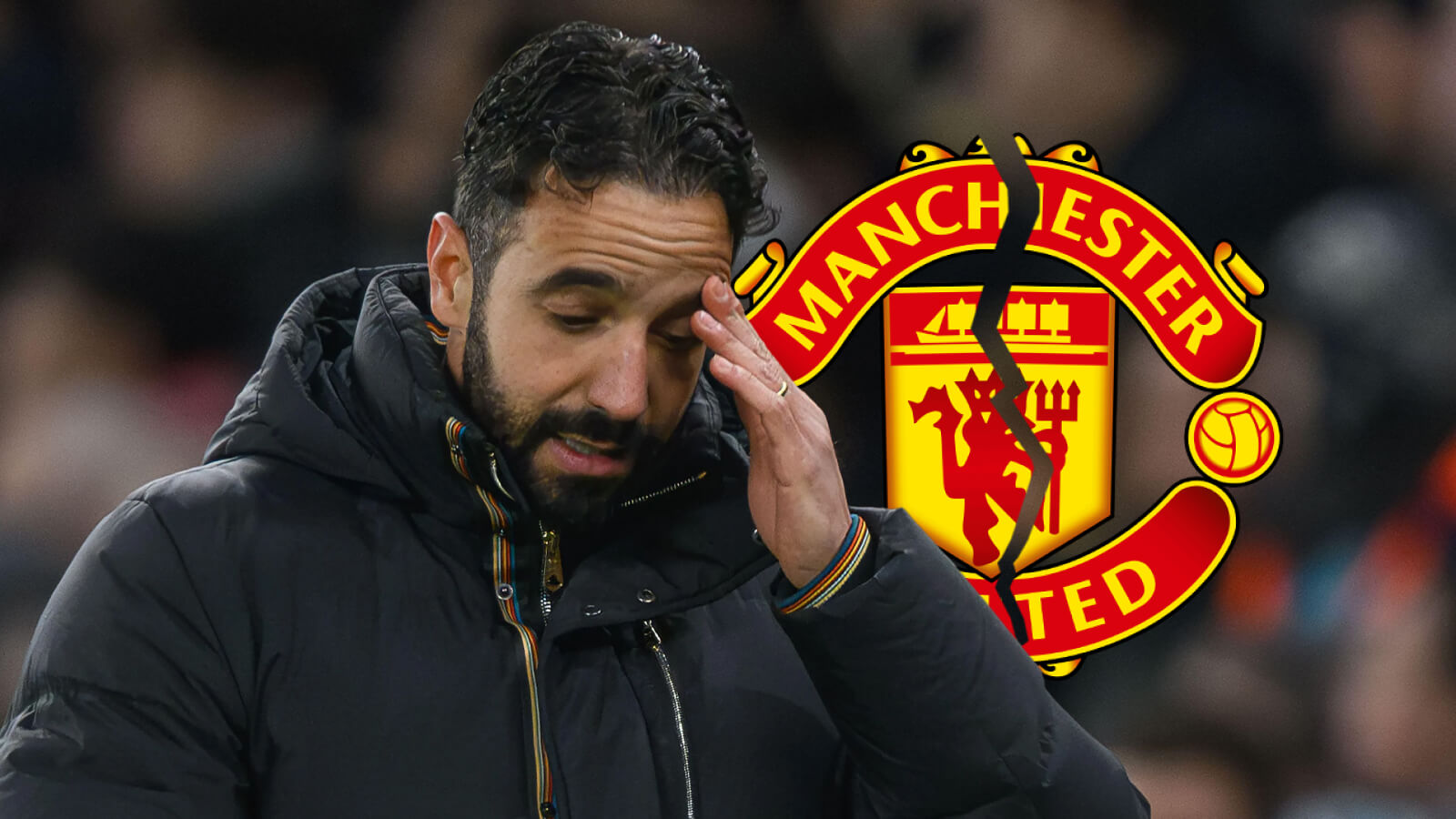
The writing was on the wall for Ruben Amorim long before Monday's axe fell. While the trigger came courtesy of inconsistent form—just three wins in eleven matches—and a particularly toxic falling out with Jason Wilcox over formations and recruitment, the real story was far simpler: a manager who couldn't get what he wanted, when he wanted it.
INEOS and Sir Jim Ratcliffe have now set their sights on an interim solution to shepherd the club through to season's end, with a permanent appointment pencilled in for the summer. But for Amorim, the damage was done far earlier, defined by a transfer window that left him decidedly unhappy with the club's business.
Despite backing the Portuguese coach with over £200m across five summer signings, the Old Trafford hierarchy systematically blocked seven of his recruitment targets—a frustration that clearly festered beneath the surface throughout his tenure.
The Ones That Got Away
Amorim's first choice in goal was Emi Martinez, the Argentine World Cup winner at Aston Villa. Instead, United moved for Senne Lammens, a decision that epitomised the gulf between what the manager wanted and what the club was prepared to deliver.
Up front, the coach fancied a tilt at landing Ollie Watkins, Villa's prolific number nine. The hierarchy had other ideas, splashing £74m on Benjamin Sesko instead—hardly a bargain-basement alternative, but not the player Amorim had identified.
At left wing-back, Amorim's blueprint called for Nuno Mendes. Patrick Dorgu arrived instead, a move that spoke volumes about the disconnect between boardroom and technical area.
The Sporting Connection
The frustration intensified when it came to his former Sporting CP charges. Amorim had lined up Geovany Quenda, Ousmane Diomande, Salvador Blopa, and Morten Hjulmand as potential signings. All were ultimately rejected or deprioritised.
Quenda's case proved particularly telling. United sources have pointed to his profile overlapping with Amad as the reason interest cooled—hardly the kind of tactical nuance that tends to please a manager convinced he knows exactly what his side needs.
Hjulmand represented something different in Amorim's thinking. The midfielder was earmarked as a solution to United's midfield woes and, crucially, someone who wouldn't require an exhaustive explanation of the tactical system. Yet the club had other midfield priorities in mind for summer 2026.
The Manager v The System
The tension boiled over publicly when Amorim demanded to be called "manager" rather than "head coach" during his dramatic post-Leeds press conference—a seemingly small detail that screamed volumes about his desire for proper authority over recruitment and strategy.
His sacking, then, represents the collision between an ambitious coach with a clear vision and a club structure still figuring out how to empower its technical leadership. The fact that he began at Old Trafford overlooking a 15th-place finish and failure to qualify for European football suggests the hierarchy had faith in his project. By January, that faith had evaporated—victim to too many compromises and not enough control.
Compare options