De Zerbi's Spurs Inheritance: Ten Urgent Battles Ahead
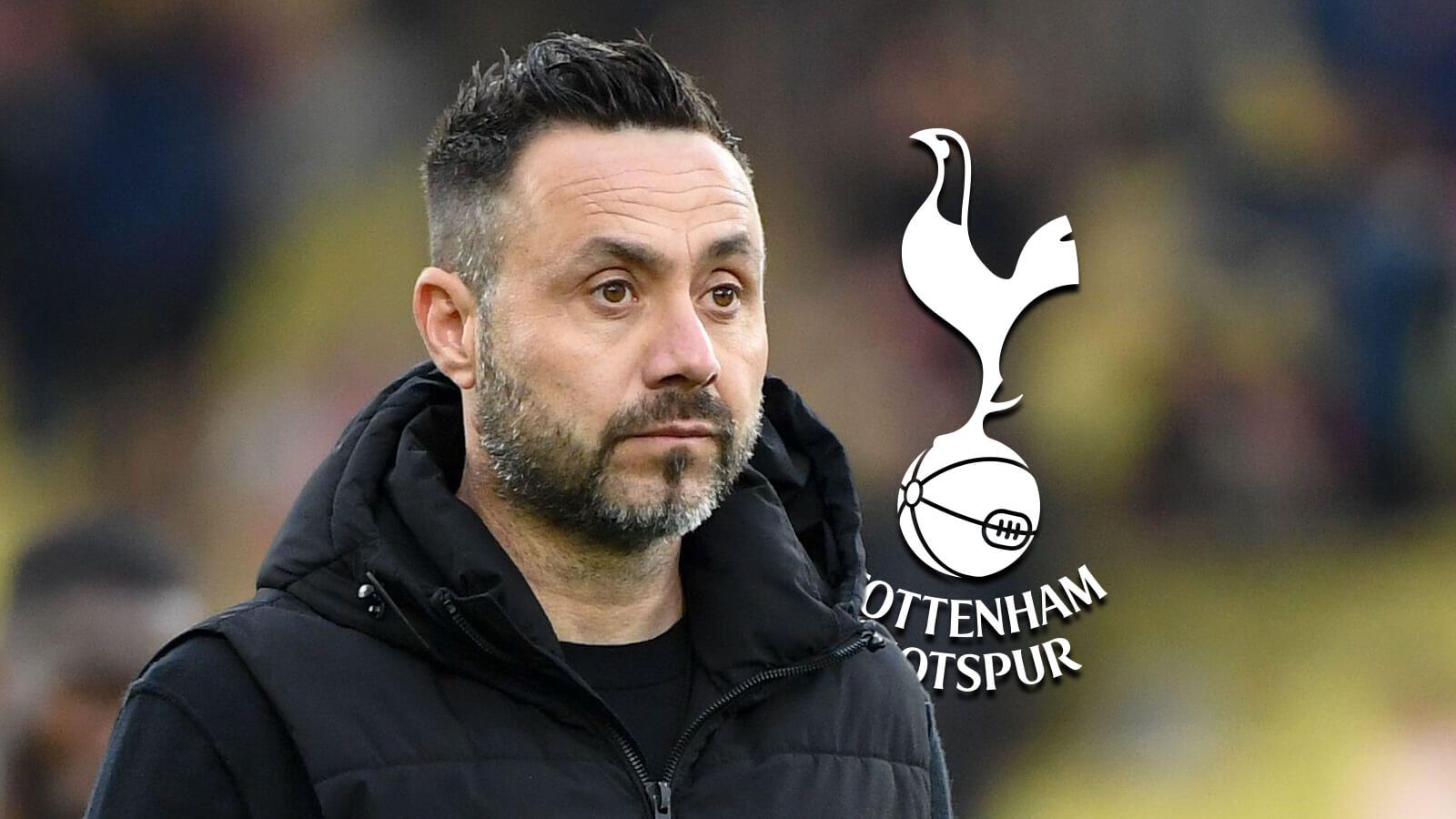
Tottenham have rolled the dice once more. After sacking an interim manager in the same season, they've now handed Roberto De Zerbi a five-year deal and eight-figure salary to salvage their season from the brink. Whether this represents bold decisiveness or elaborate self-sabotage remains gloriously unclear.
The manager arriving from Brighton carries baggage heavier than any moving van could reasonably transport. His track record of imploding within two years at virtually every club—even those considerably less chaotic than Spurs—hardly inspires long-term confidence. Yet the immediate concerns are far more pressing than future anxieties about whether the fanbase will be calling for Mauricio Pochettino's return by next spring.
The Greenwood Elephant
De Zerbi's public rehabilitation of Mason Greenwood, framing him as a "good guy" who has "paid a heavy price" whilst conveniently overlooking any shortage of remorse, has now cast a long shadow over his Tottenham appointment. The moment De Zerbi left Brighton, speculation mounted that he would eventually return to English football with Greenwood's ghost trailing behind him.
It hasn't quite happened literally—even Spurs possess some limits—but the reputational entanglement is unavoidable. Multiple supporter groups have already expressed genuine disquiet at the appointment, and this isn't merely pearl-clutching. A prominent fan poll split opinion right down the middle at 48:52, with replies perfectly capturing the tribal warfare: those baffled at the opposition and those equally baffled at the support.
The Explanation Problem
De Zerbi's first press conference will demand answers. Whatever one's perspective on Greenwood, the divisiveness is undeniable and legitimate. The new manager must produce an explanation so compelling and convincing that it settles the matter—a task rendered near-impossible by his previous comments on the subject. The damage, regrettably, is partly his own making.
The Squad's Fractured State
Spurs desperately need unity at the worst possible moment. Instead, they've appointed perhaps the most contentious and baggage-laden manager available at eye-watering expense. The dressing room appears fractured, with some supporters checked out entirely from the dysfunction. Whether De Zerbi can rebuild togetherness remains an open question.
Firefighter Credentials in Question
While De Zerbi meets the minimum physical requirements for actual firefighting, his record as a footballing one deserves scrutiny. Igor Tudor departed English football having taken one point from five Premier League games—among the worst starts imaginable. De Zerbi managed just two points from his first five Brighton games, albeit in a completely different context.
Brighton had accumulated 13 points from six games before his arrival. Tottenham's last 13 points have consumed five months and 21 matches. The situations are incomparable—this one is exponentially worse.
The Condensed Timeline
De Zerbi eventually engineered a remarkable turnaround at Brighton, accumulating 47 points from 27 remaining games to secure sixth place and European football. The question becomes whether he can compress that bedding-in period into five days before facing Sunderland.
When he inherited Marseille with a proper pre-season, he won four of five Ligue 1 matches. Can a mini-preparation with a shellshocked, demoralised Spurs squad replicate that trajectory? The timeframe feels brutally insufficient.
Goalkeeping Chaos
Strip away the ethical and footballing concerns, and De Zerbi's short-term prospects hinge largely on a position where Spurs are catastrophically weak. His tactical philosophy demands a goalkeeper comfortable building from the back with confidence, drawing opponents forward before playing through or around them.
Guglielmo Vicario has been a liability all season, with only recent surgery offering belated context for months of struggles. Antonin Kinsky infamously had to be withdrawn after 16 minutes of his Champions League debut. Based on recovery timescales, Kinsky will likely start at Sunderland. How De Zerbi manages this fraught situation will prove fascinating—grimly so, perhaps—especially after Frank Lampard's season of deliberately going long in reaction to Ange Postecoglou's excesses.
Centre-Back Confidence
De Zerbi's system places enormous responsibility on centre-backs and deep-lying midfielders to receive possession in tight spaces and make composed decisions. Cristian Romero and Micky van de Ven possess the technical ability when functioning properly, but both have drifted far from their best recently. Romero's impetuous streak has flourished during his first season as captain, whilst Van de Ven has become the squad's personification of checked-out malaise.
Midfield Puzzle
One pivot position finds an obvious solution: Archie Gray, the 20-year-old beacon of recent gloom upon which Spurs' hopes increasingly rest. Yet there's only one Archie Gray, and two are required—minimum.
His midfield partner presents a genuine conundrum. Rodrigo Bentancur possesses technical quality but lacks energy. Pape Sarr offers the inverse. Joao Palhinha seems poorly suited to De Zerbi's methods, though he managed adequately with Pierre-Emile Hojbjerg previously. Lucas Bergvall represents high-risk, high-reward—a player Frank Lampard catastrophically misidentified as a number 10 rather than recognising his deeper strengths. Bergvall was rusty when introduced against Nottingham Forest in Tudor's final game, yet De Zerbi might reap handsome rewards from early tactical bravery here.
Pressing and Playmaking
Tudor's Spurs ran further than Lampard's, covering significantly more ground per game without playing superior football. De Zerbi could potentially harvest those fitness gains. Richarlison's boundless if chaotic energy and Mathys Tel's consistent effort should benefit from the new regime's demands.
More crucially, the number 10 position proves absolutely pivotal. De Zerbi's entire system hinges upon it, and the absence of alternatives suggests Xavi Simons will receive an extended run—seven games counts as extended now, apparently—in his natural position under a manager who doesn't treat playmaking as heresy.
The Glimmer of Hope
If everything collapses, at least it happens quickly, removing both De Zerbi and the Greenwood controversy from the equation. Conversely, Spurs' broken players might prove more receptive to De Zerbi's methods than Brighton's already-confident squad proved to be.
The club has discovered false rock bottoms repeatedly this season, each concealing even rockier depths beneath. Things remain capable of deteriorating further. But they could also improve. De Zerbi brings considerable baggage and numerous ways to fail spectacularly. He's simultaneously the best head coach Spurs have employed this season. The football should look better than anything witnessed recently—perhaps even effectively so.
Maybe.
Compare options