From Fergie's Shadow: Ranking Manchester United's Seven Permanent Managers
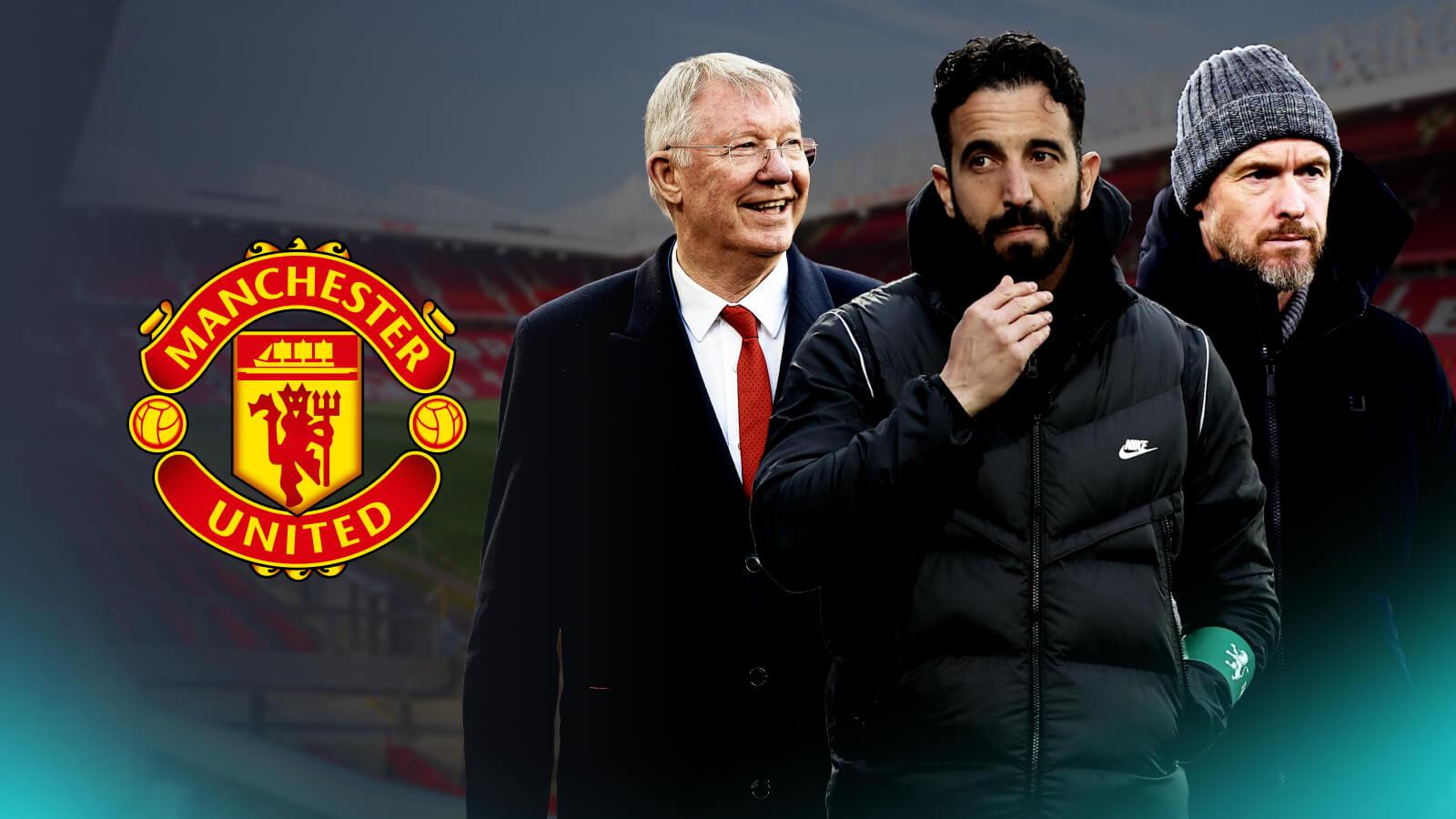
The Manchester United hotseat has proven to be a career-ending proposition for every successor to Sir Alex Ferguson. Since the legendary Scot stepped down after winning the Premier League in 2013, the club has cycled through seven permanent managers, each departing with their reputation damaged and the club's standing diminished.
7) Ruben Amorim – The Catastrophe
Amorim's reign represents the nadir of the post-Ferguson era. His 14-month stint culminated in a 15th-place finish during the 2024/25 season – the worst league position in the club's modern history. The Portuguese manager's stubborn refusal to adapt his tactical system, despite clear evidence that his squad functioned better in alternative formations, proved fatal. His public criticism of players and media commentary only compounded matters, with little to show for his efforts beyond continued decline. Co-owner Sir Jim Ratcliffe and the recruitment department share responsibility, but Amorim's intransigence sealed his fate long before his departure.
6) David Moyes – The Impossible Task
Moyes inherited a Premier League-winning squad yet somehow rendered them incapable of competing for Champions League football. Ferguson's personal recommendation and a generous six-year contract proved catastrophic misjudgements. Ten months later, after an alarming number of defeats, United finished seventh. His solitary consolation came courtesy of a Community Shield victory over Wigan Athletic.
5) Ralf Rangnick – The Consultant Who Never Consulted
Rangnick arrived to stabilise the ship following Ole Gunnar Solskjaer's sacking in 2021/22, with plans to transition into a behind-the-scenes consultancy role. Ten Hag's arrival from Ajax in May 2022 scuppered that arrangement entirely. The German's tenure embodied United's organisational chaos – he took the manager's job only to become a consultant months later, then departed without ever stepping into that role, subsequently becoming Austria manager. His diagnosis of the club's ailments – his famous "open-heart surgery" assessment – proved prescient but unwelcome. Results stagnated under his watch, with the club finishing sixth, 13 points adrift of fourth.
4) Erik ten Hag – The Trophy That Wasn't Enough
Ten Hag should have been dismissed after presiding over United's worst Premier League finish ever. An improbable FA Cup final victory over Manchester City reprieved him, and Ratcliffe subsequently extended his contract after swallowing explanations about injuries. The decision looked as misguided as anticipated. Summer recruitment promised much but delivered little; the football regressed rather than improved, epitomised by a grim home defeat to Tottenham.
His first season delivered the Carabao Cup alongside a top-three league finish and an FA Cup final appearance, though that ended in defeat to City. Year two proved starkly different: eighth in the league despite toppling Guardiola's side at Wembley. The 2023/24 Champions League campaign was genuinely dreadful – finishing bottom of a group that seemed winnable – while a Carabao Cup defence crumbled embarrassingly when Newcastle hammered them at Old Trafford, reversing the previous season's final result. League performances oscillated wildly between competent and catastrophic.
Two trophies across two seasons reads respectably on paper; on the pitch, it told a different story. His sacking raised questions about Ratcliffe's football acumen.
3) Louis van Gaal – The Entertaining Pragmatist
Van Gaal timed his departure perfectly. The eccentric Dutchman provided genuine entertainment – his press conference outbursts, his theatrical remonstrations to officials, his animated reactions to perceived diving all brought colour to proceedings. His football, however, was relentlessly pragmatic and possession-obsessed, which is the diplomatic way of describing it as tediously dull.
Yet he delivered the club's first post-Ferguson trophy: an FA Cup. The hierarchy's gratitude was evident – they sacked him immediately after the Wembley triumph.
2) Ole Gunnar Solskjaer – The Glorious Crash
Solskjaer oversaw United's finest post-Ferguson football, despite the accumulated weight of semi-final disappointments. The Norwegian legend earned the permanent role following an impressive caretaker spell that included an unforgettable Champions League comeback at Paris Saint-Germain. Rio Ferdinand's reaction on BT Sport captured the moment's euphoria: "Get the contract out, put it on the table, let him sign it, let him write whatever numbers he wants to put on there – given what he's done since he's come in – and let him sign the contract and go. Ole's at the wheel, man – he's doing his thing. Man United are back!"
Solskjaer liberated Bruno Fernandes to express himself, with the Portuguese midfielder flourishing as a result. He somehow made Anthony Martial appear competent. The counter-attacking football, the remarkable 20-minute spells where United dismantled opponents, and the comeback victories made his tenure genuinely entertaining. It all ended in November 2021 after a hammering at Watford.
1) Jose Mourinho – The Successful Pragmatist
Mourinho stands alone as the post-Ferguson era's most successful manager. His football rarely thrilled, but it delivered results – and this remains a results business.
His opening campaign saw Paul Pogba and Zlatan Ibrahimovic flourish as United claimed the Carabao Cup and Europa League, finishing sixth domestically but securing Champions League football through European success. The following season yielded his self-described "greatest achievement": a second-place Premier League finish, 19 points behind Manchester City's centurions.
His third season turned sour. Dismissed in December 2018, he handed the reins to Solskjaer. Two trophies and continental success represent a genuine legacy, even if the football occasionally tested supporters' patience.
Compare options