Clarke's Position Untenable After Scotland's Capitulation Against Brazil
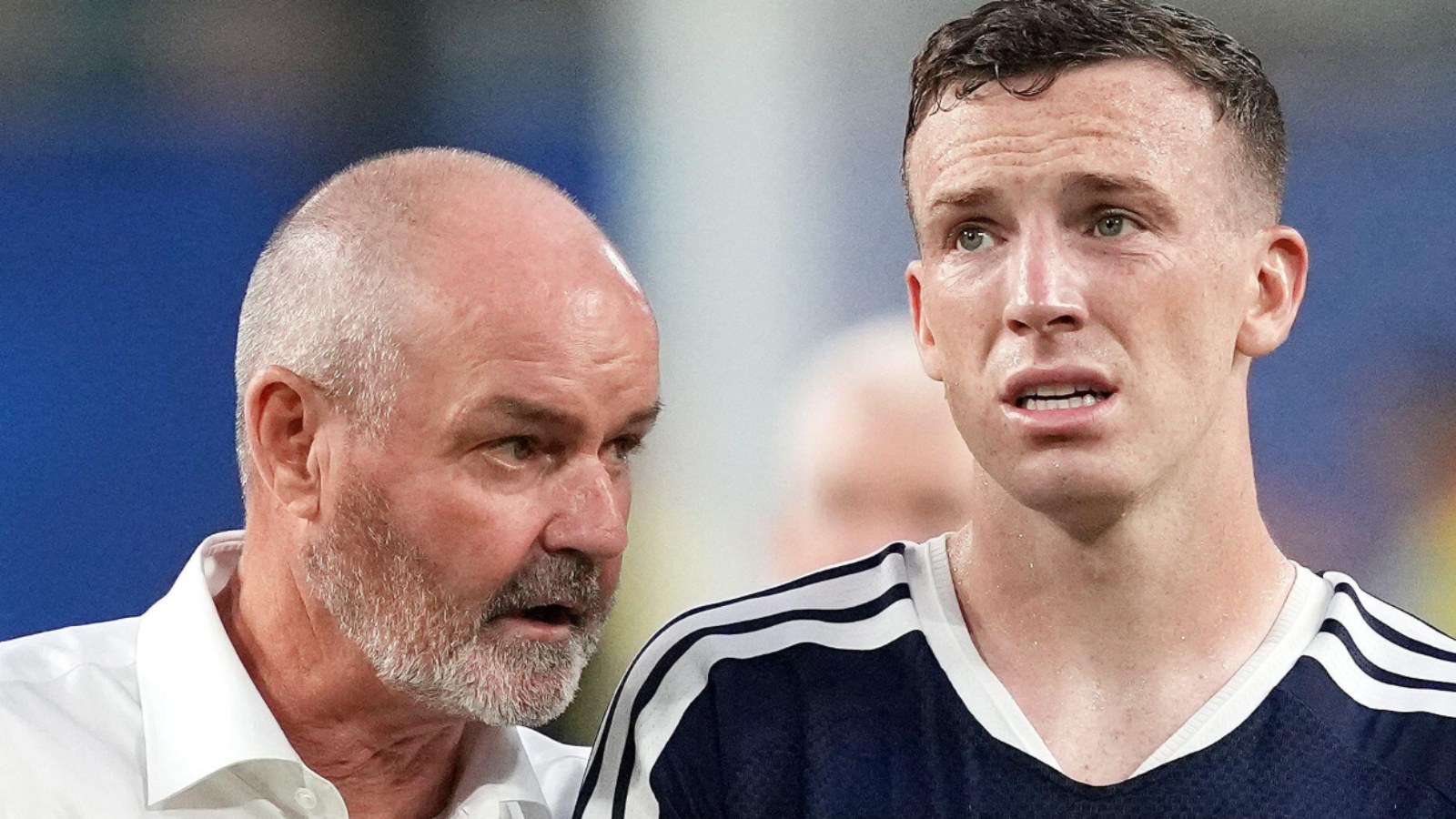
Someone in Scottish football is failing this nation spectacularly. After watching Scotland crumble against Brazil, the culprit wasn't exactly hard to identify.
The defending was a masterclass in self-sabotage. Scott McKenna, preferred over Grant Hanley, promptly handed Brazil an early gift by mirroring his benched rival's gift for gifting opposition strikers easy finishes. Jack Hendry compounded matters with a possession loss that led to a Vinicius Junior goal, only spared by VAR's questionable intervention. Andy Robertson trudged off at half-time, thoroughly outclassed by the sharper, quicker Rayan.
McGinn and McTominay, trophy-winners at their clubs, might as well have been watching from the stands. On Scotland's biggest stage, nobody showed up—but responsibility for that abdication rests squarely with the head coach and the executives who handed him a four-year contract extension before a single ball was kicked in this tournament.
"We made it difficult for ourselves," Clarke said afterwards, visibly seething. "We gave them the goals, we gave them the game they wanted." He then abandoned the interview, apparently deciding the Tartan Army didn't deserve further explanation.
It's the same story for a third successive tournament under Clarke: Scotland play well below their collective ability, tactics as cautious and uninspiring as they come, lessons learned from years of underachievement systematically ignored. Across nine games at the last two European Championships and this World Cup, they've won once, lost six, scored four and conceded 16. Their joint-top goalscorer across those three tournaments? Antonio Rudiger. That's not just poor—it's farcical.
The blueprint was there for all to see: an underwhelming victory over Haiti followed by a collapse against Morocco left Scotland needing the impossible against Brazil. Duncan Ferguson had spoken beforehand of an "exciting team" with "the handbrake off"—instead, it was a spectacular crash. Not every manager can shift seamlessly from defensive solidity to attacking adventure, and Clarke's Scotland certainly can't.
Brazil's forwards hunted ruthlessly on the ball, exploiting defenders instructed to play out from the back. Bruno Guimaraes controlled the midfield. By the time Scotland registered shots on target, the game was already buried and their own tactical confusion had done the damage.
"Only Scotland can get a winnable first game and then get number five and number six in the world," Clarke lamented afterwards. That self-pitying assessment rings hollow when they struggled to beat Haiti—ranked 88th—while Cape Verde and Ghana, positioned 64th and 65th respectively, have both held Spain and England to draws.
On the eve of this tournament, Clarke promised change. "I've not really enjoyed the previous two tournaments," he'd said, swearing: "This time, it's a different Steve Clarke." It wasn't. It was the same dispiriting, forgettable fare that's become all too familiar.
The truly depressing prospect? Scotland might somehow scrape through and be forced to play again this summer.
Compare options