Thomas Frank's Time Is Up at Spurs—And Delaying the Inevitable Serves No One
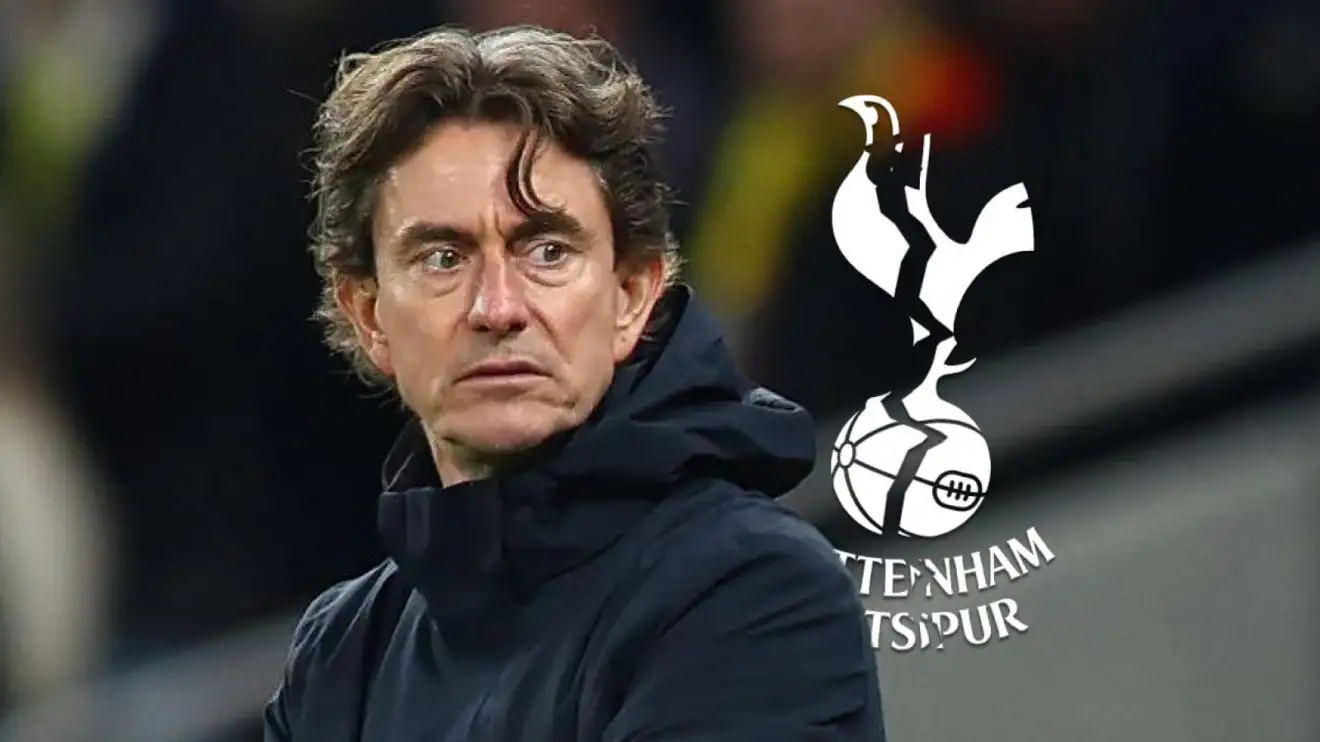
There are few more uncomfortable sights in football than the moment when everyone—supporters, players, and the manager himself—has accepted the inevitable, yet the people actually wielding the power refuse to act.
Spurs fans have seen it. The players know it. Frank himself understands it. The only person inside Tottenham Hotspur Stadium who apparently hasn't grasped that Thomas Frank's tenure is finished is Vinai Venkatesham, the new post-Levy chief executive faced with making the call.
His stubborn refusal to acknowledge what's staring him in the face suggests something troubling. Either Levy's appointment of Frank wasn't his decision at all—which would rewrite the narrative of that managerial hire—or Venkatesham has genuinely convinced himself he possesses some kind of managerial wizardry after the Mikel Arteta situation at Arsenal. He doesn't. Frank is simply out of his depth, manifestly unsuited to a role that would challenge even the right candidate, let alone someone this conspicuously wrong.
The arithmetic is damning. Spurs have already squandered opportunities for a new-manager bounce against Sunderland, Bournemouth, and West Ham—the latter a side with no wins in ten games. Now comes Borussia Dortmund on Tuesday, followed by a genuine six-pointer against Burnley. After that? Man City, Man United, Newcastle, and Arsenal await.
Even if Frank is replaced today, finding momentum in those fixtures looks nigh on impossible. Should Spurs dip below 30 points after this run, what began as a disappointing season risks becoming an actual relegation scare. The window for action is closing fast, and further delay isn't just pointless—it's becoming dangerous.
The board's apparent preference to muddle through until summer collides headfirst with an uncomfortable reality: Spurs may not have the luxury of waiting. At some point during this gauntlet, the axe will fall.
But then what? That's where things get genuinely complicated.
Recent history offers cautionary tales. Graham Potter's move from Brighton looked inspired until it didn't. Frank's Brentford success evaporated the moment he left—which tells you something uncomfortable about well-run clubs versus well-managed ones. The lesson Spurs must learn is that plucking an overachiever from a smoothly functioning operation is a far bigger gamble than it appears. Neither Brighton nor Brentford have skipped a beat without their departed managers.
This morning's rumoured interest in Fabian Hurzeler should trigger alarm bells for precisely this reason. Oliver Glasner presents a more intriguing alternative, not because he's a perfect fit, but because he's thrived somewhere less obviously functional than Brentford or Brighton. Crystal Palace operate in murkier waters, which at least suggests Glasner possesses skills beyond riding a well-oiled machine.
Yet even Glasner represents a compromise. The genuinely ideal profile—a manager who knows English football, has achieved remarkable things abroad, and possesses the stature to navigate Spurs' dysfunction—exists. Xabi Alonso fits that template perfectly. He won't be coming, obviously, because he's no fool.
This is Spurs' fundamental bind. Everyone agrees on what must happen immediately. Nobody has a convincing answer for what happens next. The available options are all variations of inadequate: an interim manager offering false hope, another roll of the dice on an overachiever from a smaller stage, or a doomed pursuit of someone destined to receive better offers elsewhere.
Yet choosing nothing—the path currently being trudged—is demonstrably the worst option of all. The West Ham defeat made that abundantly clear. Spurs are presently the division's worst team. They cannot afford to remain so for much longer.
The time for action isn't approaching. It's here.
Compare options