The Dwindling Art of the Premier League Rescue: Why Spurs Gambled on De Zerbi
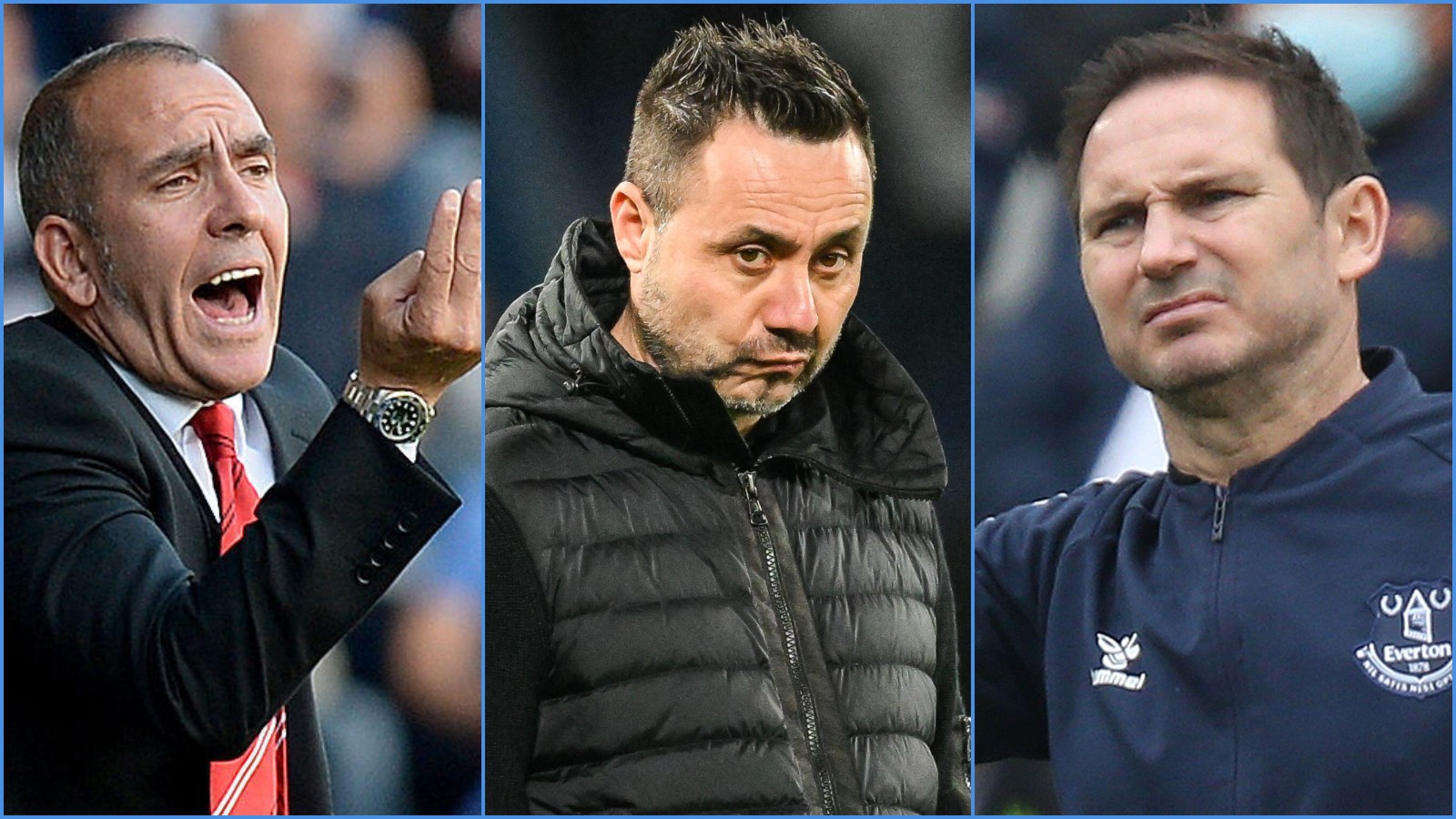
Tottenham's decision to hand Roberto De Zerbi a five-year, £60m contract to salvage their season underscores an uncomfortable truth about modern football: the breed of reliable Premier League firefighter is nearly extinct.
With Spurs languishing in 17th place, just a point clear of the bottom three, De Zerbi inherited a poisoned chalice from Igor Tudor. The appointment sparked inevitable calls for the cavalry—Sean Dyche's name circulated, as did whispers of Harry Redknapp dusting off his tracksuit for a first coaching gig in nine years. Both names carry that familiar air of defensive solidity and pragmatic nous that defines the traditional rescue artist.
Yet here's the rub: even those supposedly bulletproof operators have Premier League relegations lurking on their records. The same goes for the Allardyces, Hodgsons, and Pulises of the world. Every manager synonymous with mid-table salvation has either overseen a top-flight drop or been caught in the wreckage of one.
The truly untouched list—those who've taken over within five points of the drop zone in January or later and never subsequently suffered relegation—reads like a pub quiz answer. The talent pool is laughably shallow.
Oliver Glasner (Crystal Palace, February 19, 2024) arrived with 13 games remaining, inheriting a side 15th and five points adrift. He steered them to 10th by season's end, 23 points clear. The Palace job proved merely an appetiser to silverware—the club's first ever—and a European adventure that's still unfolding, though Glasner often appears more comfortable settling than striking.
Frank Lampard (Everton, January 31, 2022) faced 18 matches and inherited Rafael Benitez's wreckage at Goodison Park. The remarkable achievement? Keeping the ship exactly where it was: 16th, four points clear of the drop. That this was packaged as a "miracle" tells you everything about the desperation at Everton. Predictably, the following season engulfed him in the very flames he'd temporarily held back.
Francesco Guidolin (Swansea, January 18, 2016) took charge with 16 games left, inheriting a team one point clear of 17th. He dragged them to 12th, ten points clear of danger. Curiously, the Italian has barely worked in management since his Swansea sacking nearly a decade ago—still with the Welsh club outside the drop zone when he departed. Whether Bob Bradley's replacement gig wounded his pride remains unclear.
Dick Advocaat (Sunderland, March 17, 2015) had just nine matches to work with, taking over a side one point clear of 17th. He edged them to 16th, three points safe. The Dutchman then resigned the moment Liverpool sacked Brendan Rodgers, apparently deciding he couldn't stomach another season of the same slog. Sunderland had spent three years new-manager-bouncing through relegation scares before finally going down when they actually gave someone a full campaign.
Paolo Di Canio (Sunderland, March 31, 2013) inherited seven games with Sunderland 16th and one point adrift. They finished 17th, three points clear. Di Canio's legacy at the Stadium of Light rests on a victory at St James' Park that secured his standing as a Sunderland folk hero, even if the Italian was eventually prised out rather than departing voluntarily. He hasn't managed since, which suits everyone involved.
Mauricio Pochettino (Southampton, January 18, 2013) arrived with 16 games to play, taking over a 15th-place side three points clear. He finished 14th, five points safe. It was a ruthless call to sack Nigel Adkins, but an undeniably brilliant one—not just for Southampton but for the Premier League itself. Pochettino transformed the club from relegation dogfight to European contender.
Pepe Mel (West Brom, January 9, 2013) inherited 18 matches with Albion 14th and four points clear. They dropped to 17th, finishing three points clear. A trivia stumbling block of the first order.
Lawrie Sanchez (Fulham, April 11, 2007) took over with five games left, inheriting 15th place and four points of safety. Fulham finished 16th, one point clear. Having arrived too late to properly orchestrate a Northern Ireland reshuffle via his club connections, Sanchez simply dragged the Cottagers over the line with victories and draws against Liverpool and Blackburn. He quit his international role to take the job permanently that summer; Fulham rewarded him with a December sacking to make room for Roy Hodgson's great escape act.
Alain Perrin (Portsmouth, April 7, 2005) stepped in with seven matches remaining, taking over a side 16th and four points clear. Portsmouth finished 16th, six points safe. Perrin occupied one filling in Portsmouth's mid-2000s Harry Redknapp sandwich, alongside Velimir Zajec.
Glenn Hoddle (Southampton, January 28, 2000) inherited 16 matches with Southampton 17th and two points adrift. He lifted them to 15th, 11 points clear of danger.
The pattern is stark: the genuine miracle workers are counted on one hand, and most have since either retired or suffered the very fate they once prevented. De Zerbi's appointment represents a genuine gamble—a talented coach, certainly, but one without the proven track record of a traditional firefighter. For Spurs, it's either visionary or desperate. Time will tell which.
Compare options