Spurs' Sunderland Capitulation Confirms Grim Inevitability of the Drop
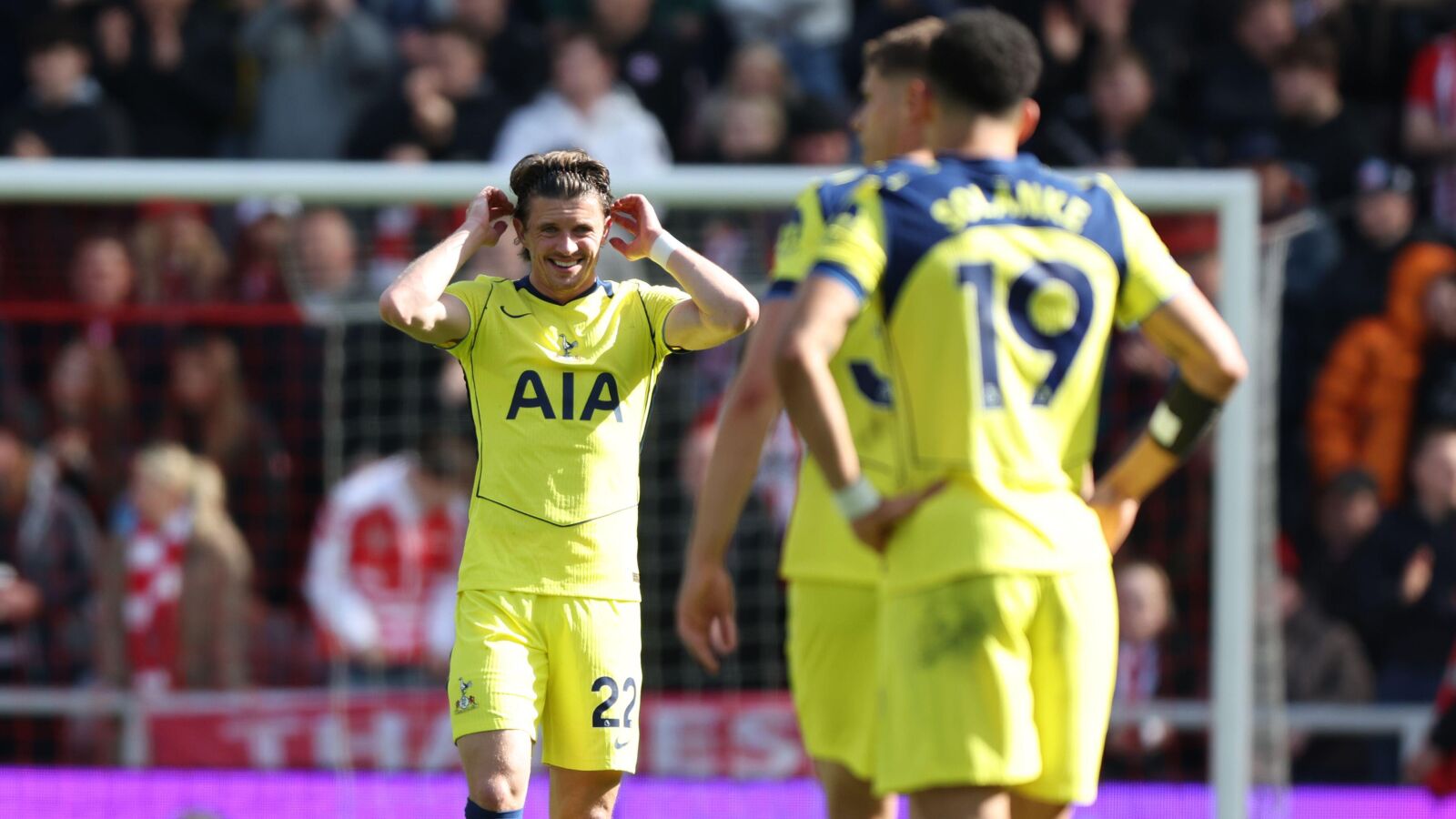
Tottenham's Premier League survival hopes have evaporated on Wearside. What little remained of their mathematical chances of avoiding the most humiliating relegation in English top-flight history departed with them from the Stadium of Light, leaving only the bitter aftertaste of another defeat to contemplate.
This wasn't about the absence of fresh managerial impetus. Roberto De Zerbi's appointment offered genuine possibility—a tangible lifeline for a drowning club. The problem is that even this proved insufficient. This represented their best opportunity, and it has come to nothing.
The culprits in Tottenham's downfall are numerous, though not always where you might expect. Igor Tudor bears some responsibility. Thomas Frank carries considerable blame, though hardly the lion's share. De Zerbi himself cannot reasonably be held accountable for what's about to unfold. Even the players, many of whom are genuinely battling on the pitch, aren't the primary architects of this disaster.
The fundamental issue is straightforward: their collective best simply isn't good enough.
The real villains occupy the executive suites rather than the technical area. Daniel Levy's tenure saw a systematic erosion of squad quality that his successors have only accelerated. They've proven incapable of even maintaining his standards, let alone improving upon them. A decade of allowing the playing squad to gradually deteriorate has finally caught up with the club in catastrophic fashion.
The irony is bitter: Levy's prediction that he'd be appreciated in hindsight appears grimly accurate. With him still calling the shots, Spurs would likely have moved decisively when Frank's incompetence became obvious in November. A prompt managerial change then might have prevented the deepest damage, though probably only postponed the inevitable reckoning.
The Harry Kane factor cannot be overstated. His absence has laid bare the extent to which one exceptional individual was single-handedly keeping this institution competitive. His transformation at Bayern Munich has been remarkable, but preventing Tottenham's slide into the bottom three was scarcely less impressive an achievement. Since his departure, the pattern has been unmistakable: Ange Postecoglou's thrilling opening 10 matches gave way to mid-table mediocrity, then relegation-form football. Three seasons without him have led inexorably here.
Even the Europa League triumph, genuinely uplifting though it was, cannot mask the systematic failures permeating the entire organization. It's almost as though Spurs fans have been granted their wish via a particularly cruel bargain.
The squandering of extraordinary fortune defines this era. To possess the world's finest striker from your academy, then acquire another world-class forward at reasonable cost who inexplicably committed his prime years to this club—only to fritter away such blessings—represents a failure of almost mythological proportions. The investment strategy has been either inadequate or catastrophically misdirected.
Saturday's encounter at Sunderland felt worse in certain respects than the demolition by Nottingham Forest three weeks prior. That hammering could be dismissed as an aberration. This defeat cannot. For sixty minutes, Spurs were genuinely competitive—arguably the better team against opposition who weren't performing. Victory seemed plausible. Richarlison's decision to attempt a backpass rather than shoot on three occasions might have altered the narrative entirely. Brian Brobbey's repeated yellow-card offences without punishment could have changed matters. Even the collective collapse when Sunderland scored in the sixtieth minute felt unnecessarily premature.
Yet this particular timeline has not materialized and will not. The De Zerbi bounce did arrive—this was it. And it proved nowhere near sufficient.
The performance itself was competent enough for an hour in an untidy affair. It represented the best Premier League football Spurs have produced this season. The gap between that standard and what's actually required proved unbridgeable.
Nordi Mukiele's deflected effort—the sort of cruel ricochet that finds doomed teams—crystallized everything. Antonin Kinsky stood helplessly as the ball spun into the net. With over half an hour remaining, everyone recognized the contest was decided. A Premier League team facing a 1-0 deficit with thirty minutes left should at least project the possibility of retrieving something. This Spurs team managed no such impression.
They can win matches, but only when circumstances align almost perfectly. Any adversity—and football inevitably contains adversity—overwhelms them. Their capacity for recovery simply doesn't exist. There's insufficient time remaining for them to manufacture the multiple flawless performances their deficiencies demand.
The combination of genuine ineptitude and accumulated misfortune has created a perfect storm. Cristian Romero departed in tears following an incident with Brobbey, his concerns apparently extending beyond immediate club matters. Even moments of good fortune turn sour: an absurdly awarded first-half penalty was correctly overturned by VAR, yet the corner Spurs should have received instead mysteriously disappeared as well.
These marginal details loom larger when you're this poor and desperately need every scrap of assistance. But let's be honest about the hierarchy of problems: the incompetence matters far more than the unluckiness.
For supporters facing Championship football next season, there's at least one consolation: Don Goodman will be providing co-commentary from the sidelines.
Compare options