Time for Manchester United to Silence the Ghosts of Yesterday
The weight of history sits heavy on Manchester United's shoulders, and it's largely self-inflicted.
Walk through Old Trafford these days and you'll bump into ex-players and ex-managers at every turn, each with an opinion about how things should be done. The narrative is dominated by those who've already had their day, and their constant commentary has become less constructive criticism and more an exercise in clinging to relevance.
When Darren Fletcher took to the microphone for his first interview, his opening gambit was to mention phoning Sir Alex Ferguson for guidance. That single moment encapsulates the problem. Ferguson's shadow looms so large that even the club's current decision-makers can't seem to make a move without checking in with the man who left the building years ago.
The issue crystallised most clearly when Ruben Amorim found himself explaining that he couldn't change his tactical system because doing so would signal to the players that he was buckling under media pressure. Let that sink in. A sitting manager, brought in to drive the club forward, effectively paralysed by the weight of external voices—many of them from within the club's own extended family.
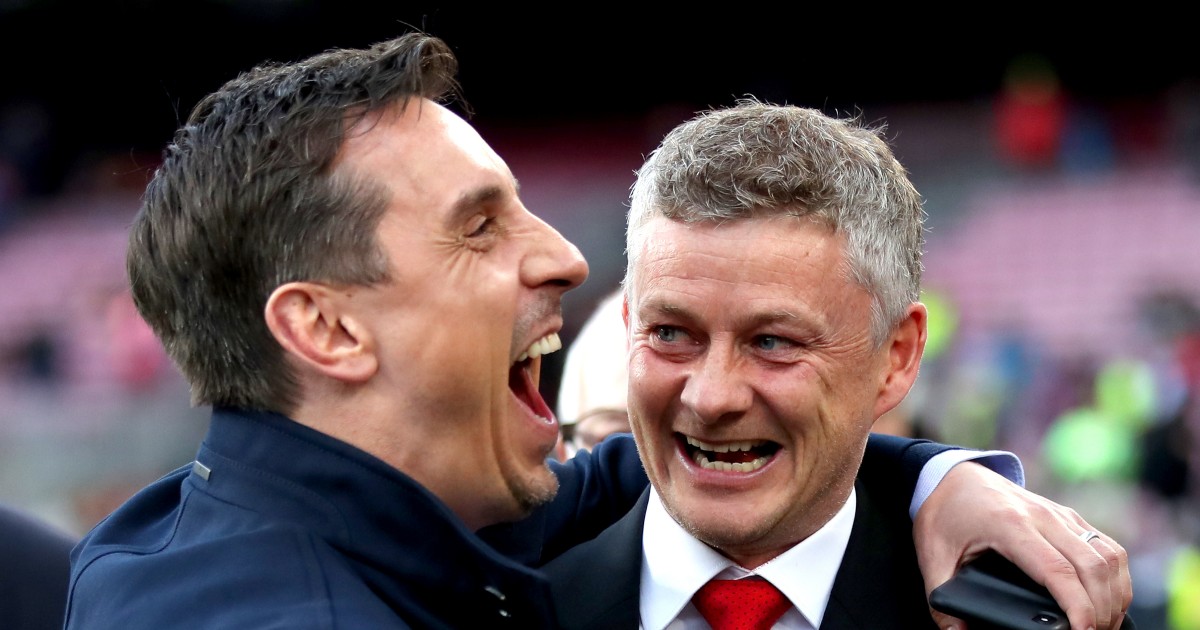
Gary Neville, Roy Keane, and Paul Scholes have made something of an art form out of criticising United's post-Ferguson managers. Amorim wasn't the first to face their scrutiny, and he won't be the last. The only exception? Solskjaer himself, who largely escaped their more cutting remarks because he was "one of us." How convenient.
Here's the uncomfortable truth: the very people dispensing advice about modern football management have spectacularly failed at it themselves. Neville's managerial tenure lasted less than six months with a win percentage that rivals some of the worst records in the game. Keane, meanwhile, burned bridges with the same ferocity he perfected during his playing career. Club legends, undoubtedly. Experts on modern management? Not remotely.
The comparison to Liverpool is instructive. Jamie Carrera remains largely positive about his club, even during their more questionable moments. United's contingent, by contrast, has made negativity their brand. "That's not how we did it in our day" has become the refrain, as if the swashbuckling winger era of the 1990s and 2000s remains the template for modern football. It doesn't. The game has evolved beyond recognition.
The mythology around the "class of 92" still haunts the corridors of power at United. There's a romantic notion that another generation of homegrown talent will simply materialise and replicate past glories. Chelsea could tell you how realistic that fantasy is. The INEOS era needs space to breathe and build something sustainable, not constantly defend itself against the ghosts of yesteryear.
If Solskjaer does return in an interim capacity, his first act should be decisive: create some distance from the noise. Block the socials, if necessary. Let the new manager—whenever they arrive permanently—operate without the constant white noise of former players questioning every tactical decision, every team selection, every strategic choice.
Modern Manchester United looks nothing like the club that Ferguson built. The players are different, the opposition is different, the entire landscape is different. Clinging to nostalgia whilst simultaneously undermining current leadership is no way to move forward. The club's biggest problem isn't on the pitch. It's in the studios and on the social media feeds of those who've already had their time.
At some point, yesterday's heroes need to accept that yesterday has gone. The club needs to be allowed to write its own future without constantly being measured against a past that, however glorious, cannot be recreated.
Compare options