2026 World Cup Heat Could Overshadow the Football Itself, Warns Filmmaker
When supporters start planning their 2026 World Cup adventure, the chat will inevitably turn to England's chances, the expanded 48-team format, and the logistical nightmare of hopping between cities across three nations. But according to filmmaker Alex Moneypenny, there's one factor that might just dwarf all of that: the weather.
After weeks traversing the United States for a new five-part documentary series called Route '26: Losing Sight of Goal, Moneypenny and co-creator Laurence McKenna have identified something that could fundamentally reshape how fans experience next summer's tournament. The heat isn't just uncomfortable—it's potentially dangerous.
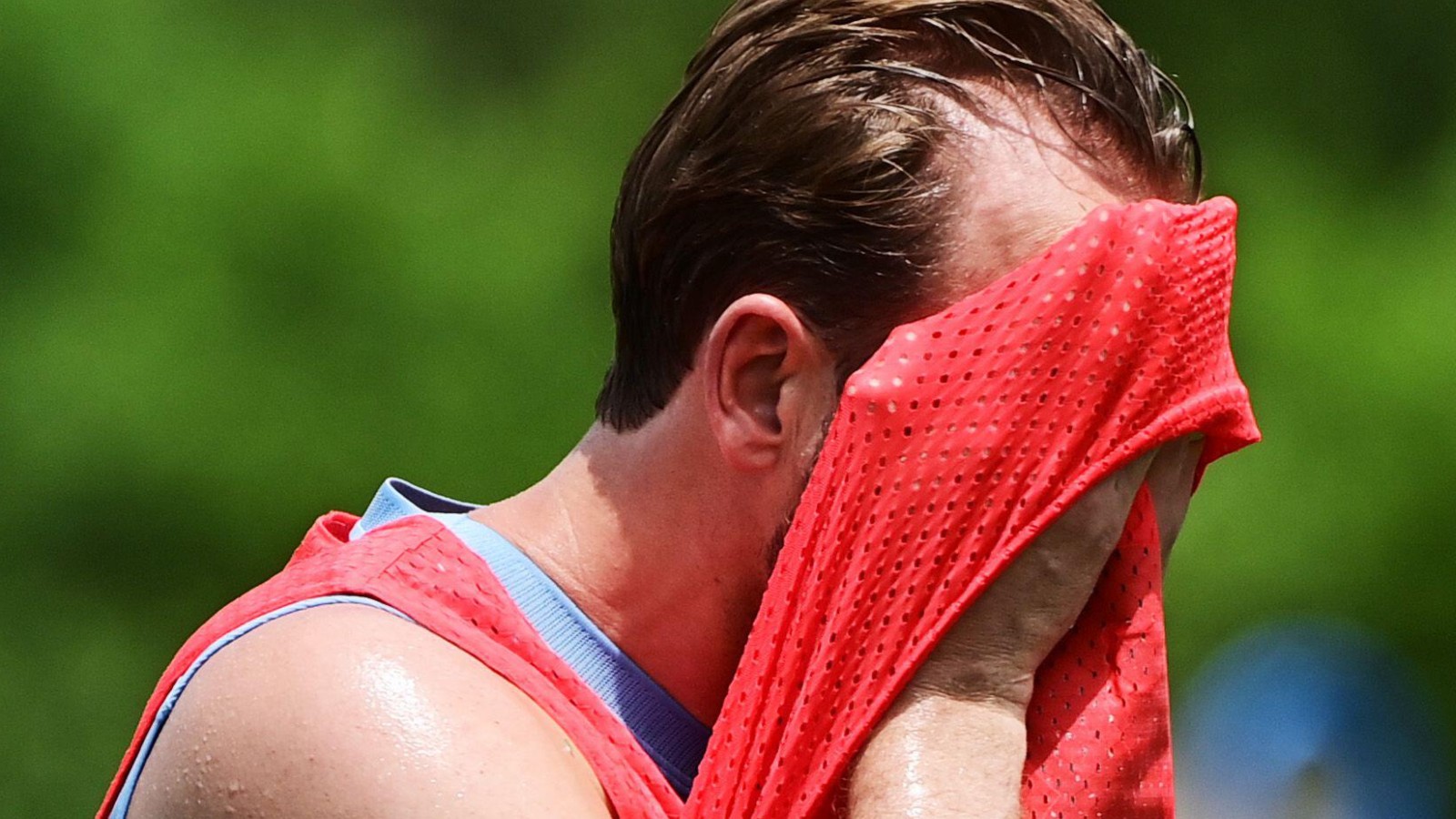
"It feels like being in an oven," Moneypenny describes the conditions he encountered in Phoenix, where temperatures hovered around 39°C even at 7pm during a Rising fixture. For many British football fans reading that, the reaction will likely be a shrug. Hot, sure, but hardly unprecedented. Moneypenny reckons that's precisely where the problem lies.
"People think it's just a bit warmer," he explains. "It's not. It's the dryness of the heat."
The shock hit him almost immediately upon arriving at the stadium. Players were warming up. Families were milling about. Kids were having a kickabout. To Moneypenny, fresh off the plane from Los Angeles, it seemed utterly surreal. "I genuinely thought someone was joking when I was told the players were out warming up," he recalls.
What struck him even more was how locals simply got on with it. They adapted. They played later. They drank more water. They brought cooling equipment. For Arizona residents, this is simply existence. For supporters arriving from England, Germany, or Argentina—places where such conditions are alien—the adjustment will be brutal.
Following your team around a World Cup typically means spending entire days outdoors. Travelling between stadiums. Exploring cities. Standing in fan zones. Consuming alcohol. Walking substantial distances from transport hubs to grounds. Each of those activities becomes exponentially more demanding when the mercury climbs into the high 30s.
During his filming, Moneypenny learned that Arizona residents often begin their hydration routine the day before summer temperatures peak. By matchday itself, it's almost too late. Even light exertion took its toll on him. "After a couple of sprints during a kickabout, my mouth was completely dry. I was constantly drinking water," he notes.
The concern extends beyond mere discomfort. The documentary team consulted experts studying heat exposure and its physiological consequences. The risks don't simply disappear once someone cools down—cardiovascular complications and other health issues can emerge long afterwards.
For travelling supporters, that presents a genuinely troubling scenario.
"If it's played in that sort of heat," Moneypenny argues, "there's almost no point having conversations about anything else. The tactical conversations, the line-ups, all of it becomes secondary because that's what you're battling against."
That applies equally to fans and players. The conditions themselves could become the defining narrative of the tournament.
Beyond the immediate concerns for supporter welfare, Moneypenny sees something larger at play. Football provides a unique lens through which to examine environmental change. Climate discussions typically centre on scientific data, emissions targets, and long-term projections—important, certainly, but often abstract and difficult to grasp.
Football, though, offers something tangible. When rising temperatures affect players, supporters, and matchdays—when communities connected to the sport are already grappling with environmental change—suddenly it feels immediate and real.
"Putting it in football terms is really key," he suggests. "People hear about climate change or two degrees of warming, but conceptualising what that actually means is difficult. Football gives people something they already care about."
During his travels, conversations about wildfires, extreme heat, and vanishing coastlines emerged naturally with people who'd never consider themselves environmental activists. What connected them wasn't ideology or policy, but shared attachment to place, community, and the game.
That's where sport's potential lies. Football cannot single-handedly address climate change, but it can help people understand it. As the world prepares for the biggest World Cup ever staged, that understanding might prove to be its most enduring legacy.
Route '26: Losing Sight of Goal is available to watch on Pledgeball's Instagram and YouTube channels.
Compare options