Scotland's World Cup Hopes Derailed by Toothless Haiti Display
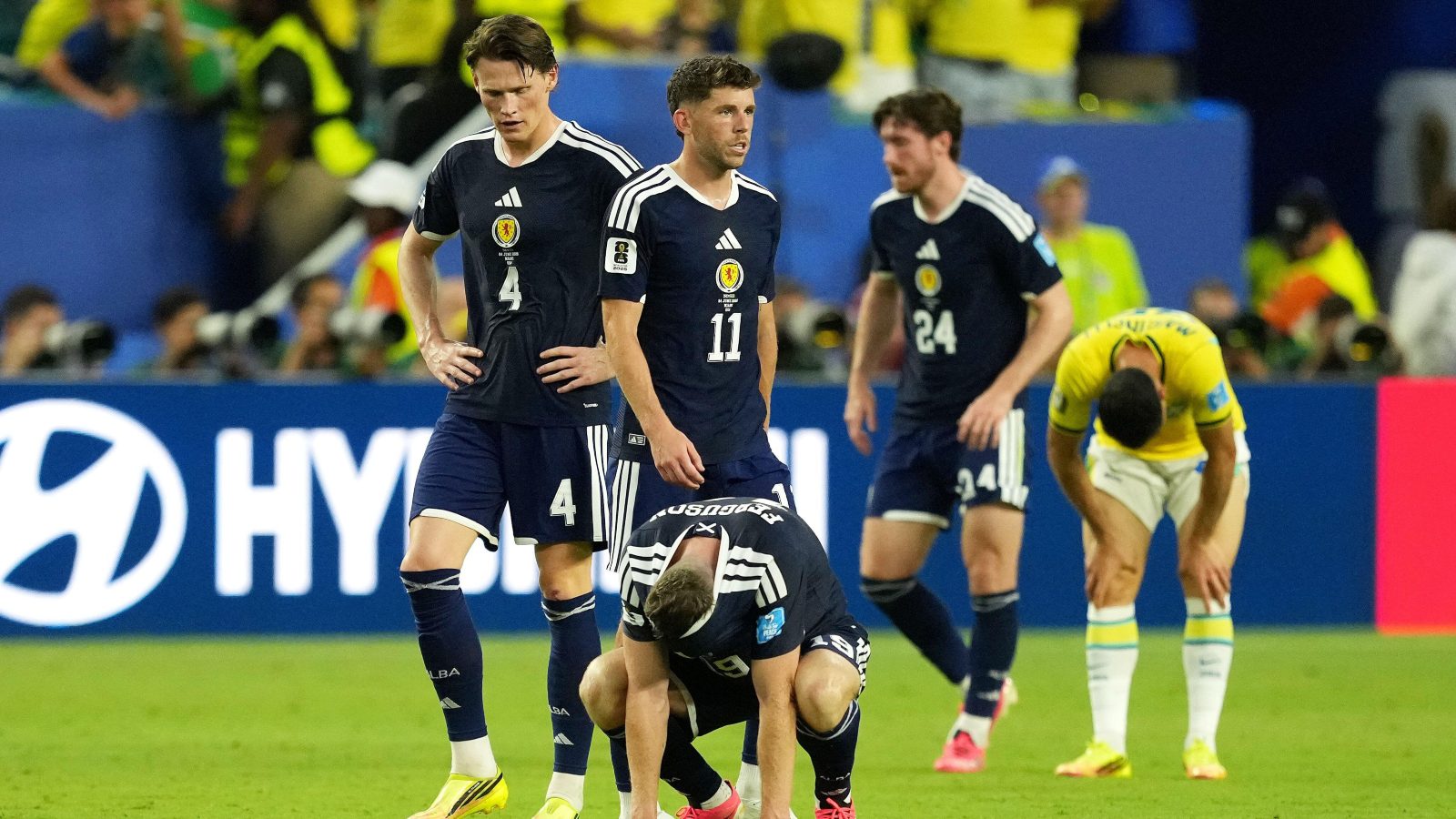
Scotland's path through this World Cup was paved with opportunity, yet they managed to squander it against the one opponent they should have dismantled. A dominant victory over Haiti—the sort of three-goal rout that would have positioned them favourably—has instead become the match that cost them. The contrast is stark: their display against Brazil, for all its shortcomings, hardly matters now. It's the Haiti game that haunts them.
Steve Clarke's post-match demeanour told the story perfectly. Here was a manager seemingly resigned to their fate, pointing to the fact that Ghana and Cape Verde had both managed draws against England and Spain respectively. Yet such observations ring hollow when your own team couldn't finish what should have been a straightforward assignment.
The numbers tell a grim tale. With the handbrake firmly engaged during that Haiti encounter, Scotland now sit at minus-three goal difference and languish in sixth place in their group. A routine victory would have left them with a fighting chance of progression despite a neutral goal difference. Instead, they're staring down the barrel.
The mathematics of their predicament are unforgiving. Should Belgium draw, Scotland drops to eighth. A Senegal win sends them plummeting to ninth. Even a Cape Verde stalemate pushes them to tenth. Only a miracle—and Scottish fans have become well acquainted with miracles being required—offers any realistic route through.
That Clarke was handed a contract extension through 2030 now looks increasingly questionable. How such persistent mediocrity warrants four more years of the same is a question that grows more pressing by the day.
This tournament has proven a disappointment on multiple fronts, with many questioning whether it ranks among the poorest World Cups on record. The lack of genuine jeopardy surrounding the established powers, combined with a shortage of truly memorable moments, has left supporters struggling to find genuine excitement. Not a single world-class goal has emerged to capture the imagination—the sort of strike that transcends the moment and lives in the memory for years to come.
The tournament's economics have also proven troubling. Outrageous ticket prices were supposed to result in empty stadiums during group-stage fixtures, yet bumper crowds have materialised in matches like Jordan versus Algeria and New Zealand against Egypt. These audiences, however, are largely composed of expatriates and wealthy Americans keen to purchase the "experience" rather than genuine travelling supporters. Gianni Infantino's gamble has paid off commercially, but at the cost of pricing out authentic fan bases.
The Portugal match exemplified this shift perfectly. Each time Ronaldo touched the ball, an audible buzz rippled through the stadium—a phenomenon entirely absent from standard Portugal fixtures. This sets a troubling precedent for future tournaments, where the logistics of travel and accommodation may make it more feasible for neutrals to attend than for genuine supporters of participating nations.
England's campaign has generated its own share of controversy and debate. Their display against one disciplined opponent sparked panic among sections of the support, yet perspective suggests that even a defeat in the group stage would have done minimal damage to their knockout prospects. Constant negativity from supporters and media carries consequences; players are not immune to the atmosphere surrounding them, absorbing the criticism and headlines that can erode confidence.
The composition of England's midfield has drawn particular scrutiny. With Bellingham, Anderson, Mainoo, and Rice all occupying the number-eight role, the side lacks a natural playmaker capable of unlocking compact defences. Morgan Rogers and Eberechi Eze represent the squad's only genuine number-tens, which partly explains the difficulties encountered against Ghana.
Questions have also emerged regarding player rotation. Figures like Rice and Kane cannot reasonably be expected to complete eight matches in rapid succession without suffering fatigue. With qualification effectively secured, resting key personnel ahead of the Panama fixture makes tactical sense, particularly given the potential for five knockout matches, each potentially extending into extra time.
Meanwhile, the transfer market continues its familiar pattern of inflating mediocrity into perceived genius. Last summer's striker market saw astronomical fees for players like Isak, Ekitike, Sesko, and Gyokeres—most of whom have since failed to justify their price tags. Twelve months on, the same circus revolves around midfielders, with Mattheus Fernandes, Enzo Fernandes, Elliot Anderson, Alex Scott, and Sandro Tonali commanding eye-watering sums. Premier League clubs, as ever, appear destined to fall for the con.
Compare options