Sacked Managers Left Red-Faced as Their Rejected Signings Prove Board Was Right All Along
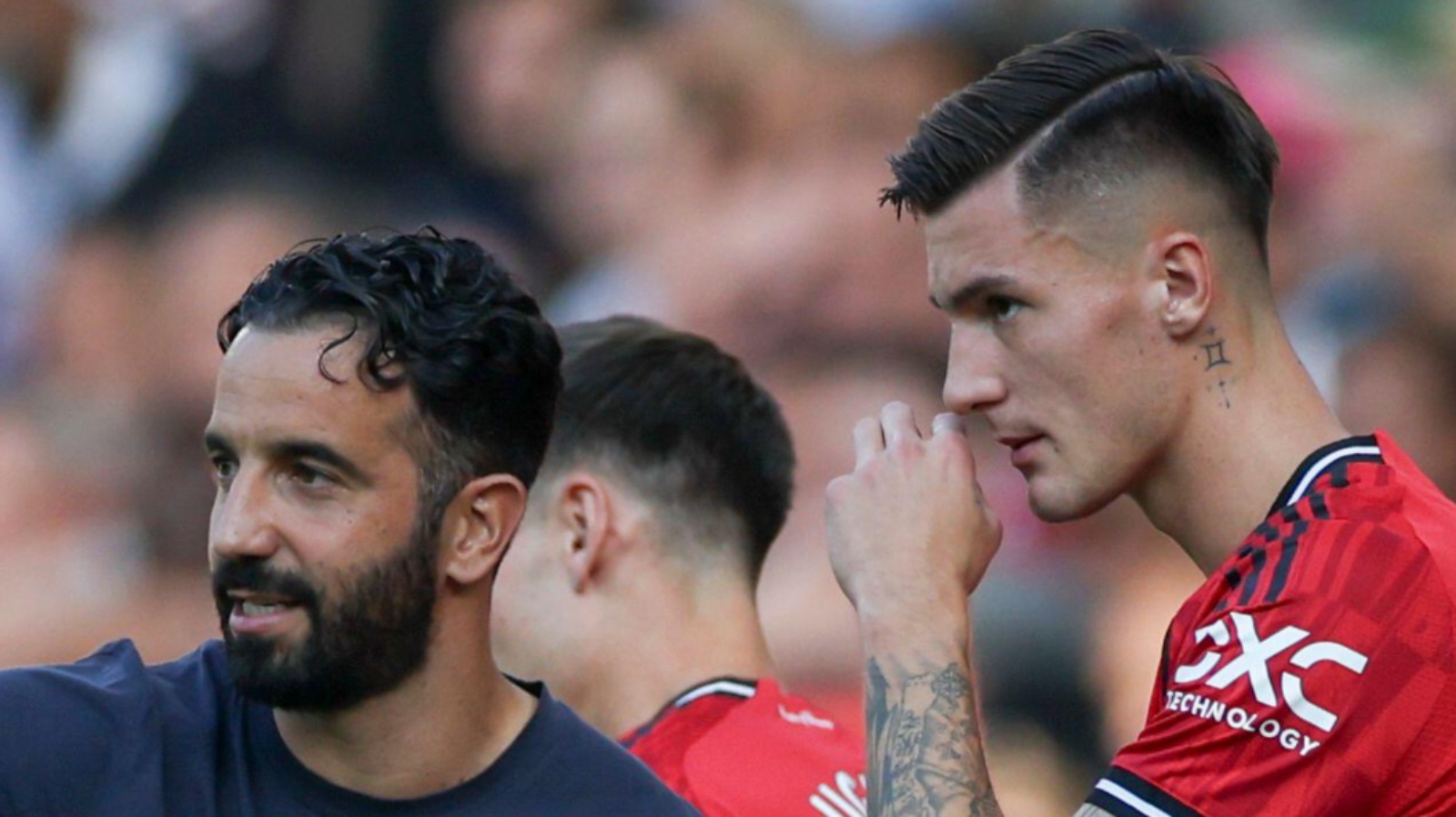
The embarrassment of rejection stings twice as hard when you're watching from the sidelines. Three sacked managers have learned this lesson harshly this season, their transfer ambitions thwarted by boardroom resistance that now looks increasingly prescient.
The Martinez That Never Was
Ruben Amorim made his feelings about Manchester United's goalkeeper situation abundantly clear, even taking a subtle swipe at the board's decision-making in October. He wanted Emi Martinez between the sticks, but the hierarchy drew a line and refused to bankroll what would have been an expensive, high-profile acquisition.
Instead, they persisted with Senne Lammels—a choice that required patience through the Belgian's early stumbles. Yet that restraint has paid dividends. The goalkeeper's understated, quietly commanding presence has vindicated the club's resistance to Amorim's demands, particularly when you consider Martinez's well-documented talent for generating headlines through his brand of theatrical gamesmanship.
Amorim's October observation that "it is hard to be a Manchester United goalkeeper in this moment" was pointed enough, especially following errors from Altay Bayindir and Andre Onana that had complicated the club's early campaign. The Portuguese boss suggested switching keepers might solve deeper problems, but Manchester United's actual change—swapping Martinez for Lammels—has produced the kind of steady reliability that doesn't sell newspapers.
The Watkins Gamble That Wasn't
Much of the credit for Manchester United's summer recruitment has been measured carefully, given what came after Amorim's departure. The push for proven Premier League quality brought Bryan Mbeumo and Matheus Cunha, transformers of an previously ineffective attack.
Yet the striker equation proved the real test. Amorim favoured Ollie Watkins; the board backed Benjamin Sesko instead. It was an odd narrowing of options—two such contrasting profiles for a single position—but Manchester United's gamble on youth and potential over established commodity has already paid dividends. Sesko's seven Premier League goals arrived across 1,135 minutes for fourth-placed United, while Watkins managed eight in 2,001 minutes for third-place Aston Villa.
The mathematics speak clearly: Manchester United got their sums right.
Wolves' Tall Tale
Wolves deserve considerably more ridicule than they've received for sacking managers within months of handing them long-term contracts in consecutive seasons. They deserve even more for granting Vitor Pereira such sweeping control over transfer policy—a control that set them irreversibly toward the Championship.
Pereira and director of football Domenico Teti departed in November, yet their fingerprints remain all over this disastrous campaign. Their vision emphasised tall, athletic recruits, none with Premier League experience. Executive chairman Jeff Shi described it as "a good window" built on Pereira's philosophy and vision.
The problem? That philosophy proved spectacularly misguided. Wolves rejected potential domestic signings, including the 5ft 8ins Harry Wilson. The Welshman has delivered eight goals and five assists in the Premier League this season—a return no Wolves player has come remotely close to matching. Wilson even netted in the match that sealed Pereira's managerial fate.
Forest's Folly
Sean Dyche's tenure at Nottingham Forest should finally bury the myth that his coaching style is merely a product of squad limitations. Given better players, he would play expansive football, the theory went. It didn't take long to disprove that notion.
Forest spent nearly £200m in the summer, arguably more aimlessly than any club in recent memory. Yet Dyche inherited genuinely talented players and was sacked largely for making them run themselves ragged. His reported transfer targets only reinforced how narrow his imagination truly was. He coveted powerful, battle-hardened Premier League operators—his former Burnley pupil Dwight McNeil, Newcastle's Nick Pope, and Brighton's Jack Hinshelwood and Lewis Dunk.
Forest, to their credit, decided they'd rather face the drop than invest £20m-plus in any of them. When you're the least sensible decision-maker in a room containing Evangelos Marinakis, something has gone catastrophically wrong.
Compare options