Five Premier League Blunders: From Amorim's Mainoo Snub to Spurs' Relegation Drift
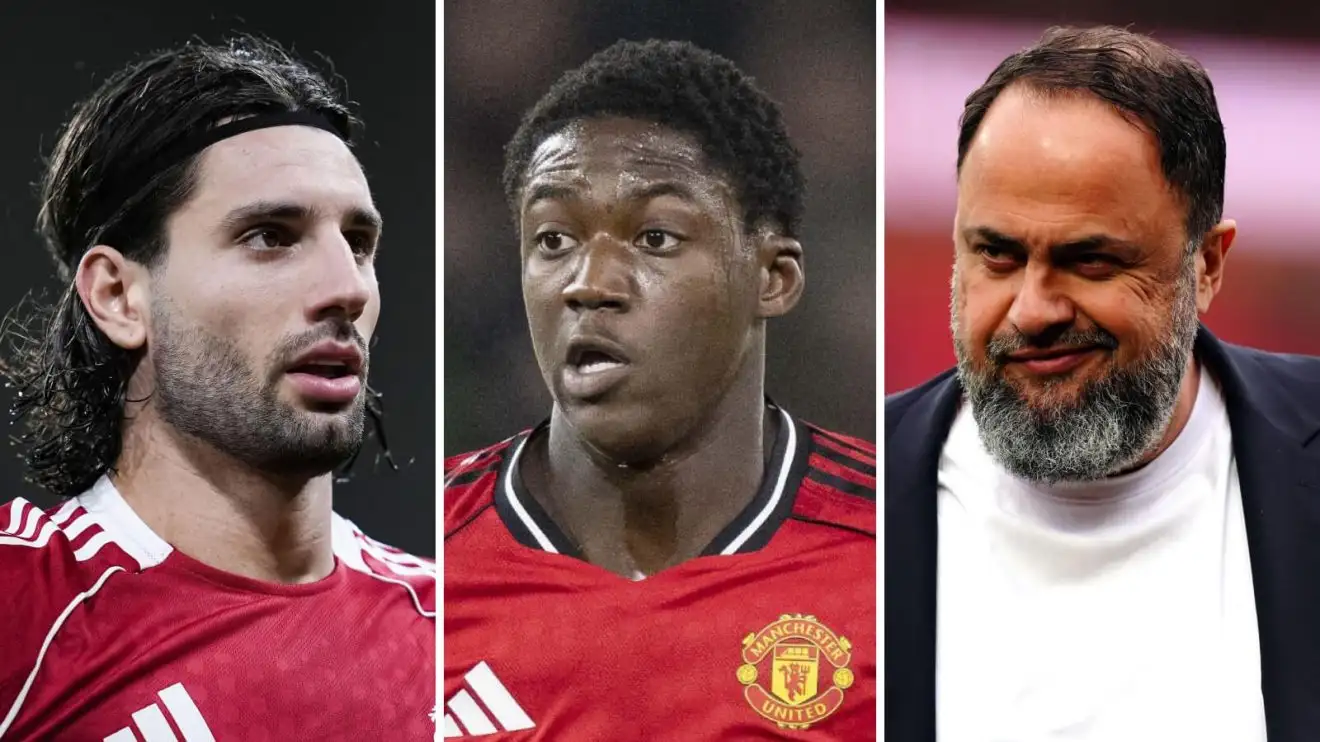
This season has served up a particularly rich helping of questionable decisions across English football's top flight. Here are five decisions that make you wonder what the people in charge were thinking.
The Mainoo Misjudgement
Perhaps the most glaring miscalculation belongs to Ruben Amorim and his perplexing handling of Kobbie Mainoo. The numbers tell a damning story. During Amorim's tenure, Mainoo featured in none of Manchester United's opening 21 Premier League matches—a run that yielded just eight victories. Since Michael Carrick took over, the midfielder has started all four subsequent league games, with United winning every single one.
The contrast extends to playing time. Mainoo has already accumulated more Premier League minutes under Carrick than he managed under Amorim all season. His longest outing with the previous manager came when he replaced an injured Mason Mount at half-time against Burnley last August. Otherwise, he existed on the periphery: thirteen minutes here, seven there, twenty-four against Brentford if fortune smiled.
The decision made little strategic sense. United's results were frequently poor, and their midfield represented a genuine problem area, with Manuel Ugarte struggling and Casemiro operating on fumes. Had Amorim remained in post, Mainoo would likely have departed on loan to the continent by now. Instead, he's become central to Carrick's refreshingly straightforward approach—simply picking the best players available in their proper positions. Watching Mainoo orchestrate proceedings against a self-destructing Spurs side on Saturday lunchtime only reinforced how thoroughly Amorim got this wrong. United supporters should count themselves fortunate Amorim departed before inflicting further damage.
Marinakis and Nuno's Downfall
Nottingham Forest's collapse was telegraphed from the moment the season kicked off. Owner Evangelos Marinakis spent the summer drunk on his own importance following successful manoeuvres over European football qualification and the Morgan Gibbs-White situation. That energy—the desire to be the main character in every story—spelled trouble for Nuno Espirito Santo from the outset.
A misleading opening victory over Brentford masked the underlying tensions. Two winless matches followed, accompanied by more grumbling about transfers and a general sense of discord. Nuno didn't survive the first international break. Ange Postecoglou arrived as Marinakis' second refusal to accept reality this season. At least he acted quickly, even if the decision to sack Nuno represents an unnecessary squandering of last season's considerable progress and goodwill.
Spurs' Slow-Motion Catastrophe
Tottenham's descent into genuine relegation peril has been unfolding for weeks, yet sections of the media have only recently grasped the severity. One Telegraph piece breathlessly suggested that defeat to Newcastle might signal relegation is becoming realistic—as though this wasn't already blindingly obvious several weeks ago, back when the club still had a functioning transfer window.
The statistics are stark: two league victories since October. Thomas Frank has spent the past couple of months spouting nonsense about performances and keeping the ball out of the net, nodding along with a credulous press pack. But the real problem runs deeper. Spurs' new decision-making structure appears staffed by individuals of questionable competence. Fabio Paratici, supposedly staying through January, somehow departed for Fiorentina while five fresh signings arrived at his new club.
Frank has cut an increasingly muddled figure—uninformed in press conferences, oblivious enough to use an Arsenal-branded coffee cup at Bournemouth, and increasingly prone to saying foolish things. Yet he's shrewd enough never to challenge the fragile egos of the administration. The extraordinary thing isn't that Spurs might go down; it's that they've done precisely nothing to prevent it. Defeat to Newcastle might not even trigger action. Neither would slipping into the bottom three, which is now just three games away.
Szoboszlai's Right-Back Experiment
Dominik Szoboszlai is undoubtedly capable of playing right-back. That doesn't mean he should. Arne Slot appears determined to recreate the Trent Alexander-Arnold magic by deploying another gifted playmaker in that role, but the recipe simply doesn't translate so easily.
Slot's hand has been forced by injury constraints, yet shoehorning a supremely talented attacking midfielder into a defensive position achieves the worst of both worlds—diminished attacking prowess and increased defensive fragility. Szoboszlai's ability to treat long-range free-kicks as penalties counts for little when he's caught out of position, playing opponents onside before foolishly earning suspension over a non-issue. At least it's turned a few more people against VAR. But this experiment needs ending.
Palace's Self-Sabotage
Crystal Palace deserved credit for standing firm against Liverpool's late summer pursuit of Marc Guehi. Their error came afterwards, when they buried their heads in sand for four months and expressed shock at Oliver Glasner's frustration over a lack of backing.
Palace couldn't keep Guehi forever, nor could they retain Glasner indefinitely. But through a combination of circumstance and choice, they've allowed a genuinely exceptional breakthrough season to crumble into nothing. Signing Brennan Johnson and Jorgen Strand Larsen—three Premier League goals between them—seems unlikely to reverse a slide that feels preventable and wasteful.
Compare options