Saudi Arabia's Youth-First Strategy Threatens to Derail Salah Switch
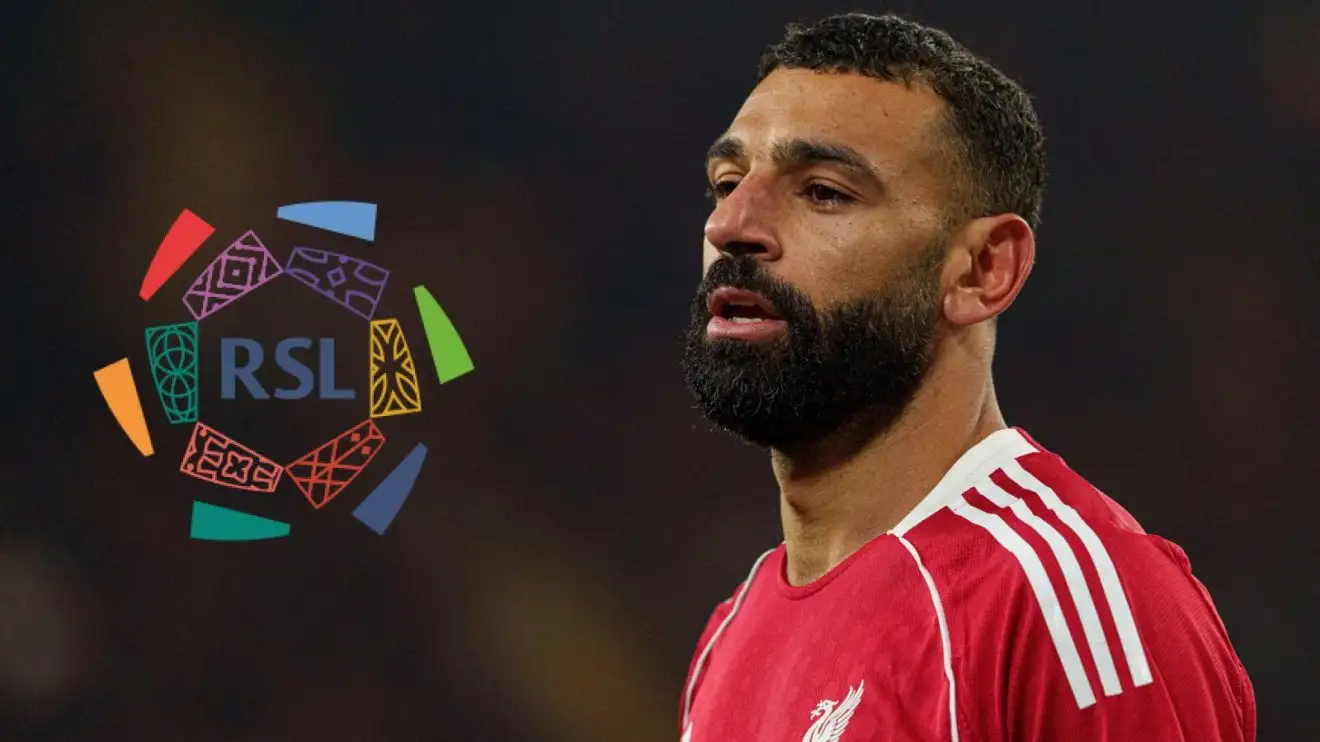
The Mohamed Salah saga rumbles on. For years, a transfer to Saudi Arabia has felt like an inevitability waiting to happen, yet here we are in 2026 and the Egyptian is still a Liverpool player. Recent developments suggest that wait might extend considerably further.
The wheels appeared to be turning in earnest during January, particularly after Salah's eyebrow-raising comments regarding his future at Anfield back in December. Instead, he's been restored to Arne Slot's XI and promptly demonstrated his worth with a goal in the club's commanding 6-0 Champions League demolition of Qarabag on Wednesday. A deadline-day exit always looked unlikely, and it duly didn't materialise.
The real spanner in the works, however, comes from Saudi Arabia's end. The Pro League has reportedly undergone something of a philosophical shift, now prioritising the recruitment of younger talent rather than continuing its established pattern of chasing ageing superstars. The new blueprint, it seems, targets players aged between 21 and 30 — a fairly significant recalibration from the days of lavish contracts for veteran names.
At 33, Salah doesn't fit neatly into this framework. Yet the exception may prove the rule. Keith Wyness, the former Everton executive, reckons the Saudi hierarchy still sees Salah as the ideal candidate to inherit the mantle left by Cristiano Ronaldo as the league's flagship attraction. His profile — an Egyptian Muslim and genuine world-class operator — carries considerable appeal beyond mere sporting credentials.
The thinking behind Saudi Arabia's policy shift is straightforward enough: the initial wave of big-name signings saw their contracts approaching renewal, prompting a rethink. Rather than perpetually chase aging talent, the league wants to establish genuine competitive credentials whilst building a younger core. It's a maturing strategy, in theory at least.
Whether Salah makes the move this summer or remains at Liverpool for another campaign remains genuinely unclear. But if the Saudis are serious about their youth-first approach, the 33-year-old would need to represent a genuine exception to the rule — albeit one they might well make.
Compare options