Squad Numbers Don't Tell the Whole Story: Rogers Could Still Start for England Despite Bellingham's No. 10
We've entered World Cup territory now, and with it comes the familiar circus: FIFA publishes squad numbers on schedule, the media collectively decides to call it a "leak," and suddenly everyone's an expert on how shirt numbers work.
Throw in the usual pre-tournament English doom-mongering and some creative accounting from the tabloids, and you've got the perfect storm of nonsense that makes you genuinely grateful that matches will finally start and cut through the noise.
The Numbers Game
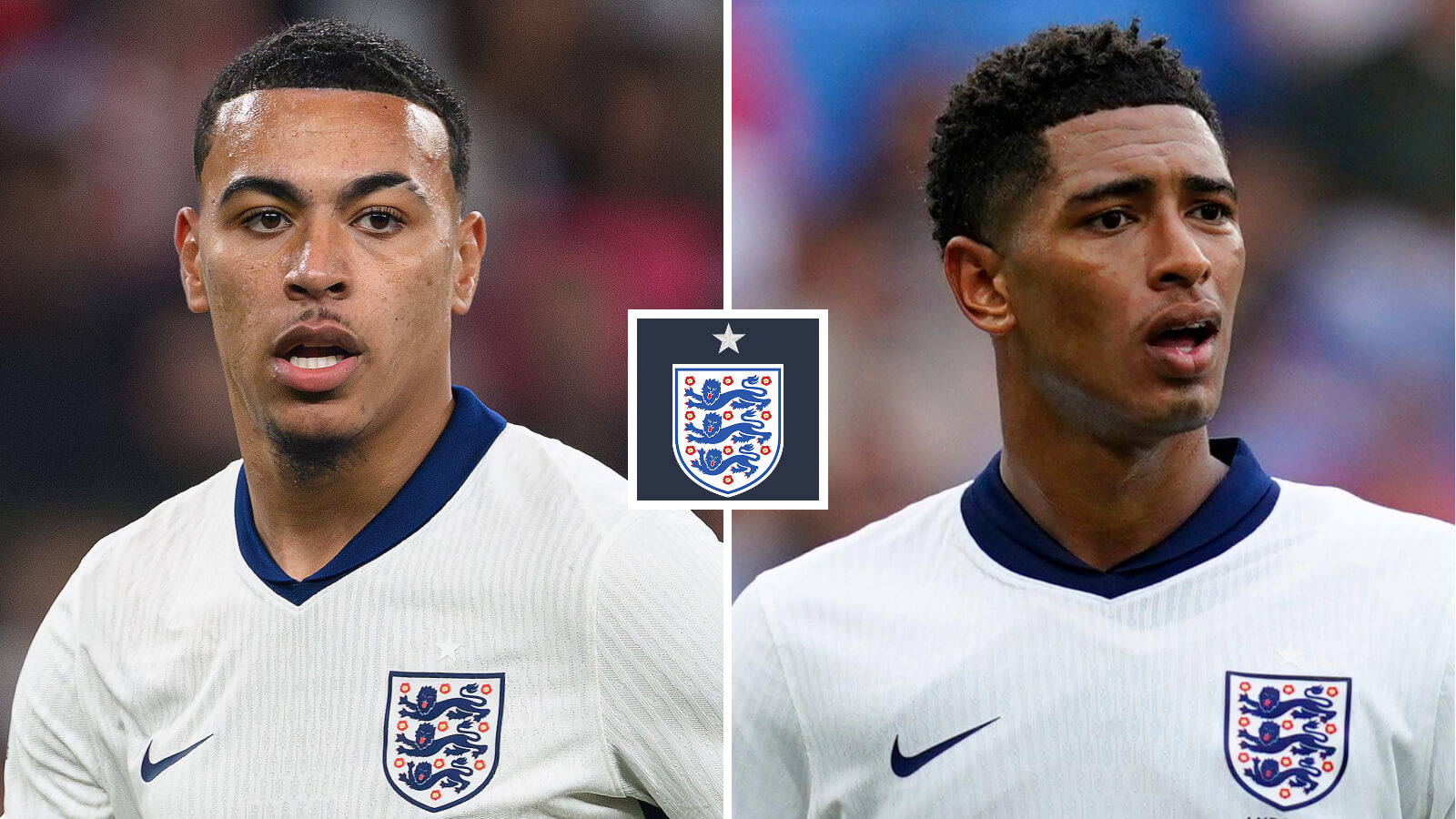
FIFA released England's 26-man squad numbers, and the coverage has been predictably overwrought. The headline narrative? Jude Bellingham has "exactly what he wants" by receiving the No. 10 shirt—the very same number he wore at Euro 2024.
Let's be clear: this tells us something, but perhaps not what everyone thinks it does. Yes, Bellingham is the likely starter ahead of Morgan Rogers in that position, but that was the established wisdom before anyone knew what shirt numbers would be assigned. The No. 10 doesn't guarantee anything. Bellingham could start, Rogers could start, or England could line up in a completely different formation altogether.
Similarly, Marcus Rashford getting the No. 11 shirt doesn't mean Anthony Gordon is locked out. Reece James wears No. 24—the same number he sports for Chelsea. Ezri Konsa has been handed No. 2, which Kyle Walker wore in recent tournaments under Gareth Southgate. John Stones gets No. 5, while the central defensive positions remain genuinely open with Konsa and Marc Guehi probably favourites to start.
So here's the thing: squad numbers can be telling, or they can be utterly meaningless. It depends entirely on whether you're trying to sell a story.
The Bold Pick That Isn't
Alan Shearer apparently wants Thomas Tuchel to pick Morgan Rogers ahead of Bellingham for the No. 10 role—a suggestion that prompted The Sun to helpfully remind readers that yes, it's still technically possible to do this despite the squad numbers.
Remarkable, isn't it? All these years, and apparently nobody realised the starting XI doesn't have to be players numbered 1 through 11. The fourth estate has collectively decided that squad numbers are some newfangled concept requiring urgent explanation, rather than a system that's been standard practice for decades.
The Weather Forecast Nobody Else Gets
The Mirror's story about potential thunderstorm delays affecting England matches at the World Cup isn't wrong, exactly. FIFA will indeed prioritise delays over rearrangements due to scheduling constraints. But here's the thing: every team could face HUGE delays if thunderstorms hit. That's what thunderstorms do. They delay matches. For everyone.
Yet the way it's been framed, you'd think England has uniquely vulnerable fixtures. The real questions—why this tournament is scheduled during peak thunderstorm season, or why there's zero flexibility in a schedule that follows another gruelling club season—seem to have been quietly shelved.
The Manchester United Windfall That Isn't
The Daily Express headline screams: "Man Utd set for huge £263m boost at perfect time for Michael Carrick and INEOS."
That's simply not true. What's actually happening is that FIFA is distributing £263.6 million across all clubs whose players are involved in the World Cup. Manchester United will receive a share—just like every other club with squad members in the tournament.
The Express does eventually admit this in the article itself, noting it's a pot that clubs "supplying players to the World Cup" will share. Yet the headline remains deliberately misleading, suggesting United alone are getting this windfall.
For context, using the daily rate from Qatar 2022 (approximately $10,950 per day), United would broadly estimate to earn around three-and-a-half million pounds. Decent money, certainly, but hardly a "huge boost" when divided across a club of that size. Not quite as exciting as the headline implies, though, is it?
This is the state of World Cup coverage: squad numbers treated as prophecy, weather patterns as uniquely English problems, and financial distributions presented as club-specific bonanzas. Roll on the first whistle.
Compare options