Rio Ferdinand's Latest Disconnect: The Hydration Breaks Blunder
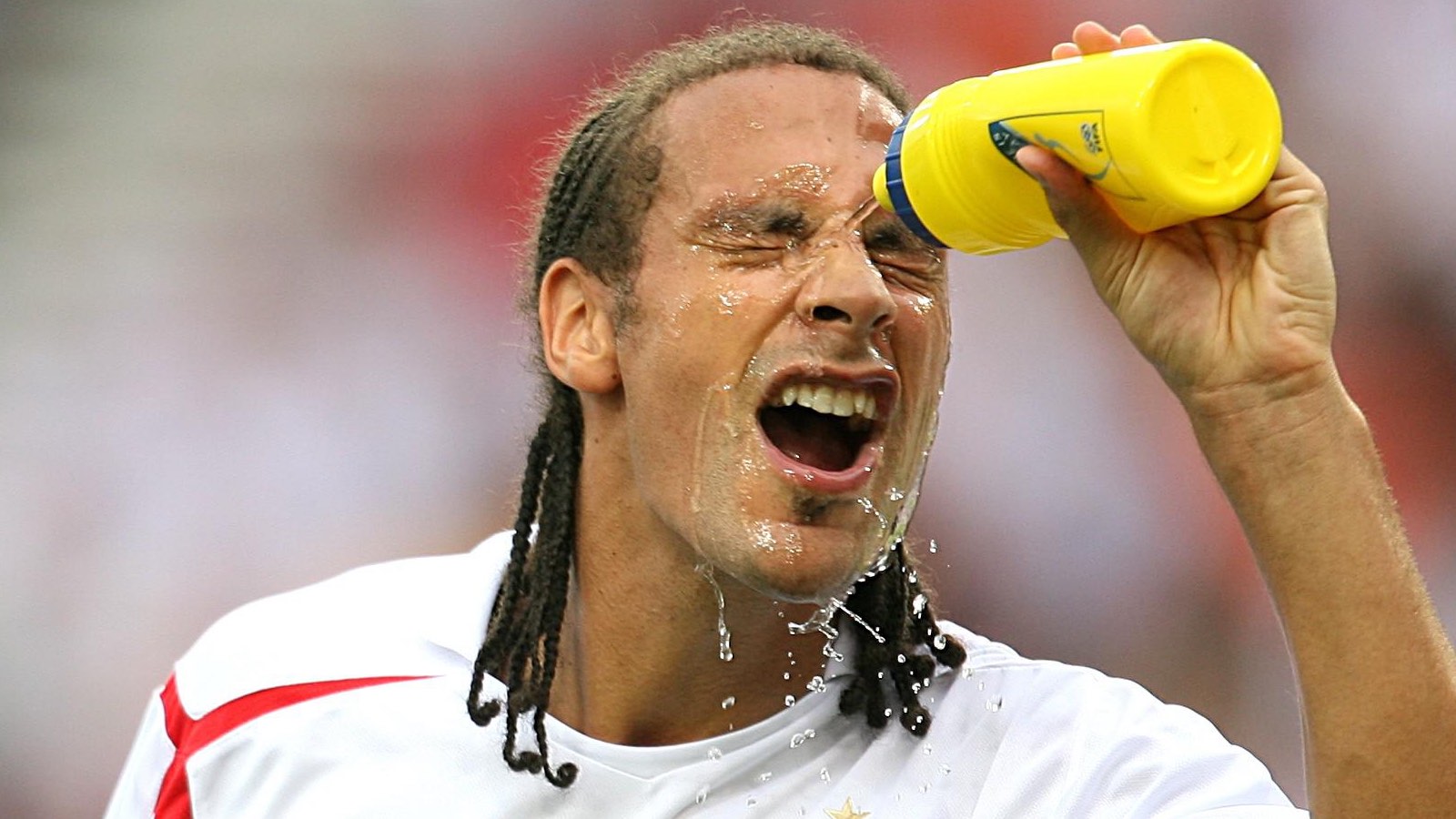
Rio Ferdinand's attempts to position himself as a voice for the grassroots have taken another tumble, this time over the increasingly contentious issue of hydration breaks at international tournaments.
The pundit, who previously found himself caught awkwardly between defending World Cup ticket prices and expressing sympathy for priced-out supporters, has now waded into the hydration break debate with similarly tone-deaf reasoning.
Ferdinand initially rehashed the now-familiar excuses for eye-watering ticket costs, pointing to inflated hotel prices as justification for FIFA's revenue-maximising approach. He did briefly acknowledge the disconnect: "It takes so many different football fans out of the equation to have the ability to watch a game, which isn't nice. This is the people's sport, but when you price people out of it, then it becomes something different."
Yet when it comes to the scheduled interruptions that have dominated tournament conversation—overshadowing even the Messi versus Ronaldo discourse—Ferdinand has swallowed FIFA's line whole.
England manager Thomas Tuchel has been among those voicing serious reservations. "I think that it interrupts and changes the identity of a football match much more than I thought," he explained. "They break the match almost in four quarters. And I think it changes the characteristic of the match more than I thought."
The breaks fundamentally alter football's rhythm, yet they persist regardless of genuine necessity—a reality that benefits broadcasters and the advertising revenue their commercial breaks generate.
FIFA president Gianni Infantino has mounted a defence, suggesting the stoppages allow coaches to reassess and players to return "in full speed." On the fairness question, he argued that restricting breaks to genuinely hot matches would create an uneven playing field across different fixtures.
Ferdinand, however, has essentially become Infantino's mouthpiece on the matter. "They're not affecting the game that much," he insisted, before floating the prospect of Premier League adoption—but here's where his "man of the people" credentials truly crumble.
"If all these players and these countries and these federations want the money, you've got to do a few things a bit differently," Ferdinand reasoned. "There has to be a bit of give and take somewhere. This is something I see maybe happening further around. It could go into the Premier League or La Liga, etc. Because it's more money."
He then posed a hypothetical: what if the breaks generated an extra hundred million for FIFA? In that scenario, he suggested, the Premier League would inevitably follow suit. "I don't blame them," he added.
Most football supporters down the pub would beg to differ. The prospect of further commercialisation—of matches carved into quarters for advertising convenience, of sponsorship creeping into every conceivable moment—represents precisely the opposite of what fans actually want from the game they love.
Compare options