Premier League's Mounting Crisis: Why Fans Are Turning Against the Product
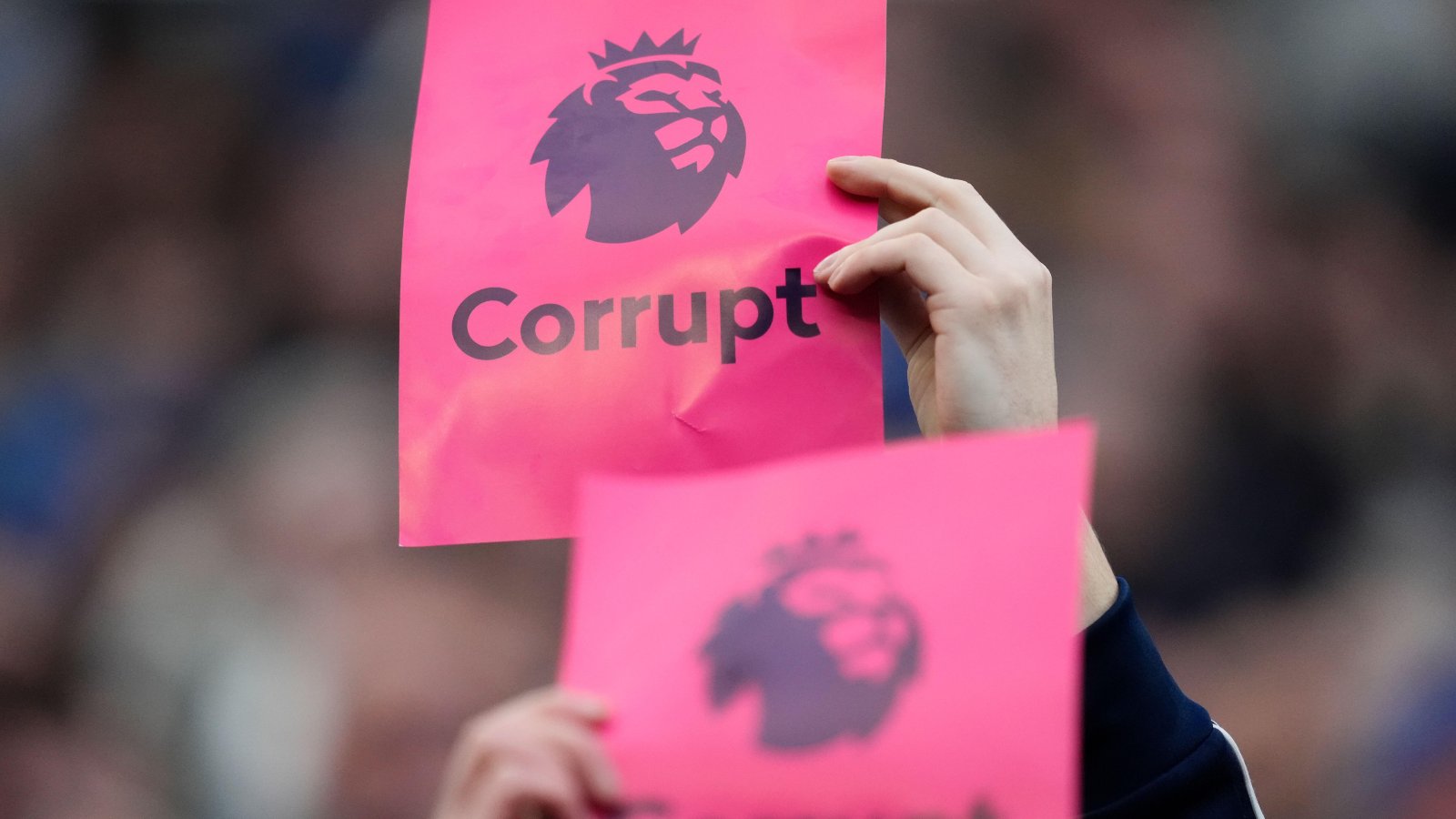
The discontent coursing through English football reaches fever pitch. Everton supporters booing the Premier League's pre-match music isn't mere theatre—it's a symptom of something far deeper: a widespread conviction that the competition's governing body operates as a closed shop, dispensing justice according to a club's bank balance rather than principle.
The evidence sits uncomfortably on the record. Manchester City face accusations of financial misconduct yet face no meaningful consequences, while Everton absorbs points deductions and Chelsea receives a fine that barely registers. This isn't interpretation; it's mathematics.
The Premier League has constructed the world's wealthiest league, yet fails to translate that riches into European dominance. When thirty of the planet's richest football institutions cannot win the Europa League or Conference League, what exactly justifies their privileged status? The answer, increasingly, appears to be nothing.
Domestic tyranny comes with a price. The competition has permitted nation-state ownership, welcomed proprietors saddling clubs with crippling debt while treating them as personal piggy banks, and fragmented the fanbase by scattering broadcasting rights across an ever-expanding menu of subscription services. The financial gulfs have become so vast that even in optimistic scenarios, four or five sides monopolise contention—everyone else merely scraps for scraps. Aston Villa managed it, but only after investing £640 million across five years.
Then there's VAR. The technology promised clarity; instead, it's delivered the opposite. Refereeing has deteriorated visibly, generating fresh grievances at every turn. Stadiums groan at corners now—not from anticipation, but from dread at the sight of fifteen bodies crammed into the six-yard box.
For someone tracking football closely since 1969, the volume of voiced frustration stands unmatched. The football itself has become something fans resent paying premium prices to witness. The architecture that shapes how teams play—the economics that underpin everything—has poisoned the product.
The skewed financial model has eviscerated cup football. When the serious money concentrates in the league, why would elite clubs care about knockout competitions until the final stages? Yet because they possess the resources, they still usually win anyway. Sunday's League Cup final—a soulless encounter between two sides that left most observers feeling robbed—embodied this dysfunction perfectly. A pundit declared it less significant than a Spurs league fixture. That's how thoroughly the competition has been stripped of status.
The spectacle on display: Trumpian self-congratulation, congested dead-ball situations, aimless long-ball football, and commentary that dresses up mediocrity as compelling theatre. When Gary Neville called the first half "intriguing," the gap between commentary and reality yawned open.
Championship supporters increasingly fear promotion. Winning the division carries appeal, but the prospect of scraping by with nine victories and eight draws across a season offers nothing. That's how poisonous the Premier League has become to many.
The toxicity spreads downwards. Championship clubs, desperate for promotion, gamble their finances on inflated wages. Financial inequality manufactures this madness.
Here's what Premier League executives perhaps don't grasp: the depth of antipathy towards their creation. Football operates differently from normal commerce. Fans continue attending and spending even when the product disappoints. They can forget the dysfunction for ninety minutes—at least until wrestling erupts at set pieces. Some fixtures, like the Tyne-Wear derby, transcend the broader malaise. But don't mistake attendance for endorsement.
This season, north London's joy has stemmed largely from schadenfreude watching Spurs implode rather than genuine pleasure in Arsenal's achievements. Witnessing a wealthy institution suffer feels like twisted recompense.
If patterns persist, expect VAR to become progressively "lighter touch" until the Premier League can quietly abandon it without admitting defeat. Expect "innovations" designed to retain viewers without fundamentally altering the model that generates profits. Cosmetic reform preserving the system—that's standard procedure, and it works temporarily.
Yet as Hemingway observed, bankruptcy arrives gradually, then suddenly. Patience, after all, isn't infinite.
Compare options