The Premier League's Managerial Chaos: Full Rankings of All 28 Bosses
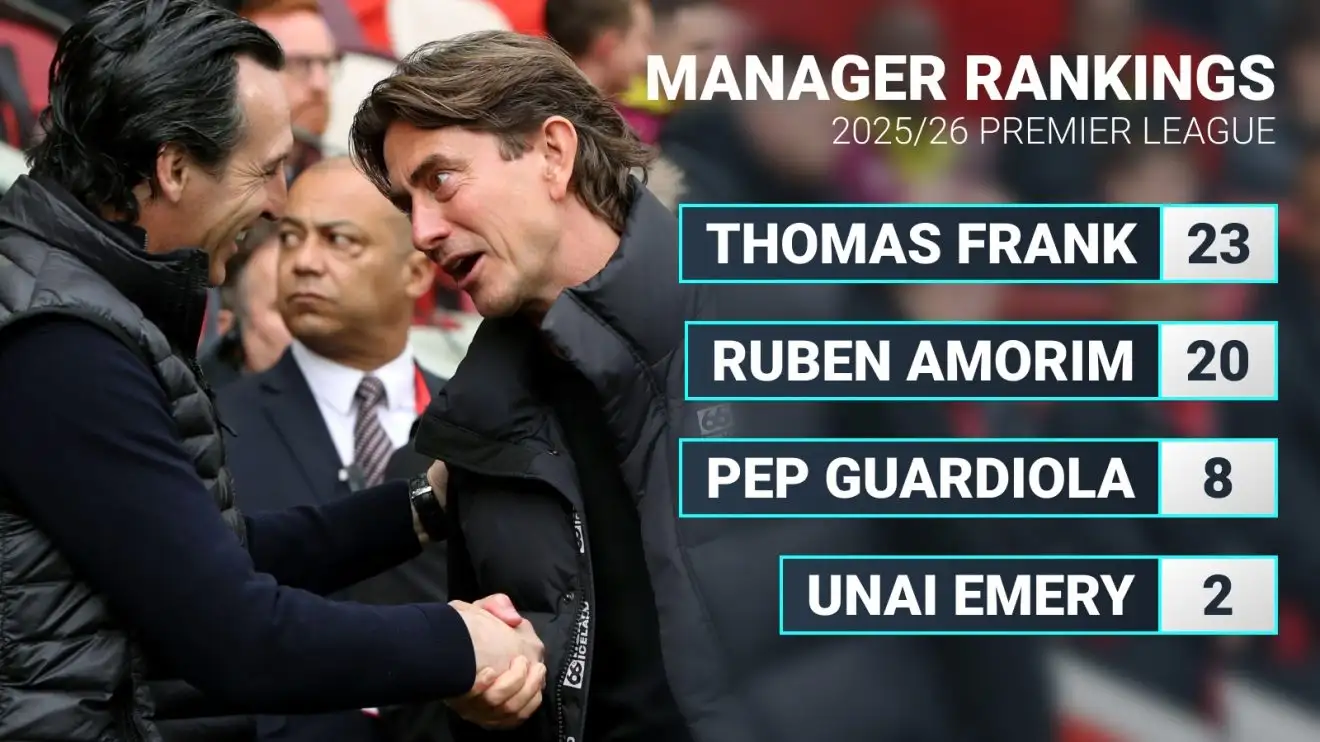
The managerial merry-go-round has spun at dizzying speed this season, making a complete reshuffle of our rankings essential. Back in October, Andoni Iraola topped the list with Thomas Frank nestled in the top eight—now both find themselves in very different circumstances. The landscape has shifted so dramatically that waiting any longer to reassess would mean scrambling to accommodate Michael Carrick's imminent arrival at Old Trafford, plus whoever survives the weekend's El Sackico between Tottenham and West Ham.
The Bottom Tier
Ange Postecoglou takes the wooden spoon for what may rank among the Premier League's most calamitous managerial tenures. His Nottingham Forest spell was brief, brutal, and bewildering—barely a month of football that somehow managed to unravel at five times the speed everyone anticipated. Yes, there were occasional flashes of attacking brilliance, but they were drowned in a sea of defensive catastrophes and injuries that exposed how reckless it was to expect such a dramatic tactical overhaul without proper preparation or a full pre-season. His reputation now lies in tatters despite that trophy haul at Spurs just eight months prior.
Graham Potter's West Ham chapter proved another false dawn. The club failed to back him adequately in the transfer market, but Potter hardly helped himself either. His subsequent appointment as Sweden manager—a genuinely remarkable leap—offered little solace for a once-promising career that has taken repeated hammerings.
Nuno Espirito Santo faces the ignominy of potentially being sacked twice in a single season. His West Ham tenure screams "impossible job," yet his tactical approach against Liverpool epitomised the problem: with momentum building through back-to-back wins, he opted for defensive caution and instead suffered a routine 2-0 defeat. That game feels like the moment dreams died, with just three draws and no victories in eight subsequent league matches.
Vitor Pereira's Wolves collapse was startling. The six-game winning run that looked so impressive in March and April proved desperately misleading—it came against three relegated sides plus West Ham, Manchester United, and Spurs, all drowning in their own nightmares. The subsequent nosedive revealed he had no answer to the club's tailspin.
The Struggling Middle
Sean Dyche inherited Postecoglou's wreckage at Nottingham Forest and has managed a modest recovery, though the new-manager bounce has faded considerably. A win at West Ham provided genuine encouragement, but relegation remains possible if unlikely. Europa League glory beckons if Dyche can somehow work the oracle.
Scott Parker at Burnley is doing precisely what you'd expect: muddling through without convincing anyone he can keep them up. Whether he represents a genuine solution or merely short-term damage limitation remains the burning question.
Arne Slot has endured a peculiar Liverpool campaign. While the team's fourth-place finish probably reflects their actual standard—fourth-best football in the division—Slot personally has struggled far more than in his composed debut season. He's allowed the noise to rattle him, even publicly questioning Manchester United's use of squad rotation. The panic displayed during the 2-1 home defeat to United was genuinely alarming. His early-season composure has vanished entirely.
Oliver Glasner at Crystal Palace is presiding over a slow fade. The extraordinary run that delivered silverware feels genuinely over now. Nine games without a win across a month, exits from both domestic cups, and that mortifying FA Cup loss to sixth-tier Macclesfield suggest the ride has peaked. The Conference League remains, but it all feels rather meek.
Pep Guardiola's Manchester City face two seasons without a title challenge, a staggering prospect given his standards. The truly alarming element is that City seemed poised to strike—they'd cut Arsenal's lead to two points—before inexplicably drawing with Sunderland and Chelsea, and losing to Brighton at home. These aren't the decisions of vintage Guardiola. Whether he's reinvigorated by the rebuilding challenge or heading toward a Klopp-style departure remains genuinely unclear.
The Mid-Tier Managers
David Moyes at Everton isn't doing badly—the club isn't in relegation peril—but they're also not breaking through into genuine quality. One win in seven games, including insipid performances, represents stagnation rather than progress. The new stadium adjustment provides mitigation, but West Ham's subsequent collapse offers a cautionary reminder about what supporters wish for.
Fabian Hurzeler has steered Brighton to comfortable mid-table obscurity, which is perfectly respectable. The FA Cup victory at Old Trafford provided crucial momentum after a worrying run. Brighton continue their curious habit of troubling the elite while handing cheap points to the desperate, but Hurzeler operates rather under the radar compared to his predecessors.
Marco Silva at Fulham very nearly became another November casualty before a remarkable turnaround—six wins and two draws from ten games—restored order. The danger now is that he's managing Fulham almost too well; the Tottenham temptation could prove irresistible, though that would represent a catastrophic mistake for all involved.
Daniel Farke has finally cracked the code that plagued him throughout his career: promotion followed by immediate relegation. Leeds looked doomed in November, trailing 2-0 at Manchester City at half-time, but that second-half recovery sparked a transformation. Seven games unbeaten, including victories over Chelsea and a thrashing of Crystal Palace, has them genuinely challenging. Even the 4-3 defeat at Newcastle didn't derail momentum.
The Upper Echelon
Eddie Howe's Newcastle sit sixth but shouldn't be judged by their league position alone. The mid-table congestion—just nine points separating fourth from 15th—means little. What matters is their potential: Champions League qualification remains viable, they're active across multiple competitions, and despite transfer market difficulties and injuries, a generational season remains entirely possible.
Keith Andrews at Brentford deserves recognition for sorcery. They lost their manager, their top two scorers, their captain, and their goalkeeper, replacing them with the set-piece coach, Dango Ouattara, spare parts, and Reiss Nelson. Fifth place suggests dark magic is genuinely involved.
Regis Le Bris at Sunderland continues to exceed all expectations. Currently winless in five league games, they've somehow extended their lead over the bottom four. For a promoted side to slip to tenth during a rough patch and still comfortably exceed pre-season hopes represents tremendous management.
Unai Emery's Aston Villa underwent a stunning transformation. After a miserable start—no wins and one goal in five games—they proceeded to win twelve of thirteen. Even their recent "slump" comprises just an Arsenal defeat and a Palace draw. Level on points with City and miles clear of any scramble, this feels like something genuinely beginning rather than ending.
The Champion
Mikel Arteta tops the rankings with an Arsenal side that finally combines the talent to win the league with genuine mental fortitude. Post-Villa defeat, the body language panic proved overblown. They've since won five consecutive matches before drawing with Liverpool, preserving a six-point lead. They'll win the title and thoroughly deserve it, even if their newly signed striker is objectively dreadful. Arteta's eccentricities may remain debatable, but his ability at this job is now undeniable.
Compare options