Pochettino Breaks Silence on Spurs' Desperate Battle: "Really Sad"
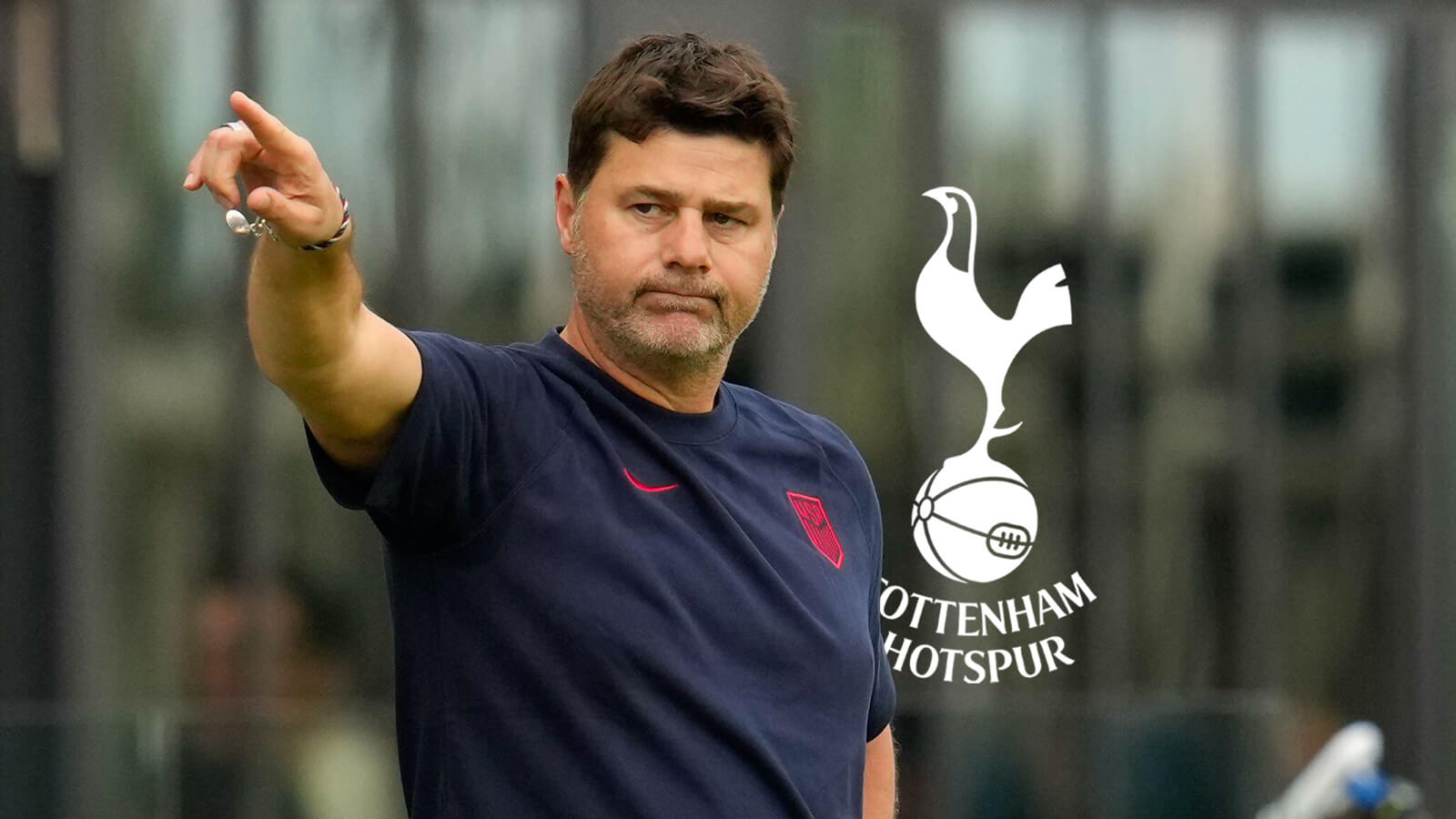
Mauricio Pochettino has opened up about Tottenham's alarming slide towards the drop zone, appearing on The Overlap's Stick to Football programme to discuss his former club's predicament and his playing days in North London.
The Argentine boss, now steering the USMNT towards this summer's home World Cup, admits he remains emotionally invested in Spurs' fortunes. With the club languishing in 18th place—just two points adrift of West Ham in 17th—and four matches remaining, the stakes could hardly be higher.
"It's really sad, I really love Tottenham, it's going to be a part of my life, an important part of my life as a coach, a personal life too," Pochettino confessed. "It's really sad because I know how the people are suffering there, inside the club and also the fans."
The former Spurs manager has chosen not to comment publicly since his departure, believing that speaking out at such moments would be inappropriate. However, he was keen to outline his philosophy during his tenure and the obstacles he faced.
"It's difficult to accept, but the moment when we left, what I told to the media and what I told internally was my feeling and my vision. You need to talk during the day that you are there," he explained. "When you left or when you are sad or when you decide to move again, I think it's not time to talk. If you talk, things for me are not right."
Infrastructure and Ambition
Pochettino highlighted the unique circumstances surrounding his spell in Tottenham, pointing to the club's ambitious infrastructure projects that coincided with his arrival and tenure. The training ground and new stadium were completed during his time, yet the team also had to play matches at Wembley and Milton Keynes.
"We were in a situation that was amazing because I think the training ground, we finished the training ground, we finished the stadium, we moved to Wembley to play, to Milton Keynes to play many games. At the same time, we were very competitive," he said.
Despite these challenges, Pochettino emphasised that silverware remained elusive—a single trophy haul would have made all the difference. "It's one title, it's one to win a FA Cup, it's to win a Carabao Cup. It's a shame," he added.
The financial constraints proved equally restrictive. Spurs went 18 months without signing a player, a Premier League record during his tenure. Though funds existed, they were insufficient to bridge the gap between competitive and genuinely challenging for honours.
"We had money to spend but not the type of money to improve, to be close to win or to challenge. We challenged, we challenged to win. But we missed this last step," Pochettino reflected.
A Difficult Beginning
When discussing his initial appointment at Tottenham, Pochettino acknowledged the steep challenge he inherited. He stressed his desire to understand a club's reality before committing to any project.
"It was difficult. Now it's difficult to talk about that because it was a really, really difficult situation," he said. "Because one of the things that I always like is if someone offers me a project, the possibility to coach, I want to know the reality. I want to know what they expect from me. I want to know what I need to do, which is the reality of the club."
He felt the board grasped his vision from day one, though implementing it proved arduous. "Of course it was tough, but I think I cannot complain. Only what I wanted to tell them is to say, 'OK, that is the idea, that is the strategy, the philosophy of the culture that we were creating there'. But if we wanted to be competitive, we need some time to make different decisions," he explained.
The pressure from external voices, however, frequently undermined his long-term thinking. "The problem is when the assessment is not coming from inside to the club, and the assessment comes from outside. And when people start to intoxicate things and say, no, you should win with this team," Pochettino concluded.
Compare options