Pochettino's Damning Confession: BlueCo's Plan Remains a Mystery Even to Those Running It
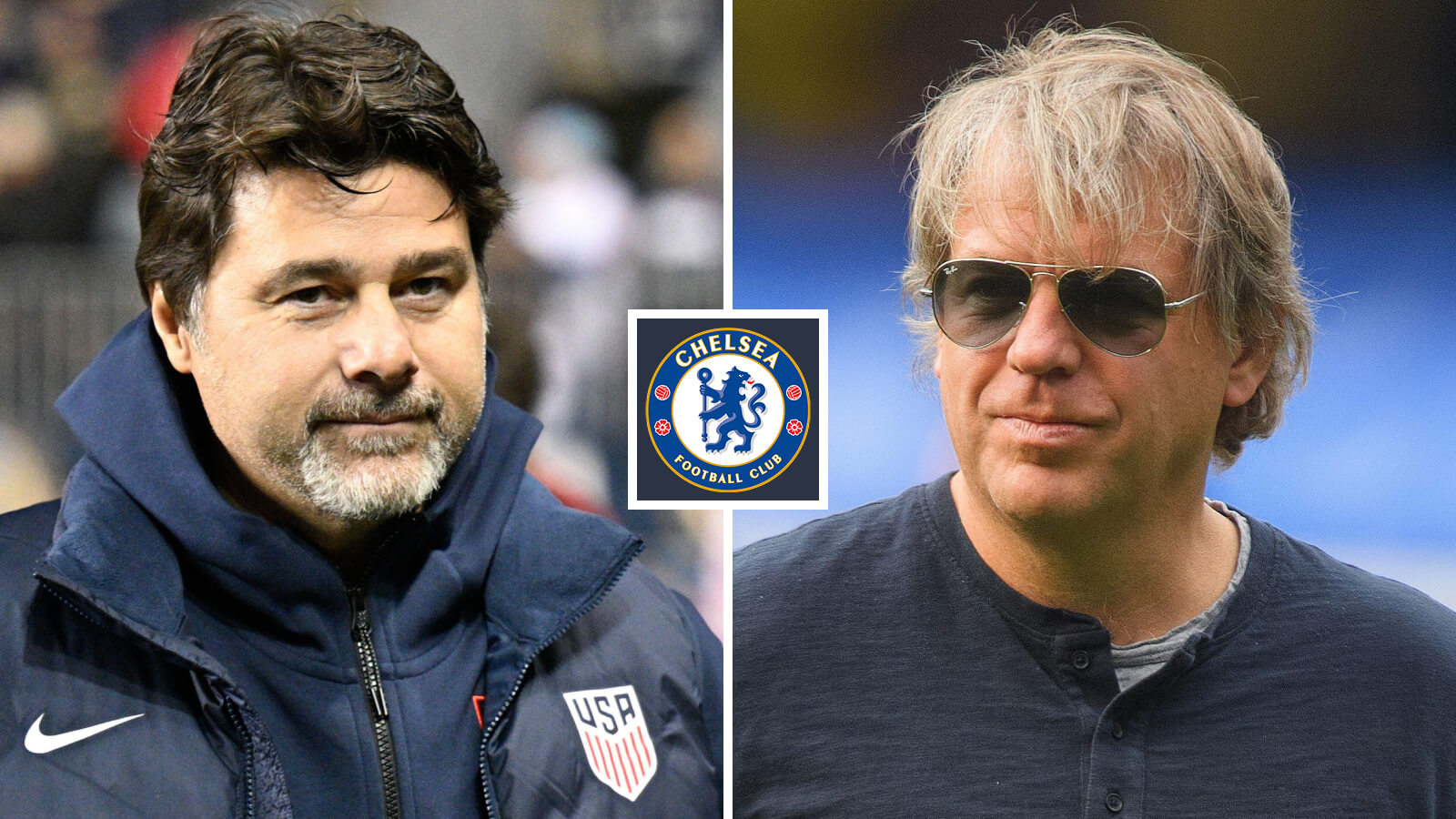
Mauricio Pochettino has delivered a withering indictment of Chelsea's ownership structure, revealing that despite a year in charge at Stamford Bridge, he never quite grasped what BlueCo's grand strategy actually was. It's the sort of admission that should set alarm bells ringing at the club.
Todd Boehly and Behdad Eghbali swept in as saviors back in May 2022, taking over from Roman Abramovich with considerable fanfare. Their consortium, subsequently christened BlueCo, has since become shorthand for a litany of organizational failures. The evidence is damning: they inherited Thomas Tuchel, a Champions League-winning manager of world-class pedigree, only to find themselves cycling through five permanent bosses in four years. Pochettino was the third, sandwiched between Graham Potter and his successor Enzo Maresca.
Speaking on The Overlap, the Argentine coach didn't hold back. "What I understood didn't happen after," he said bluntly, before calling on the ownership to actually articulate their vision to those who need to understand it—namely, the man trying to manage their football team.
Pochettino's tenure delivered sixth place, an FA Cup semi-final appearance, and a Carabao Cup final berth. By any reasonable measure, it represented genuine progress. Yet he departed by mutual consent at the end of 2023/24, a decision that raised eyebrows given the upward trajectory of results in the final weeks.
The underlying issue, according to Pochettino, runs deeper than mere tactical disagreement. "I think they have a plan, it's completely different to what was Chelsea in the past with Abramovich," he explained. "It's true that it's not easy because it's difficult for people to understand."
He elaborated on the fundamental disconnect: Chelsea's historical identity was built on winning—full stop. Under Abramovich, the club recruited the best and most experienced players available, pursuing silverware relentlessly. That was the blueprint. Now, BlueCo is attempting something altogether different, yet the messaging has been muddled at best.
"The people need to explain the plan and how it's different," Pochettino stressed. "Sometimes in football it's difficult to explain because the only people that listen are in the boardroom, but there are too many people making decisions. Football is not an ordinary business and sometimes people struggle."
When Pochettino arrived, Chelsea sat 12th in the Premier League, having just exited European competition. The transition between ownership groups was still ongoing. He believed a measured approach made sense—building something sustainable rather than embarking on a chaotic spending spree. Yet even as performances improved markedly, with five or six consecutive victories propelling them to sixth, and despite competitive showings in both the Carabao Cup final and FA Cup semi-final against Manchester City, the broader vision remained opaque.
"Under our assessment and our vision, it was a normal process to create something solid for the future," he reflected. "We wanted to add quality but not as quick as the people wanted to go."
It's a cautionary tale for whoever takes the Stamford Bridge hot seat next. Liam Rosenior, their fifth permanent manager in four years, has now inherited a club where the long-term direction remains frustratingly unclear, even to those running it.
Compare options