Paul Scholes' Complete Indifference to Music Reveals the Roots of His Joyless Punditry
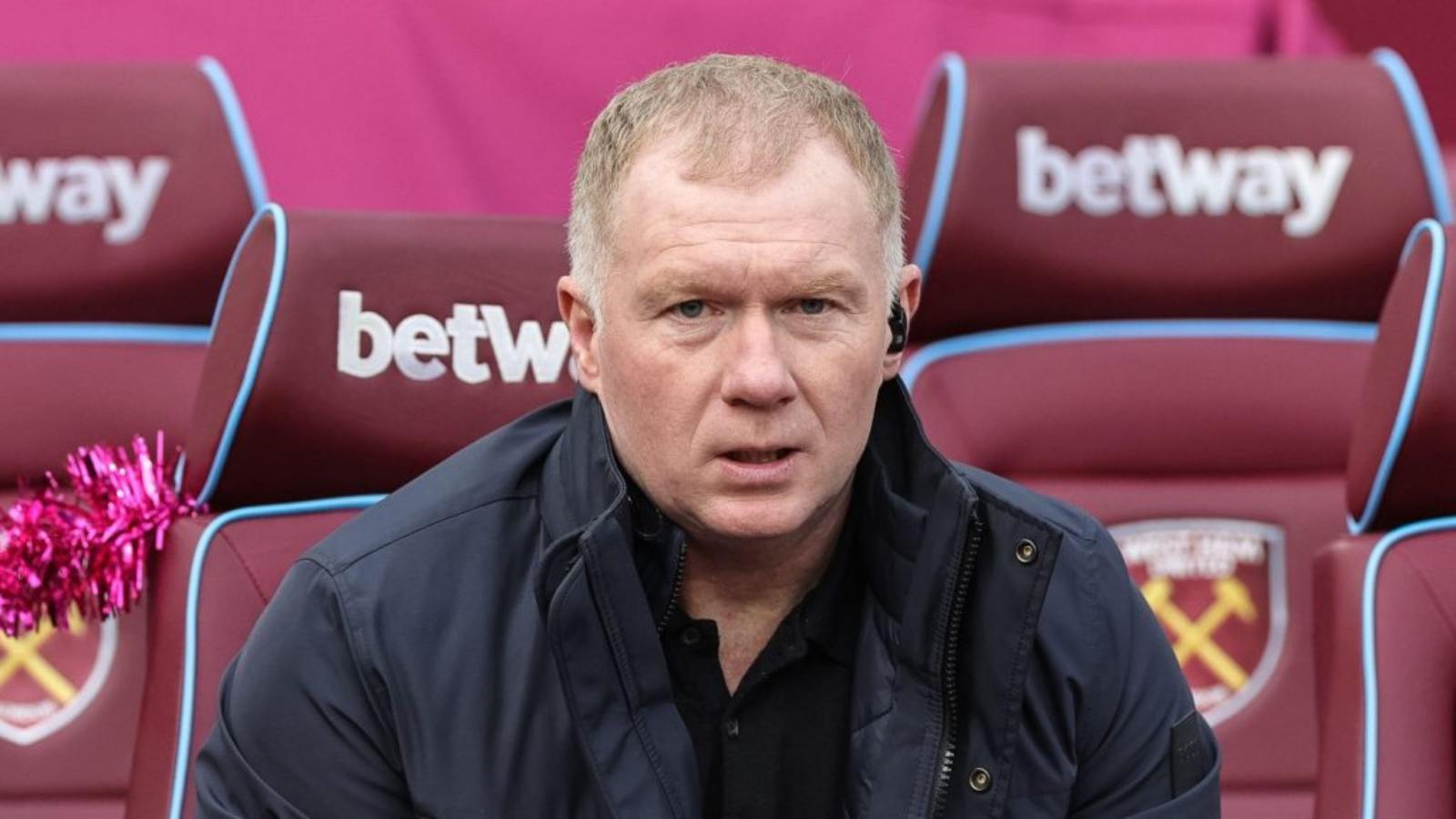
Paul Scholes has never been one for flowery language, so when he recently declared "I don't like music; I'm not arsed about it," you had to respect the sheer directness of it all. Classic Scholes, really—blunt, unapologetic, utterly Paul.
Yet it's also rather troubling. We're all for respecting individual taste in music; that's deeply personal territory. But to have zero interest in an entire art form? To have experienced nothing in music that resonates, and seemingly never bothered to investigate whether that might actually be the case? That's genuinely peculiar behaviour.
It's even stranger than disliking films altogether—and yes, we mean the entire concept of cinema, not just specific movies. Picture this: a man whose only acceptable audio input is talkSPORT, 24/7, without exception. Imagine facing your final four minutes on Earth and choosing Jason Cundy debating Tottenham's latest mishap over every piece of music ever composed. Imagine preferring a phone-in where Dave from Bermondsey explains Arsenal's title win is a con—using only monosyllabic words—to the collected works of Mozart, The Beatles, and Mr Blobby combined. That's the choice Scholes is apparently making.
Look, we're not here to judge. His preferences are his own, and fair play for announcing them proudly on a podcast with Paddy McGuinness. Who are we to tell him otherwise?
Yet there's something worth examining about Scholes' transformation from silent professional to perpetually scowling pundit. Throughout his entire playing career, he managed to say barely a word to anyone about anything. Now, he's become a fixture of football commentary—and frankly, a relentlessly miserable one at that.
Good punditry needs texture and variation. Scholes offers neither. His entire output is performative grumpiness, stubborn criticism, and an utterly rigid worldview on matters like Michael Carrick's credentials as Manchester United manager. There's no flexibility, no willingness to reconsider, no genuine engagement with alternative perspectives.
His stance on music inadvertently exposes the deeper problem: he simply lacks the imagination or curiosity to challenge his own thinking on anything. There's no appetite for deeper exploration, perhaps not even the mental capacity for it. When someone says they don't like music, what they're really admitting is they've never bothered to look.
There's a famous Stewart Lee routine about people so devoid of imagination that if locked in a room with nothing but a tea cosy, they wouldn't even try to see if it might work as a hat. That's essentially Scholes—a man we're forced to listen to expound on football using the exact same inflexible opinions that Sir Alex Ferguson drilled into him three decades ago.
It hardly seems unreasonable to expect a bit more imaginative thinking from someone handsomely paid to analyse our game. Scholes may not have read much Kipling, but we have to wonder: what does he really know of football commentary who only knows talkSPORT?
Compare options