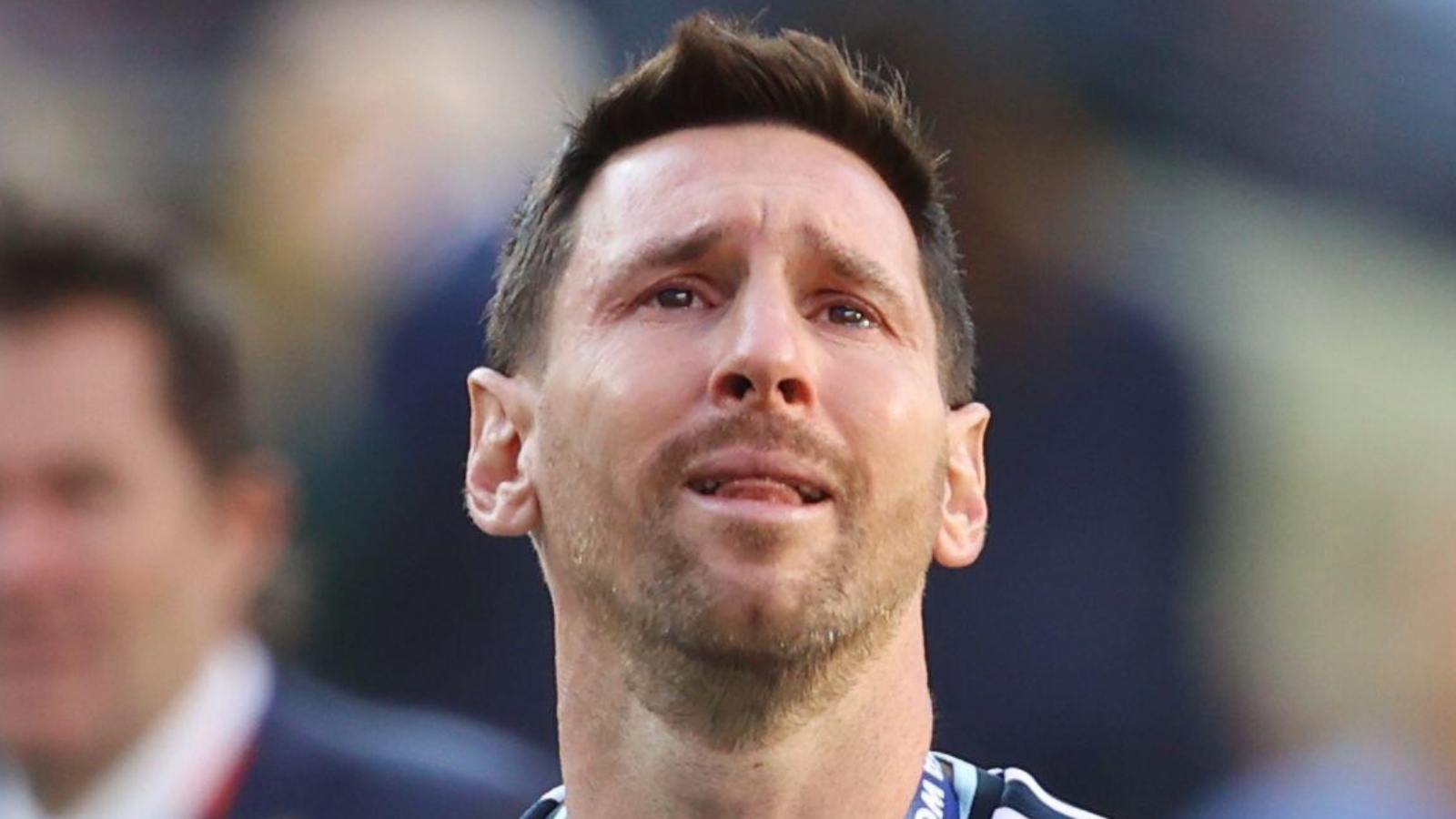
Saka's Champions League Final Stat Becomes Flashpoint as Arsenal Debate Rages
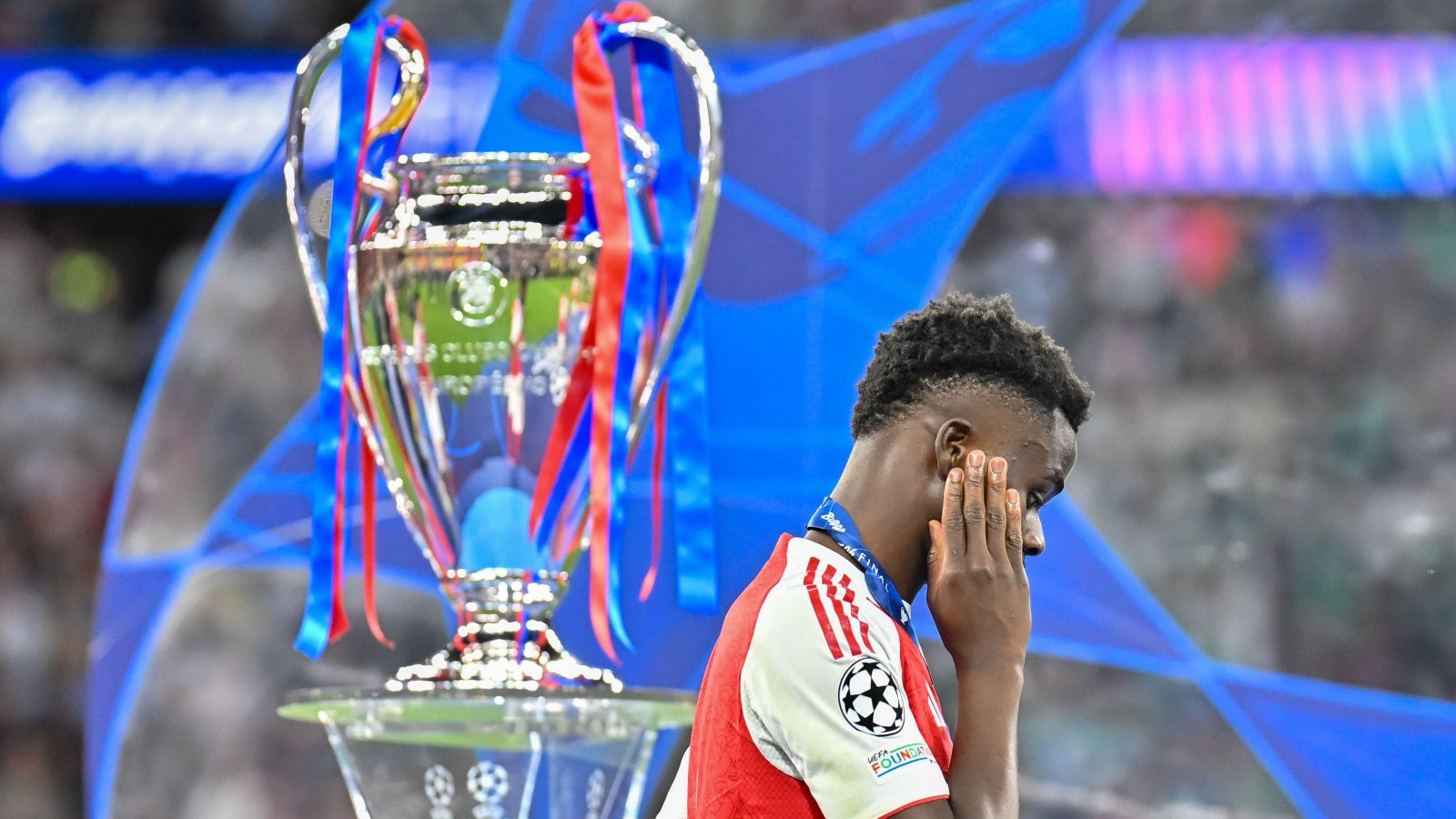
Arsenal's defeat to PSG in Saturday's Champions League final has set off a powder keg in the supporters' mailbox, with one particular statistic about Bukayo Saka becoming the focal point of a broader argument about the Gunners' approach to the game.
The winger managed just four passes in the final—a figure that has crystallised criticism of Arsenal's tactical approach and their inability to trouble PSG's defence when it mattered most. For many observers, the number exemplifies everything they find troubling about how Mikel Arteta's side operates: a philosophy that prioritises preventing the opposition from playing over creating genuine attacking momentum.
The backlash has been fierce and multifaceted. One correspondent from Bermuda argues that Arsenal have become the embodiment of late-stage capitalism in football—a club so focused on maximising efficiency that they've sucked the joy out of the beautiful game. The writer points to time-wasting theatrics, rehearsed goalkeeper cramps, and continual fouling as symptoms of a deeper malaise: a team coached to eke out results through any means necessary, consequences be damned.
A Newcastle supporter has been equally scathing, suggesting that Arteta has stripped the club of any class or dignity. Where once there was mutual respect between rival supporters, now there's only contempt for a manager who blames external factors—the grass, the wind, the ball itself—rather than acknowledging when superior opponents have simply outplayed his team. The suggestion that Arteta would never accept defeat to a better side, instead attributing losses to anything but Arsenal's own shortcomings, has struck a particular nerve.
Yet the defence has been equally vigorous. One lengthy contribution uses hard statistical evidence to argue that the narrative around Arsenal's supposed defensive tedium is fundamentally misleading. Their expected goals against (xGA) of 0.95 per game ranks them as the best defensive team in the league. Their expected goals for (xG) of 1.70 per game places them fourth. Their passes per defensive action (PPDA) of 10.8 is third-best, suggesting a high-intensity pressing game rather than the deep-block caricature critics present.
The data shows Arsenal took 388 shots this season compared to Manchester City's 420, with only a four-goal difference in expected output across the entire campaign. Their possession averaged 56.4%—fourth in the league, hardly the percentage of a team parking the bus. In fact, Arsenal played the fewest long passes in the league, suggesting a possession-based approach rather than a direct one. They committed 391 fouls all season, among the lowest in the division, and picked up just 51 yellow cards—fewer than Manchester City's 67.
The time-wasting accusation similarly crumbles under scrutiny. Data from 22 games showed Arsenal had the third-highest average ball in play time at just under 57 minutes, behind only City and Liverpool. Bournemouth, widely praised for their entertaining football, languished at the bottom with 52:56.
According to this analysis, the real issue is that Arsenal have lacked attacking incisiveness due to injury absences. When Odegaard, Saka, and Havertz have played together—just three or four times at season's end—Arsenal averaged 2.3 points per game, a 90+ point pace. Without them, that dropped to 1.6. The suggestion is that Arsenal's patient approach against deep blocks is a tactical necessity rather than a philosophical choice, and that their defensive excellence is precisely the kind of high-pressing intensity that supporters loved when Liverpool under Jürgen Klopp perfected it.
Against PSG specifically, one Arsenal supporter who attended the final offered a measured assessment. PSG's coaching under Luis Enrique was genuinely elite, they argued. The French side's positional play, their ability to rotate their front line to create constant movement, and their aggressive pressing of any Arsenal player attempting to break was simply superior on the night. Arsenal's approach—sitting deep and hoping to catch PSG on the break—was a calculated gamble in a cup competition, not a failure of ambition. The best team won.
That writer did call for improvement in Arsenal's attacking department over the summer, noting that with the league's best defence already in place, adding genuine creative firepower could transform them into genuine European contenders. Their run to three consecutive Champions League finals in as many years represents their best European campaign ever.
There's also been reflection on the broader culture surrounding Arsenal. One supporter pointed to the unprecedented scenes at Sunday's parade through London, describing an outpouring of community spirit and positivity that has been drowned out by the schadenfreude from rival fans. The suggestion that other clubs' supporters are driven by fear—anxiety that Arsenal could establish a sustained dynasty—has been offered as explanation for the ferocity of recent criticism.
Another correspondent countered that schadenfreude in football is simply part of the fabric of the game, pointing to past examples of Arsenal supporters laughing at Tottenham's misfortunes and various other instances of rival clubs' struggles being treated as entertainment.
The debate ultimately reflects a fundamental disagreement about what football should be. For critics, Arsenal represent everything wrong with modern sport: efficiency prioritised over entertainment, results pursued through gamesmanship rather than excellence. For supporters and analysts armed with statistics, they're a well-coached, balanced side that defends intelligently, possesses the ball intelligently, and have simply lacked the attacking personnel—through injury—to express themselves fully.
What remains undeniable is that Saka's four passes in the Champions League final will linger as a symbol of everything both sides believe about this Arsenal team: either a masterclass in tactical discipline, or a cautionary tale about football stripped of its soul.
Compare options