Arsenal's Vindication: When Arteta's Methods Stopped Being the Punchline
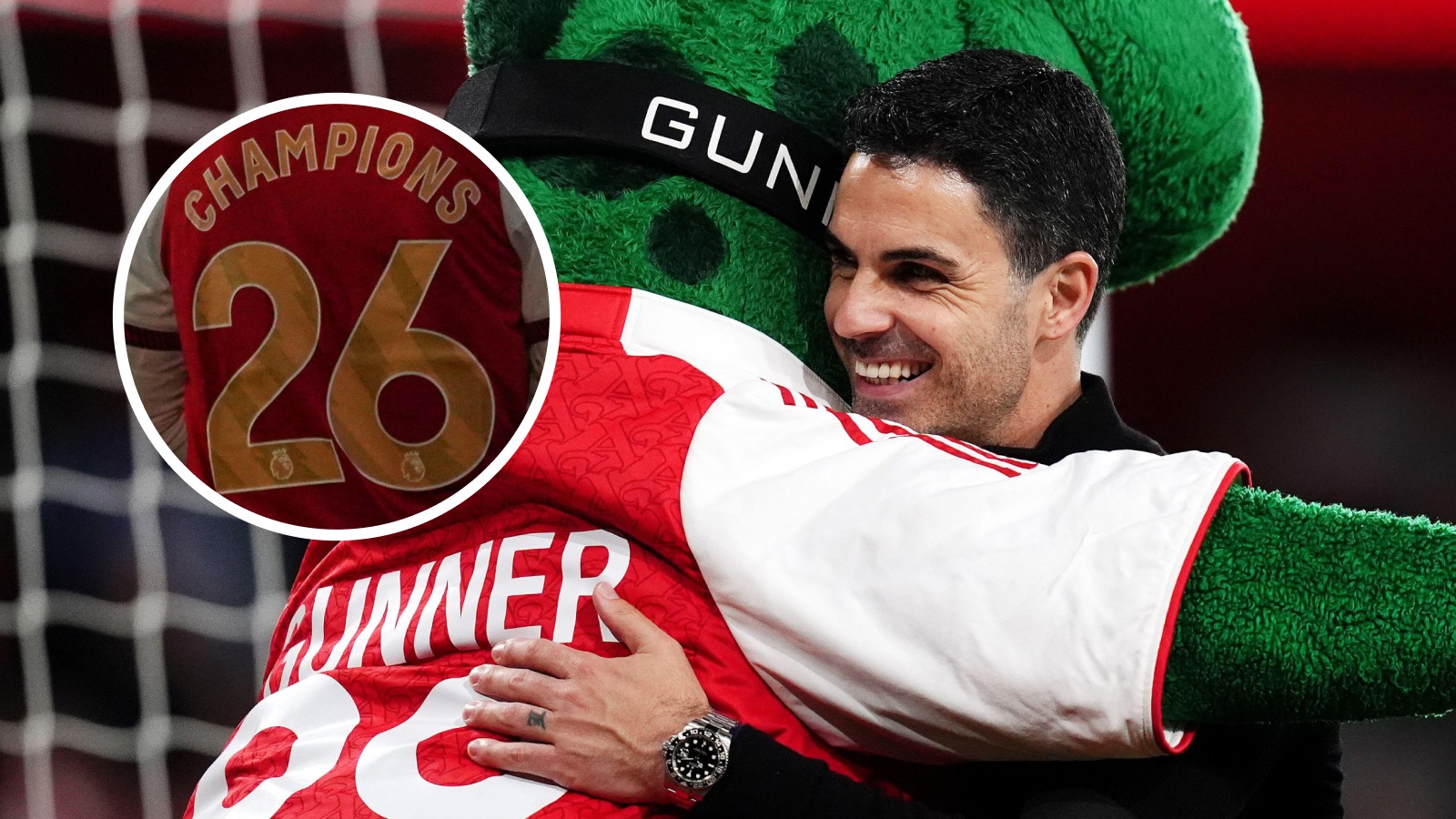
For nearly seven years, Mikel Arteta has been the recipient of relentless ridicule. From pundits to rival supporters, from social media warriors to opposition players, the Arsenal manager has endured a sustained campaign of mockery that would break lesser men.
It wasn't always thus. When he arrived in December 2019, an FA Cup followed swiftly by Community Shield glory suggested a manager who knew his business. But then came the barren years, and with them, the ammunition for the critics.
The material was plentiful. Training sessions where You'll Never Walk Alone blared across the Colney complex to recreate Anfield's atmosphere. A dinner where pickpockets were hired to test his players' awareness. A 150-year-old olive tree wheeled onto the training ground for motivational purposes. Even the club dog, named Win, became fair game for the cynics.
Arteta himself became a meme. Newcastle's Jacob Murphy dubbed him "Lego Head" – a nickname that stuck so thoroughly that Arsenal's own fanbase began using it. Liverpool supporters unfurled banners declaring him "always the bridesmaid, never the bride." The lightbulb team-talk, inspired by All or Nothing and Thomas Edison, became the stuff of legend – particularly when Arsenal subsequently lost 2-1 and finished fifth, missing Champions League qualification entirely.
The football world laughed. Here was a manager so consumed by marginal gains and metaphorical thinking that he'd lost sight of actual football. Arteta's response? Silence, and a quiet commitment to his vision.
The thing about that lightbulb moment was this: it mattered not one jot whether outsiders found it ridiculous. What mattered was that Arteta was constructing something – a culture, a philosophy, a standard – entirely his own. The pickpockets weren't gimmickry; they were lessons in concentration and preparedness. The speakers weren't eccentricity; they were psychological preparation to conquer a nine-year curse at Anfield. Win the dog wasn't madness; it was intent made tangible.
Fast-forward to this season and the narrative has shifted, though the scepticism hasn't entirely disappeared. Arsenal have spent 238 days atop the table – 200 of them consecutively – yet still the doubters persist.
Paul Scholes suggested in January that they'd be the worst team ever to win the Premier League, then escalated matters in March by proposing the trophy simply shouldn't be awarded this year. Alan Pardew chimed in with claims that any title they won would carry an asterisk, their success built on pragmatism and time-wasting rather than beautiful football.
The criticisms have been familiar: too cautious, too defensive, too willing to wrestle and gamesmanship their way through matches. Not credible unless they topple Liverpool and Manchester City. Playing it safe. Bottlers, some said.
Arteta's riposte was straightforward: win the league anyway, then smile that distinctive Lego smile.
The reality is that Arteta has never been playing it safe. His obsession with detail, with set-piece routines of genius, with fanatical organisation – these are anything but conservative. His players throw bodies in front of shots in positions that defy natural geometry. They'll take a ball in the face if it means securing a result. This doesn't happen accidentally; it happens when a manager makes every single detail feel consequential because he genuinely believes it is.
Whether it begins with a corny lightbulb analogy or a scratch behind Win's ears is immaterial.
Arsenal are no longer nearly-men. They're no longer bridesmaids. With domestic rivals in transition, this marriage could prove enduring.
But true immortality? That's ninety minutes away in Budapest on Saturday. The Champions League final. The trophy Arsenal have never won. The prize that separates them from genuine greatness.
It will all come down to the details. With Mikel, it always does.
The laughter has stopped.
Compare options