Tottenham's Defensive Retreat: How Frank Turned Promise into Frustration Against Brentford
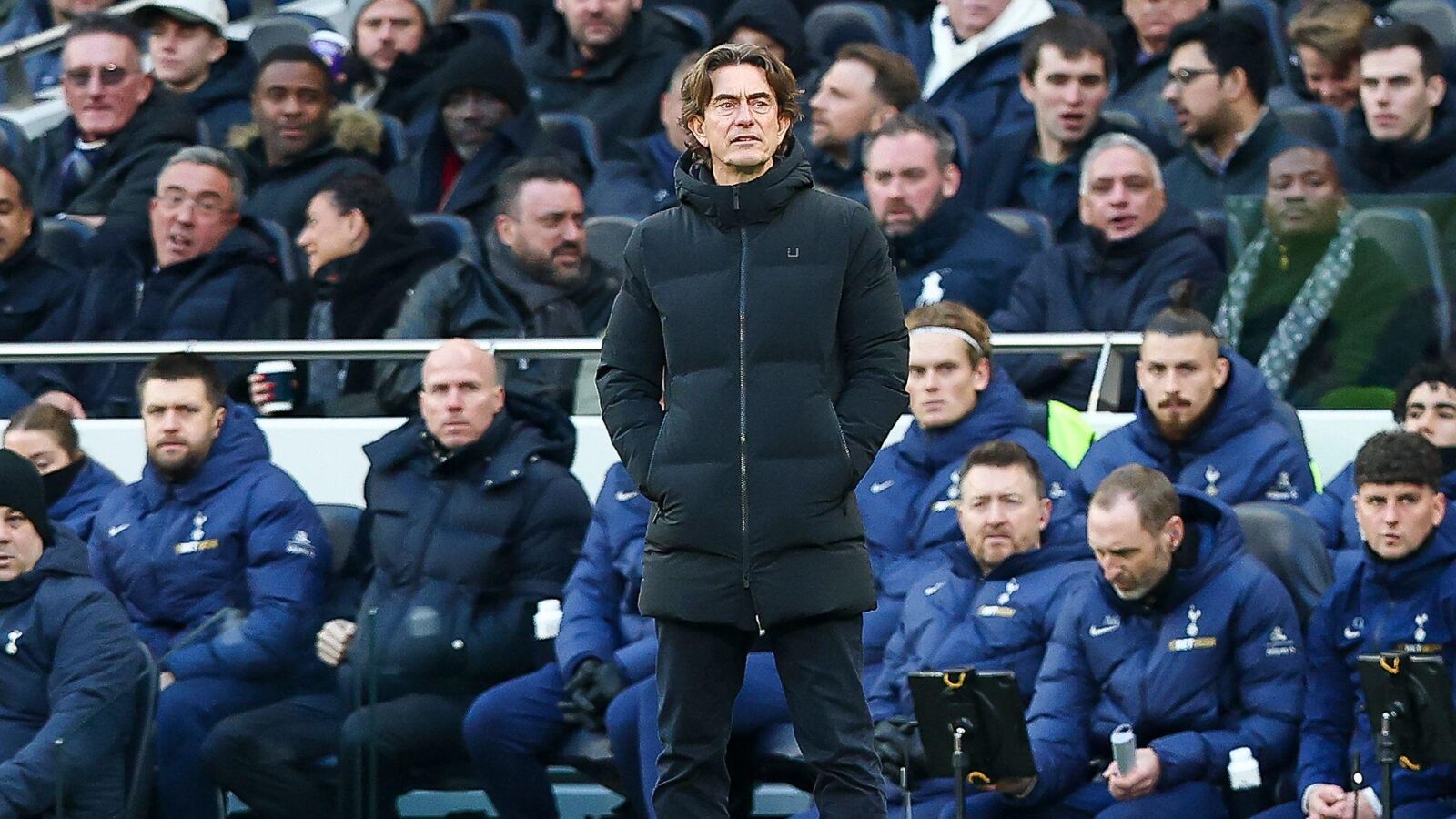
Tottenham managed to snatch defeat from the jaws of victory once again, emerging from their midweek trip to Brentford with nothing more than a point and another chapter in what's shaping up to be a thoroughly dispiriting campaign.
The peculiar tragedy of this particular result lies not in how poorly Spurs played, but in how well they started before systematically dismantling their own momentum. For 45 minutes, they looked genuinely committed. High pressing, purposeful attacking play, a collective sense of intent—it was, by the standards of recent weeks, practically revolutionary.
That first-half display represented Spurs' best opening 45 minutes at home in the league this season, which admittedly sets an extraordinarily low bar. Still, they were genuinely functional. Mathys Tel showed flashes of brightness despite wayward finishing. Richarlison covered ground industriously. Wilson Odobert grafted. There was something to work with.
The breakthrough arrived in characteristically Frankian fashion: a deep corner, flicked on by one centre-back, finished by another. Ben Davies—yes, that Ben Davies—turned home to give Spurs the lead. The man hasn't played in a league fixture between these sides since 2017, when he shared the pitch with Vincent Janssen and Michel Vorm in a goalless draw at the Stadium of Light. The Tottenham crowd lapped it up, naturally, with chants of 'Davies again, ole, ole' ringing out.
At the interval, there was genuine cause for cautious optimism. Then Frank emerged from the tunnel with his master plan: abandon everything that had worked and retreat into a defensive shell.
The second half was an exercise in joyless, risk-averse football. Rather than build on their advantage, Spurs essentially invited Sunderland to take control. A newly promoted side suddenly found themselves in the ascendancy, and they made the most of it. The visitors dominated, pressing their hosts relentlessly as Tottenham surrendered all attacking ambition in pursuit of the 1-0 scoreline.
Brian Brobbey's equaliser came after neat interplay with Enzo Le Fee, a finish that felt richly deserved given Sunderland's second-half dominance. Le Fee had struck the post with a header moments earlier, and both players had been virtual spectators in the opening period before becoming central to proceedings after the break.
The substitutions Frank made—replacing Odobert with Lucas Bergvall and Gray with Joao Palhinha—sent an unmistakable message: further retreat was the order of the day. Not poor additions to the squad, but changes that signalled defensive consolidation to opposition eyes.
What proved most damning was how little changed after the equaliser. Spurs made no genuine attempt to reclaim the initiative. Sunderland retained momentum and looked the more likely to steal victory, leaving Tottenham to chase proceedings in the closing stages. By the time they finally stirred, it was injury time, leaving them scrambling for set-piece opportunities that never materialised.
This echoes uncomfortable parallels with the Jose Mourinho era, when 1-0 leads routinely collapsed into 1-1 stalemates. The theory that parking the bus represents the safest approach crumbles under scrutiny, particularly for a club of Tottenham's stature. Once the attacking switch flips off, restarting it proves maddening. The longer the shutdown persists, the harder recovery becomes.
A draw that feels like a defeat, a performance that began with promise before dissolving into the familiar small-time routine. Another afternoon that epitomises the broader malaise consuming this campaign. At what point does allowing this pattern to continue stop making sense?
Compare options