Spurs' Schizophrenic Showing Against City: First-Half Shambles, Second-Half Salvation, But Frank Still Playing It Safe
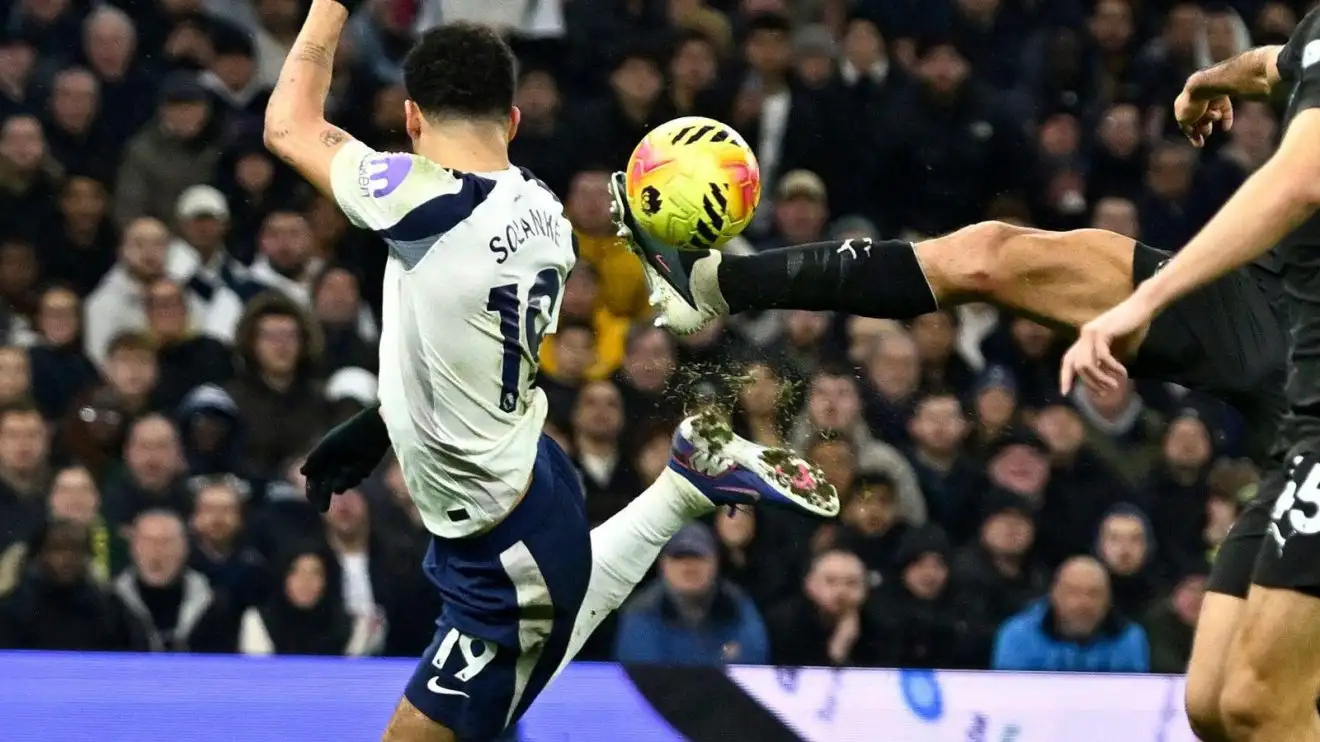
There are few sights more baffling in English football than watching Thomas Frank's Tottenham navigate 90 minutes with such wildly fluctuating intensity. Sunday's encounter with Manchester City served as the perfect encapsulation of this manager's tenure: breathtakingly abysmal for one half, genuinely compelling for the other, and ultimately cowardly when it mattered most.
The opening 45 minutes against City were genuinely difficult to watch. Spurs didn't just underperform; they were an embarrassment, a level of disarray that left Gianluigi Donnarumma as Manchester's unlikely saviour. One struggled to articulate quite how dreadful they were.
Then came the interval, and something remarkable shifted. What followed was arguably the finest 45 minutes Spurs have produced under Frank's watch. The bar had been set at ocean-floor depth, admittedly, but this wasn't merely a recovery—it was a genuine transformation. The tactical adjustments worked. Pape Matar Sarr replacing Cristian Romero prompted a wholesale shift from the 3-4-3, though one couldn't help wondering about Romero's departure—injury or internal strife, the answer awaited.
As Spurs gathered momentum while chasing the game, Frank shuffled his pack again, withdrawing Yves Bissouma and Randal Kolo Muani to introduce Wilson Odobert and Mathys Tel. The momentum built. Solanke, in particular, was electric—his second goal, a scorpion kick of audacious brilliance, encapsulated what Spurs could achieve when unleashed.
Yet therein lay the rub. Just as Spurs looked capable of snatching victory, Frank's ingrained caution reasserted itself. With the score level and City in genuine distress, he withdrew into his shell. Eight Spurs players camped on the edge of their box. A 17-year-old centre-back replaced Solanke, who was terrorising City's defence. Phil Foden arrived for the visitors, and suddenly Tottenham looked passive once more.
This pattern isn't new. It happened against Liverpool—a spirited comeback while a man down, yet ultimately fruitless because Frank refused to maintain the attacking impetus. A strong first half at home to Sunderland was negated by a second-half display where Spurs seemed content with narrow margins. One draw became acceptable, then another.
Frank has somehow escaped meaningful criticism through a combination of improved second-half performances and the sheer relief supporters feel when their team doesn't completely capitulate. After such a disastrous opening period, a 2-2 draw feels like a minor miracle. But that's precisely the problem—Frank has conditioned Tottenham supporters to celebrate mediocrity. The fact that he's unlikely to be sacked after this performance, despite the tactical timidity when victory was available, only reinforces his willingness to operate within these narrow parameters.
Gary Neville's commentary perfectly captured the absurdity: the first half resembled Soccer Aid in its incompetence, while the second half touched on Total Football. When Antoine Semenyo made it 2-0, City looked capable of running riot. Instead, the break proved pivotal. Spurs emerged with purpose and nearly broke their hosts entirely. Donnarumma's heroics—stops that seemed almost impossible—prevented what should have been a Spurs victory.
The missed opportunity stings because City had genuinely lost control. They created nothing of substance in the second period. This was a match there for the taking, and Frank blinked first.
Perhaps the most damning assessment comes from considering what this draw means for the broader landscape. Arsenal's lead at the summit now stands at six points. For Spurs supporters, that knowledge will sting considerably more than any individual result. The Gunners have been handed an unexpected gift, even as Tottenham convinced themselves they'd earned something meaningful.
The reality is harsher. Spurs' first-half showing was the worst Frank has orchestrated—worse, even, than the cautious 0-0 he engineered against Chelsea back in November, when he played for draws at 0-0 and 0-1. Sunday's opening period suggested Tottenham had regressed entirely. Those experiencing a Spurs match for the first time might reasonably ask whether this is always the case. The answer, depressingly, is that it's usually worse.
The atmosphere reflected the malaise—a ground where supporters treat their season tickets as obligations rather than privileges, at what ranks among the Premier League's worst value-for-money venues. Yet they'll leave satisfied, buoyed by the comeback, convinced their manager has turned a corner. Frank has masterfully cultivated this dynamic: perform atrociously, recover impressively, and emerge with credit intact.
But performances don't transform seasons. Consistency does. For that to materialise, Frank must maintain the attacking intensity that defined the second half. The final ten minutes suggested he won't. Spurs supporters will be back to demanding his removal by half-time against Manchester United next week.
Until Frank proves he can sustain excellence across a full match, rather than merely half of one, these contradictions will define his Tottenham tenure. Sunday proved they're capable of brilliance. It also proved they're incapable of maintaining it when caution creeps back in.
Compare options