The Liam Rosenior Paradox: A Cautionary Tale of Ambition and the Cost of Misplaced Faith
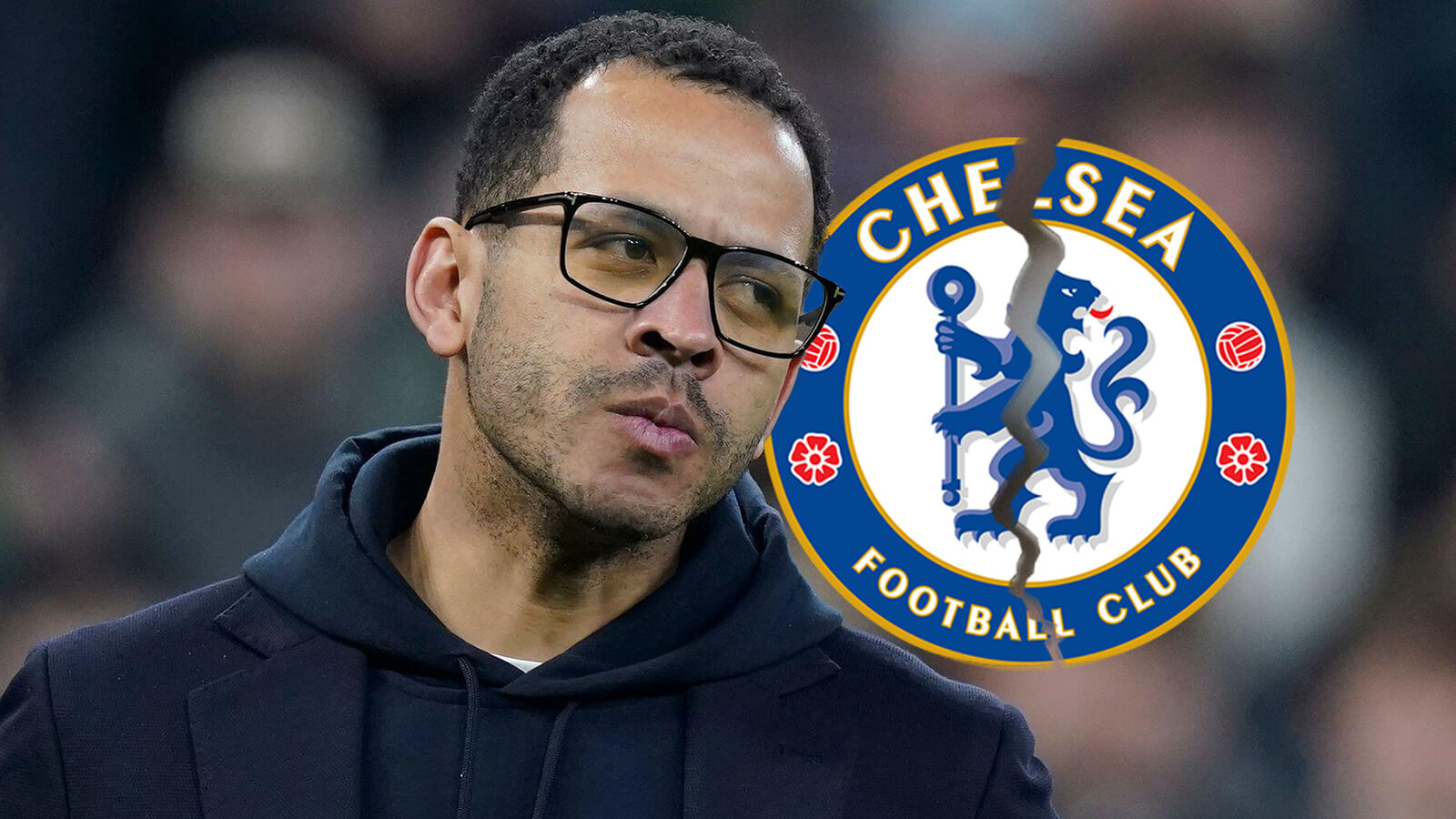
Liam Rosenior's time at Chelsea is over. After just 106 days – barely 4.5% of his six-year contract – the manager has departed, leaving behind questions about where his career goes next and whether it will be in England at all.
France seems a likely destination, where his Strasbourg experience maintains some currency and the peculiar nature of his public persona might not translate quite so readily into widespread mockery. Anywhere else in the Premier League or English football pyramid? Almost certainly not.
There's been plenty of material for ridicule, no question about that. The pronouncements, the LinkedIn-speak, the manner of someone elevated well beyond his experience and pedigree – it all invited the sort of mockery that came readily and often. Yet beneath the comedy lies something more sobering.
This was an appointment many of us genuinely wanted to work out, however unlikely that prospect seemed. A young Black English manager handed a genuine opportunity at one of the country's biggest clubs represented something the sport desperately needed to see succeed. The fact that it collapsed so spectacularly – five games without a goal, finishing below Spurs in the chaos – stings in ways that go beyond the usual schadenfreude of managerial failure.
The uncomfortable reality is that Black coaches and managers remain systematically underrepresented in top positions. Football preaches meritocracy on the pitch but rarely delivers it in the technical areas and boardrooms. Which makes the particular cruelty of Rosenior's situation all the more frustrating: he received an opportunity that many more deserving candidates never get, then squandered it almost immediately.
What makes this genuinely tragic is that Rosenior apparently wasn't always this way. Former teammate Kevin Kilbane noted the disconnect between the intelligent, articulate player he knew and the caricature who arrived at Stamford Bridge. Something shifted – whether insecurity, self-awareness of his own inadequacy, or something else entirely remains unclear. But the man who showed up to manage Chelsea felt like a performance rather than a person.
Compare that to other managers with similar quirks – Arteta, Rodgers, Howe – who have simply become exaggerated versions of themselves over time. With Rosenior, there's a sense that something was being performed, perhaps desperately.
None of this excuses the appointment itself. But it's also worth acknowledging that saying no to such a promotion, especially when it comes from within your existing employer's structure, is far easier in theory than practice. Rosenior shouldn't have been offered the job, but what was he supposed to do, refuse?
Chelsea itself remains almost uniquely difficult among the Premier League's elite. At other big clubs, there's at least clarity about the primary objective: winning football matches. At Chelsea, the football operation increasingly resembles a trading floor first and a sporting endeavour second. Profit from player turnover matters more than results on the pitch.
The squad he inherited was a disaster – talented individuals assembled for their market value rather than their ability to function as a coherent unit. It's a nightmarishly complex challenge for an experienced manager. For a novice, it proved impossible.
Perhaps the saving grace is that Rosenior's spectacular failure and the sheer absurdity surrounding it might actually deliver the correct lesson: don't promote company men who've completely absorbed the corporate language to one of the biggest managerial jobs in England.
Behind the caricature, there remain some interesting tactical concepts and a functional football brain. The hope must be that he can rebuild somewhere, that this doesn't become a permanent stain on his career. But the damage to the broader cause – that of creating genuine opportunities for underrepresented groups in football – remains real and regrettable.
Compare options