Mudryk's Four-Year Ban Ends What Could Have Been a Ballon d'Or Story
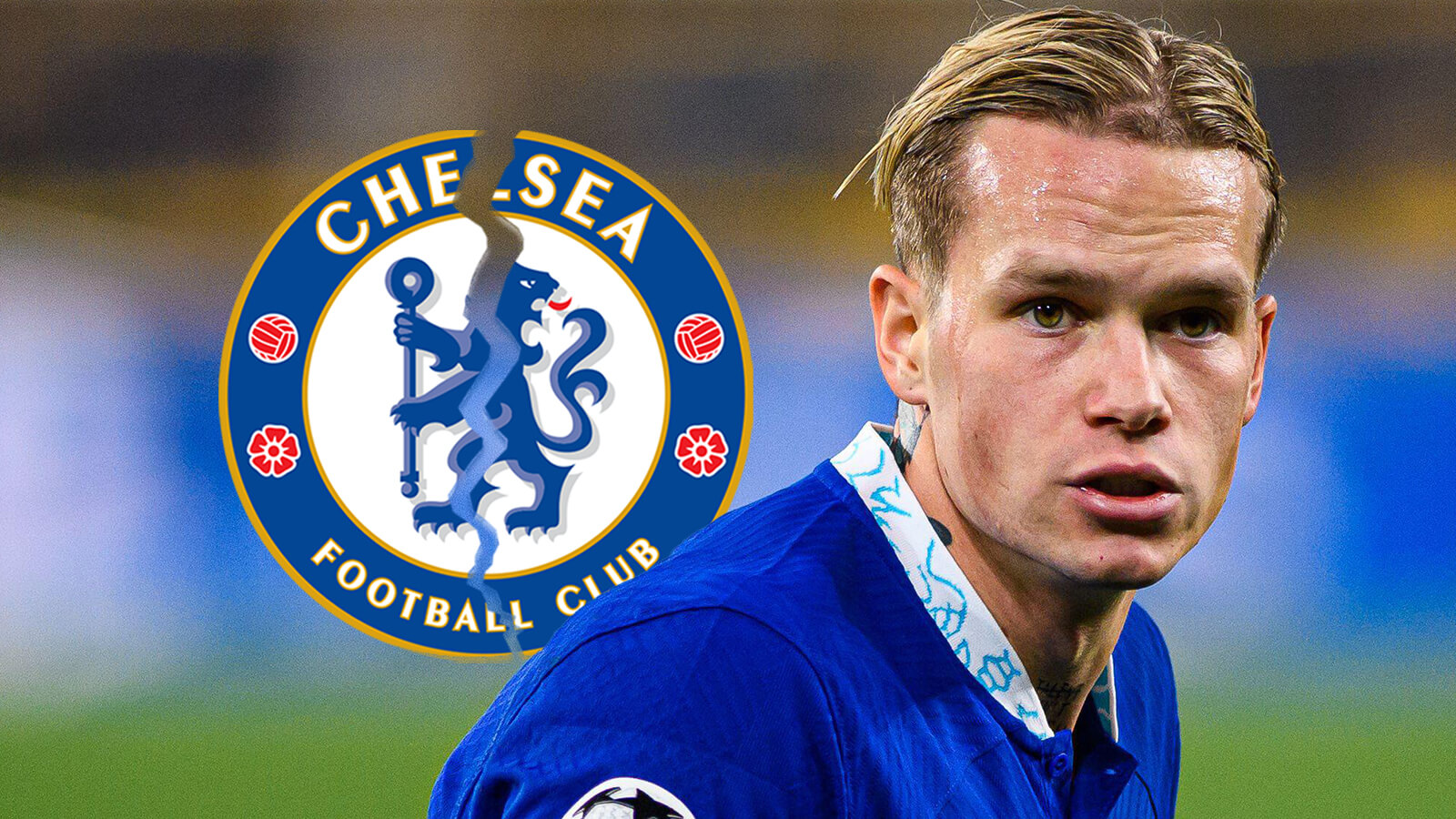
What might have been for Mykhaylo Mudryk reads like a cautionary tale of how swiftly fortunes can crumble in elite football. The winger now confronts a four-year suspension that threatens to end his career before it truly began, precisely when he could have been challenging for individual honours alongside the sport's elite.
Mudryk's journey to Stamford Bridge was itself the stuff of Premier League drama. Todd Boehly's Chelsea swooped ahead of Arsenal in January 2023 to secure the Shakhtar Donetsk winger for an initial £62m, a transfer coup that exemplified BlueCo's early ambition. The lad arrived with genuine pedigree, having announced himself on the Champions League stage with the kind of blistering pace and ball-carrying ability that gets supporters out of their seats.
His debut cameo against Liverpool—a breathless 35 minutes that had Chelsea fans salivating and Gunners supporters gnashing their teeth—suggested the club had landed something special. Yet what followed was a long, dispiriting decline. Across 72 subsequent appearances, Mudryk rarely recaptured that initial spark. Then came November 2024 and an "adverse finding in a routine urine test" that would reshape everything.
The positive test had come in October during Ukraine national team duties. The substance in question was meldonium, a cardiovascular medication capable of boosting respiratory capacity and stamina. The FA's investigation concluded with a four-year ban, a verdict Mudryk has contested through the Court of Arbitration for Sport. He maintains his innocence, insisting he never knowingly consumed banned substances. CAS received his appeal on 25 February 2026, with written submissions currently being exchanged and a hearing yet to be scheduled.
The Ukrainian has reportedly been keeping himself fit at non-league Uxbridge FC, training with a private coach and specialist goalkeeping support, harbouring hopes of a return to action this year.
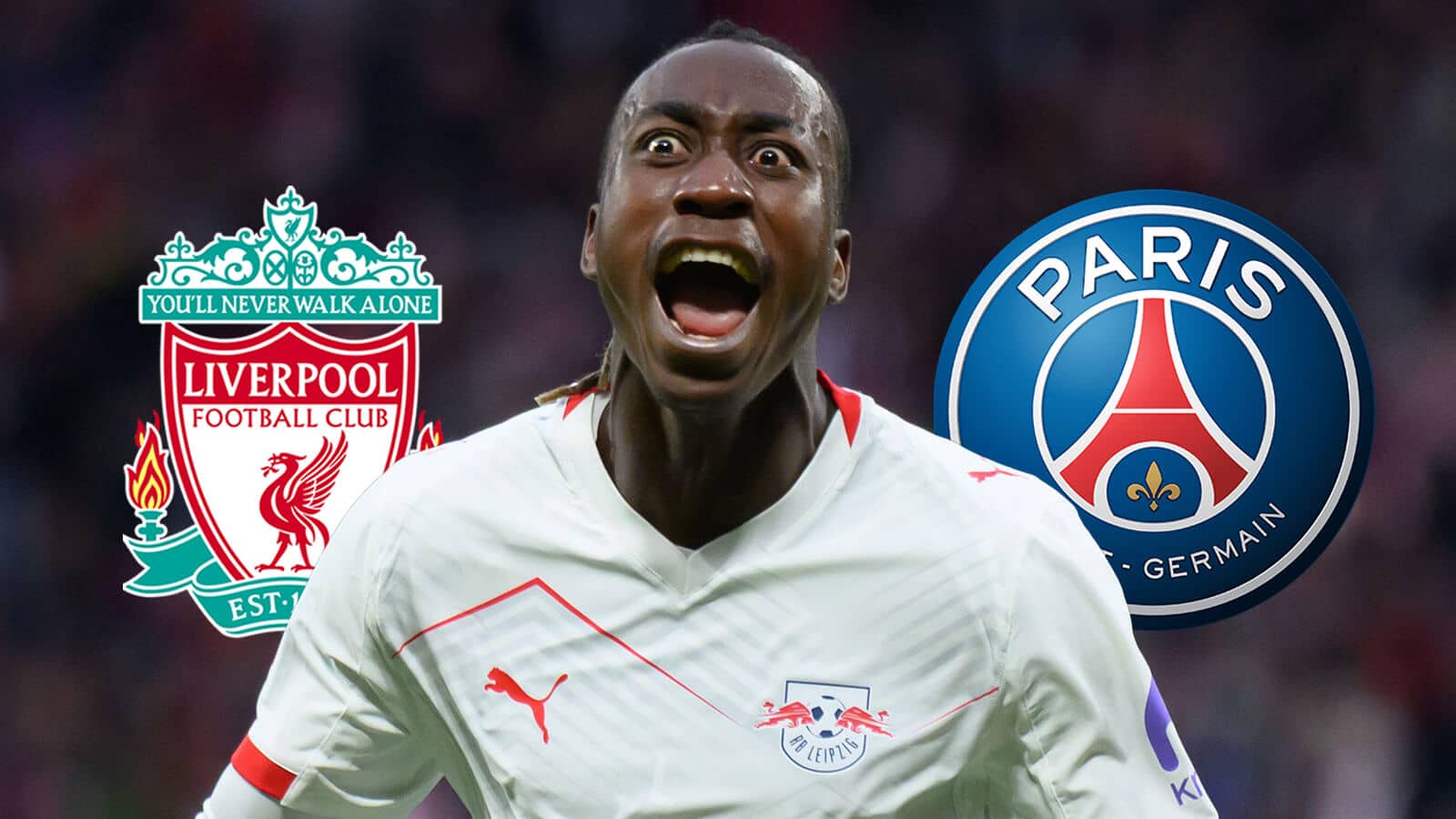
The contrast with Khvicha Kvaratskhelia could hardly be starker. When both arrived on the European stage, they appeared destined for parallel trajectories of excellence. Instead, their paths have diverged completely. Kvaratskhelia's move to Napoli proved transformative. He won Serie A, then secured a £60m switch to Paris Saint-Germain in January 2025. His impact in France has been nothing short of remarkable—instrumental in PSG's maiden Champions League triumph last season and now central to their title defence this term.
The Georgian's brilliance in the Champions League semi-final first leg against Bayern Munich, where he scored twice in PSG's thrilling 5-4 victory, has lifted him into seventh place in the Ballon d'Or conversation. He boasts six goals and two assists across five knockout matches, continuing to dazzle opponents with the kind of maverick flair that cuts through modern football's increasingly cautious aesthetic.
Mudryk, meanwhile, sits facing the prospect of permanent exile from the game he once looked destined to conquer. Whether or not he genuinely knew what he was ingesting, the decisions that shaped his career—from departing Shakhtar to joining Chelsea instead of Arsenal—now read as catastrophic misjudgements. A footballer once tipped for the very summit has instead plummeted to depths that may prove irreversible.
It's a brutal reminder of football's unforgiving nature. One day you're the future. The next, you're a cautionary tale.
Compare options