Mexico's Azteca Masterclass Proves World Cup 2026 Can Rise Above the Noise
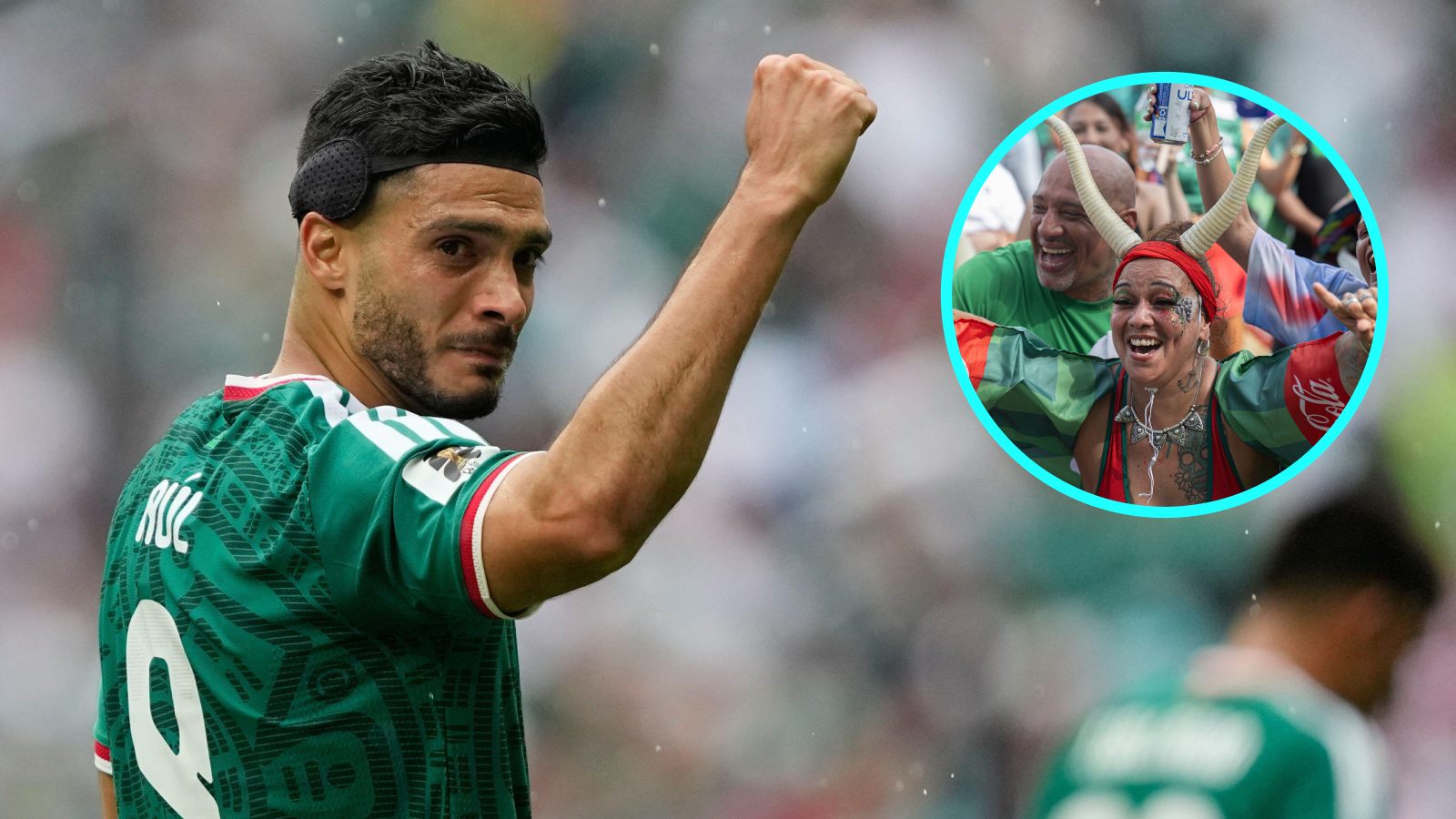
The 2026 FIFA World Cup has arrived amid considerable baggage. The tournament's North American hosts—the United States, Mexico, and Canada—have been overshadowed by political turbulence, from FIFA president Gianni Infantino's unusual rapport with US President Donald Trump (who received the inaugural FIFA Peace Prize months before kick-off) to Middle East tensions that threatened Iran's participation. Yet when the opening whistle sounded at the Azteca on Thursday, football's ancient pull proved irresistible.
The setting alone warranted celebration. Mexico's fortress hosted the curtain-raiser, a fixture between a World Cup institution and the nation that had occupied this very stage 16 years prior, when South Africa's Siphiwe Tshabalala etched himself into continental folklore. The pageantry matched the occasion, with Fox Sports deploying Thierry Henry, Zlatan Ibrahimovic, and Alexi Lalas, alongside Javier Hernández and Peter Schmeichel. Across the Atlantic, ITV assembled Roy Keane, Gary Neville, and Ian Wright—the Overlap trio in full effect—with Mark Pougatch anchoring proceedings. (The channel's decision to include Alan Richman of Man v. Food for "American perspective" raised eyebrows, though such curiosities barely registered once the fever took hold.)
After the pundits dispensed with the political elephant in the room, the opening ceremony proved surprisingly palatable. The first nostalgic reference to 1966 arrived at 19:23, courtesy of Sir Geoff Hurst, before attention turned to South Africa's daunting task against hosts expected to dominate.
Mexico's Azteca credentials are formidable. The ground has witnessed only two competitive defeats for the home side—a record that includes the World Cup triumphs of both Pelé and Diego Maradona. Drawn alongside South Africa, the Czech Republic, and South Korea, Mexico had drawn the kindest opening assignment imaginable, and they seized it with ruthless efficiency.
Bafana Bafana offered little resistance. Raúl Jiménez's early warning volley set the tone before Sphephelo Sithole's calamitous giveaway gifted Julian Quiñones the opening goal, sending the Azteca into raptures. A second felt inevitable, and Sithole's red card five minutes into the second half made it so. Jiménez doubled the tally 17 minutes later, and by the final whistle, South Africa had been reduced to nine men following a third dismissal—Cesar Montes receiving the most contentious of the three cards in the 92nd minute.
The mathematics now favour Mexico considerably. With the best third-place finisher advancing from the group stage, Thursday's victory has positioned them ideally to progress, extending a remarkable streak: this was their 61st World Cup finals appearance, the most of any nation never to have won the tournament.
For viewers globally, the result offered relief. The political machinations surrounding this competition remain unavoidable and important, yet for 90 minutes at the Azteca, the beautiful game reasserted its supremacy. That, at least, is a victory worth celebrating.
Compare options