Rosenior's Chelsea Humbled as PSG Prove Too Clinical at Stamford Bridge
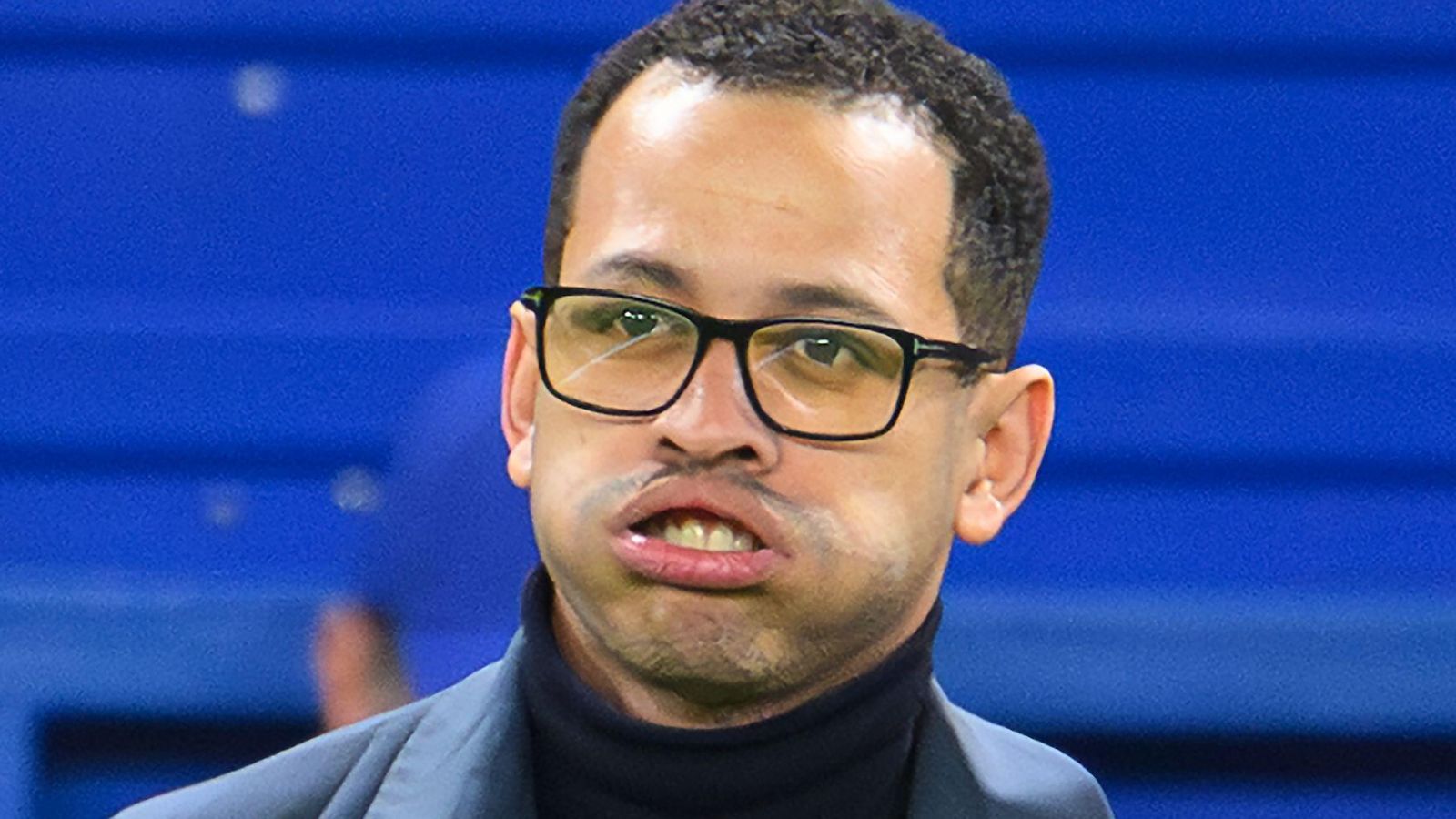
For all Chelsea's possession metrics and underlying statistics, none of it mattered when the final whistle sounded. The Blues were thoroughly dismantled by Paris Saint-Germain on their own turf, surrendering a 3-0 reverse that extended their aggregate humiliation to 6-2 across both legs.
The collapse was swift and utterly demoralising. Mamadou Sarr's failure to control possession gifted Khvicha Kvaratskhelia an opening just six minutes in, the Georgian sweeping past Robert Sanchez to make it 6-2 on aggregate. Eight minutes later, Bradley Barcola added a second to effectively end any pretence of a comeback, and by the hour mark, the contest had descended into pure theatre of the absurd.
Chelsea's defensive vulnerabilities had been exposed in the first leg, but the second-leg performance suggested a side that had mentally capitulated. Sarr's elementary mistake was compounded by the earlier catastrophe involving Filip Jorgensen in Paris, whose error had allowed Vitinha to establish PSG's 3-2 lead. When defending against Europe's elite, such lapses carry an unforgiving price.
Rosenior's tactical response told its own story. By the 60th minute, with his side already beaten, he withdrew Cole Palmer, Enzo Fernandez, and João Pedro—three of his most influential operators. The message was unmistakable: damage limitation against Everton's visit next weekend mattered more than salvaging pride against PSG. Playing the final half-hour with such personnel missing against opponents of this calibre transformed embarrassment into something altogether more damaging for the manager's credibility.
The statistics offered cold comfort. Chelsea's expected goals figures across both legs painted a picture of a team that had created the better chances. Yet Luis Enrique's side possessed something more valuable: world-class players capable of converting their opportunities with ruthless precision. Barcola's finish on his weaker foot, Ousmane Dembélé's strike, Vitinha's lob, and Kvaratskhelia's outrageous curler all demonstrated the gulf in clinical finishing between the two sides.
Before kickoff, Stamford Bridge had buzzed with European anticipation. By the 14-minute mark, the atmosphere had curdled entirely. Chants referencing Roman Abramovich and criticism of Clearlake's stewardship echoed around the stadium—a damning indictment of where the project currently stands.
Rosenior arrived at Chelsea following his spell managing Strasbourg, a BlueCo-owned outfit in Ligue 1. The promotion always felt precipitous for a young coach still developing his tactical philosophy. Against PSG's pedigree, he was simply outmaneuvered. Individual errors certainly contributed to the scoreline, but the broader reality is that Chelsea were outplayed by opponents who proved superior in execution and composure.
The immediate focus now shifts to securing European football for next season. Winning the FA Cup would provide some consolation, but a top-five finish carries far greater financial implications—precisely what Todd Boehly and Clearlake's ownership model prioritises above all else.
Rosenior's position remains secure for now, but the margin between a promising young manager and one deemed out of his depth is frighteningly narrow. Whether he survives the season—let alone beyond—increasingly depends on results rather than the bright ideas that initially appealed to the board.
Compare options