One Dismissive Line and Hurzeler Accidentally Made Arsenal Fans of Us All
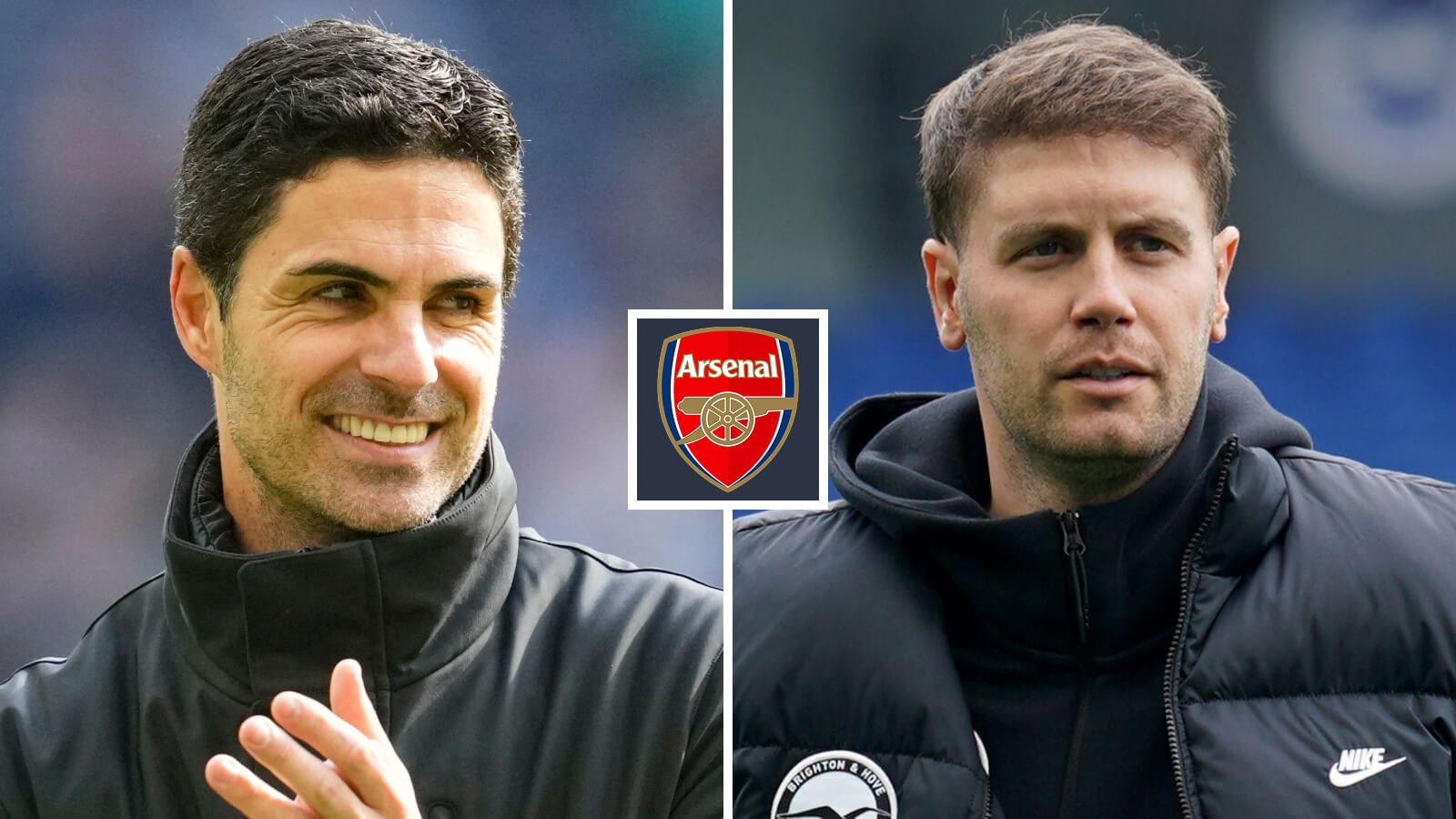
There's something deliciously ironic about watching a manager talk himself into being the villain. Fabian Hurzeler managed precisely that on Thursday evening, delivering a masterclass in shooting oneself in the foot with just one sentence—fifteen words of such staggering self-regard that the entire football world pivoted in Mikel Arteta's favour.
Bukayo Saka's early deflected effort proved sufficient for Arsenal to pocket three points at the Amex, pushing their Premier League summit to seven clear of Manchester City, who could only muster a draw against Nottingham Forest at home.
The contest itself was hardly a thriller. "Tortuous" barely covers it. Yet Hurzeler emerged from the tunnel absolutely seething, launching into a comprehensive broadside against Arsenal's time-wasting theatrics and questioning whether anyone in the stadium had actually enjoyed what unfolded before them.
"If I asked everyone in this room did they enjoy this football game, I'm sure maybe one raises his arm because he's a big Arsenal fan, besides that, no chance," the Brighton manager declared. "There was only one team that tried to play football today."
He pressed on, highlighting the goalkeeper's repeated hit-deck routine and suggesting the Premier League desperately needs to establish clearer boundaries around such antics. He even quantified the issue: Arsenal matches apparently feature just 50 minutes of genuine play-time compared to 60 in others. The referee, he reasoned, faces an impossible task enforcing rules that don't exist.
Then came the killer blow—the line so dripping with moral superiority, so absolutely saturated in self-righteousness, that it instantly transformed the entire narrative.
"I will never be that kind of manager who tries to win in that way."
And there it was. One sentence. Enough to make even the staunchest Arsenal critics suddenly think: well, perhaps there's something rather refreshing about winning matches through sheer effectiveness rather than philosophical purity.
Arteta, when given the opportunity to respond, took the high road with surgical precision. "What a surprise," he offered, before declining to elaborate further. He pointed towards his previous statements on the matter, noting that such criticism rolls in with predictable regularity. His actual focus, he stressed, remained on his squad and their competitive spirit.
"I love my players. That's the highlight. I love my players, we love our players and I love the way we compete."
When pressed on whether he cares what rival managers say about him, his answer was measured: "Care? Yeah. Depends… and the comments, and the purpose of that."
Sometimes all it takes is a bit of sanctimonious lecturing to remind everyone why pragmatism beats philosophy in football. Hurzeler's self-satisfied certainty has inadvertently become Arsenal's best advertisement.
Compare options