Arsenal's Gritty Corner Masterclass Outlasts Infuriating Chelsea in Set-Piece Showdown
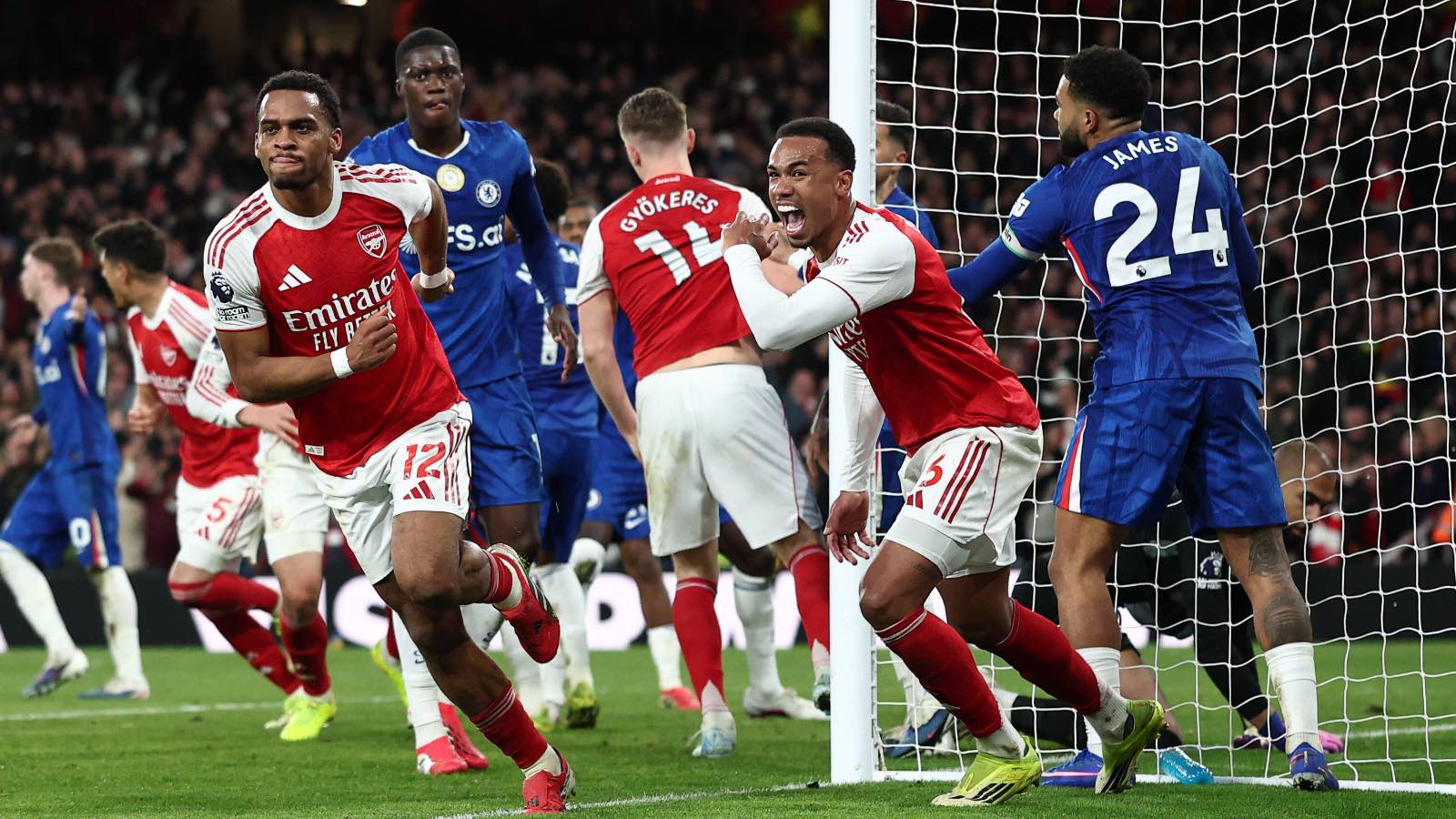
There's a particular roar that echoes around the Emirates when Arsenal win a corner—a primal, almost ritualistic sound that has become the soundtrack to their season. Should the Gunners land the title, that guttural call to arms may well be the defining noise of their campaign.
On this occasion, Chelsea proved to be the latest victims of Arsenal's set-piece sorcery, though the manner of victory underscored both the club's ruthless efficiency from dead balls and a concerning brittleness elsewhere.
The opening stages belonged to Chelsea. Gary Neville's observation about the visitors being a "very small" side gained credence as Cole Palmer operated from the left with genuine threat, while Enzo Fernandez and Joao Pedro repeatedly exploited the space between the lines as Martin Zubinendi found himself overwhelmed. Robert Sanchez's nervousness only compounded matters, his attempts to demonstrate composure repeatedly placing his own side in jeopardy.
Then came the inevitable: Arsenal's opening goal from—you guessed it—a corner. The eighth such strike of the season arrived courtesy of Gabriel Magalhaes, whose aerial dominance in these situations remains unmatched in the Premier League. Towering above Reece James, the Brazilian defender rose majestically to assist William Saliba's finish. It was a masterclass in set-piece execution that professional football once took far too long to master properly.
Chelsea struck back almost immediately through sheer misfortune. A Declan Rice elbow that somehow escaped punishment preceded a scramble at the back post where Piero Hincapie diverted the ball past his own goalkeeper. The irony was thick: Chelsea had essentially "Arsenal-ed" Arsenal, turning a set-piece into a goal through chaotic circumstances.
What followed was a familiar pattern—Arsenal slumping into stasis, requiring another dead-ball situation to reignite. This time, a Jurrien Timber dive (dubious at best) led to a corner, and Sanchez's catastrophic failure to claim Rice's delivery handed Arsenal a third. The Chelsea goalkeeper's decision to stoop as the ball arrived proved fatal; he'd have claimed it comfortably from a standing position.
The contrast in goalkeeping proved decisive. While Sanchez floundered, David Raya produced a masterclass: a remarkable stop from Rice's elbow, a denial of Fernandez from distance, and an extraordinary save to push Alejandro Garnacho's wicked cross around the post during stoppage time. He even produced a ridiculous double save against Pedro—though the Brazilian was in an offside position anyway.
Yet the true turning point came when Pedro Neto received a red card for his refusal to compete in a foot race against Gabriel Martinelli, a decision so absurd that even Liam Rosenior could only shake his head from the bench. It was Arsenal's ninth red-card gift of the season.
Chelsea's performance deserved better. They dominated possession after going down to ten men, maintaining 65 per cent of the ball, and proved genuinely infuriating to watch—the kind of side that leaves supporters wondering what might have been. In open play, they gave as good as they received against a largely aimless Arsenal attack.
Yet the underlying concern for Arsenal isn't the corner-kick mastery; it's the defensive vulnerability and the growing reliance on Raya to bail them out. The goalkeeper proved imperfect against Wolves, and luck—whether through controversial decisions, goalkeeper errors, or dubious diving calls—won't always break their way. This wasn't Arsenal at their best; it was Arsenal scraping through, and that formula has an expiration date.
Compare options