Carrick's Clarity Exposes Amorim's Stubborn Folly as United Soar Past Arsenal
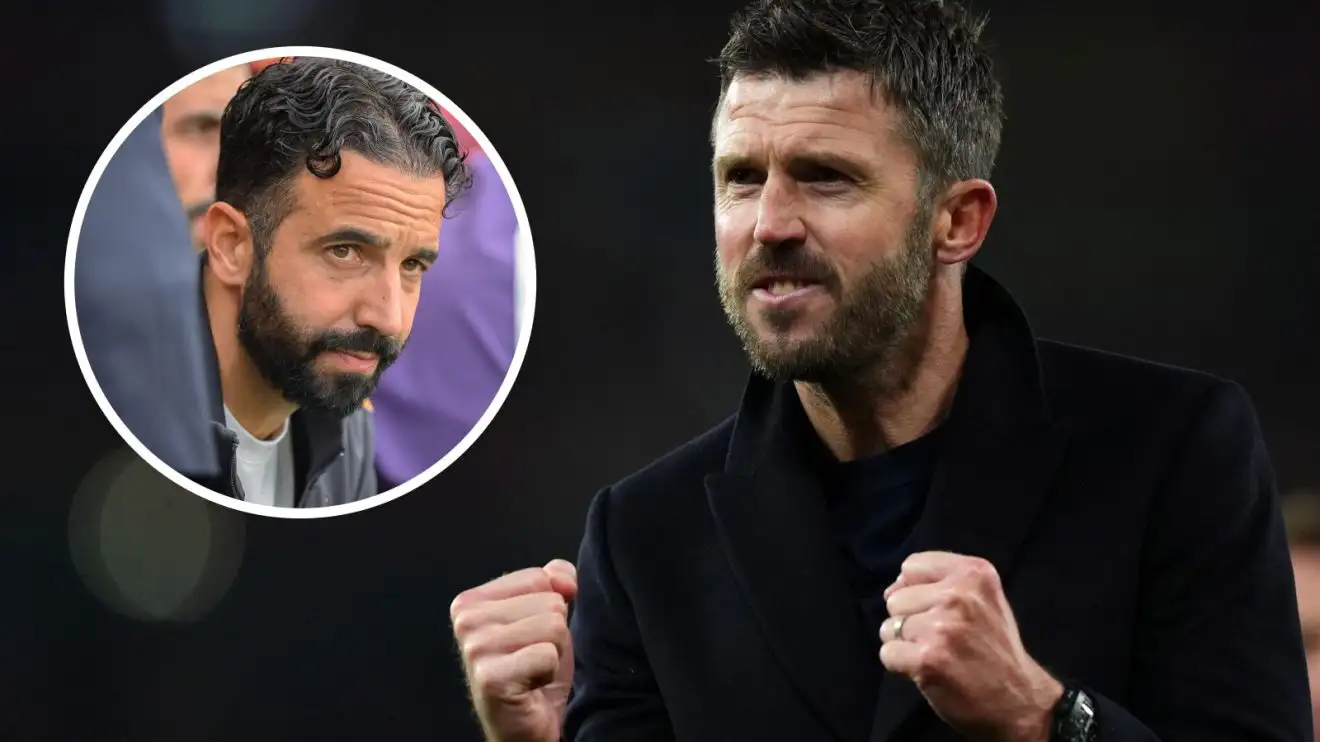
You could forgive anyone for thinking managing Manchester United might actually be rather straightforward, judging by how comprehensively the Red Devils dismantled Arsenal on Sunday.
Perhaps that's an uncharitable take. Yet there's a compelling case that Amorim ranks among the easiest predecessors to follow in the modern Premier League era.
With each outing under Carrick's stewardship, the stubborn inflexibility of Amorim's system – which suited precious few at Old Trafford – becomes increasingly glaring. After Darren Fletcher's caretaker spell, Carrick has arrived and, in just a fortnight, transformed United into something recognisably closer to what the club ought to resemble.
The solution? Devilishly straightforward, really. Deploy your players in roles and shapes that complement their strengths, both individually and collectively.
Carrick and his backroom team have clearly done more than tinker – there's been genuine work to restore standards – but the fundamental shift stems from one thing: allowing the players to simply play football.
This isn't to overlook what Carrick has already accomplished. Remaining undefeated against both Manchester City and Arsenal would constitute a stellar achievement in isolation. To become the first United outfit in fifteen years to string back-to-back victories against the elite pair represents something altogether special.
Yet it underscores precisely how much Amorim's dogmatic adherence to principle was dragging United backwards.
The transformation is striking. Previously a side that crumbled through the middle, leaving themselves vulnerable at both ends, United now look defensively assured and genuinely threatening in attack. It was blindingly obvious all along.
Amorim wasn't unique in allowing personal philosophy to eclipse pragmatism. Modern football discourse demands managers possess a "style" – usually identical to what everyone else is attempting – and recognisable tactical patterns. Amorim, though, took this further, determined to remake United in his image rather than, y'know, actually win matches.
Carrick's mandate was simpler: keep things straightforward. That's precisely what United required post-Amorim.
With a system the squad recognises, players appear liberated. Freed from Amorim's constraints and their own overthinking, they've stopped wrestling with formations like they're solving differential equations.
The individual improvements are equally damning for the departed manager as the collective resurgence.
Take Kobbie Mainoo. Amorim had decided the England international couldn't function in his midfield's base – for reasons never entirely convincing. That United and Mainoo nearly parted ways speaks volumes about misplaced priorities during the Portuguese coach's tenure.
Mainoo possesses the technical credentials for the position. Questions lingered about his ground-covering, yet in two starts under Carrick, he's covered more distance – 11.89km against City and 11.26km at Arsenal – than any teammate or opposition player.
With Mainoo anchoring, Bruno Fernandes operates higher up the pitch. Tethering one of Europe's most inventive midfielders to three centre-backs should've been grounds for immediate dismissal. That Fernandes made the arrangement work reflects magnificently on him, considerably less so on his former boss.
Lisandro Martinez, similarly, looks transformed as part of a defensive partnership rather than a trio. Even those sceptical of the World Cup winner acknowledge United operate considerably better with him in a two-centre-back setup, both offensively and defensively.
Carrick has enjoyed a stroke of fortune with his timing. Mainoo returned from injury just as he took charge, and the managerial change likely accelerated his recovery. Fernandes and Martinez were both recently back from their own layoffs.
Should fitness remain cooperative and Carrick sustains this trajectory, the board faces a fascinating dilemma. United's initial tests against the elite have given way to a run featuring four bottom-half opponents from their next five – precisely the type of fixture that repeatedly caught United out under Amorim.
February will clarify matters considerably. The premature speculation about Carrick's long-term future grows tiresome already, yet those fixtures will prove revelatory about United's genuine capabilities and whether this represents genuine progress or merely respite.
Compare options