Kane's Late Heroics Spare England from DR Congo Catastrophe
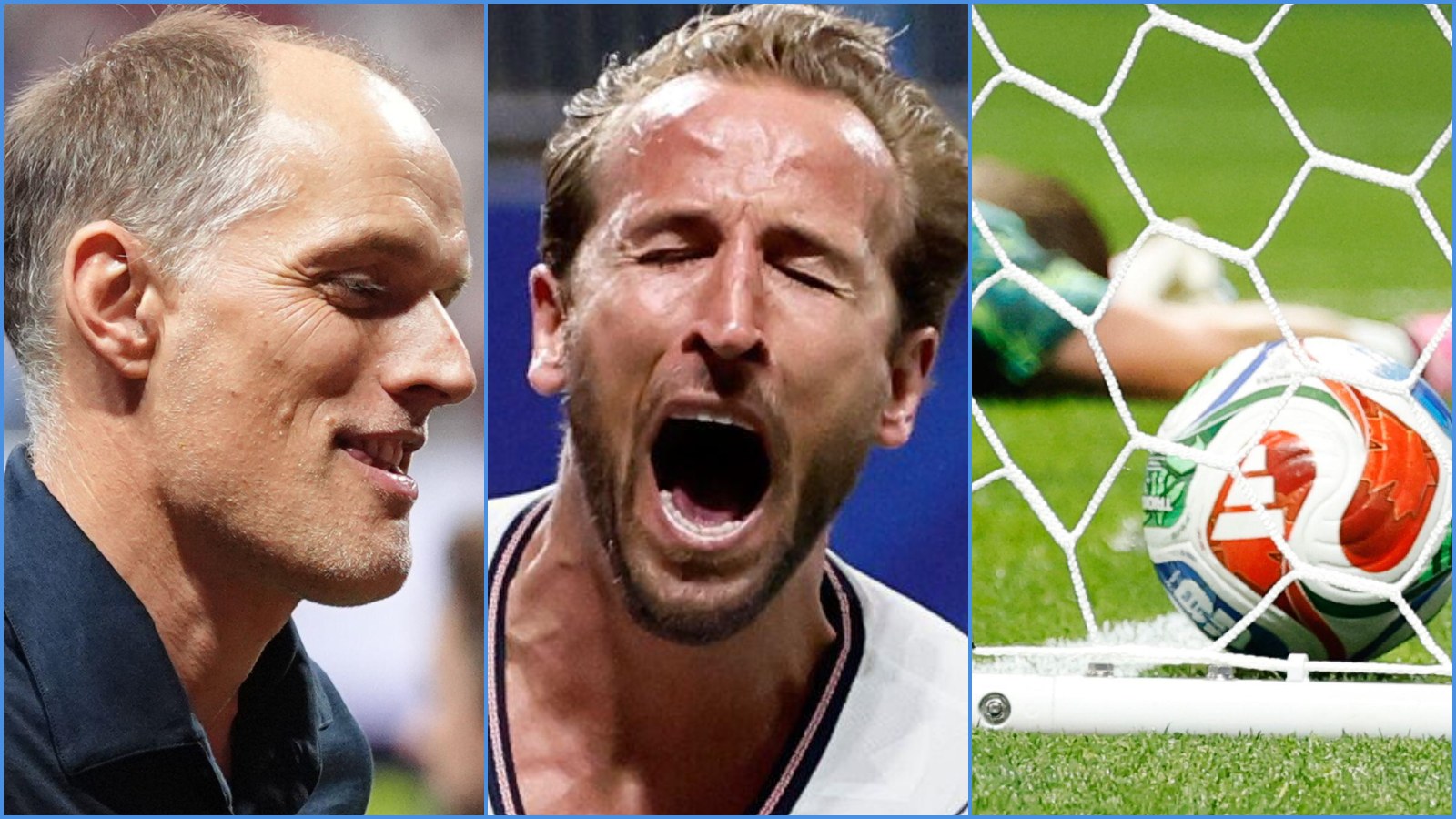
England scraped through a match they had every right to lose, rescued by the class of their captain when it mattered most. Harry Kane's late intervention proved the difference in a 2-1 knockout win that will be remembered more for how close it came to disaster than anything remotely approaching a convincing performance.
The narrative surrounding Kane's journey to this moment cannot be ignored. Back in October, the Bayern Munich forward spoke candidly about the pain of his penalty miss against France, calling it the worst he'd felt in any moment during his Spurs career spanning nearly two decades. Watching him channel those years of accumulated frustration into a single, ferocious strike was witnessing redemption of the highest order—not that he needed it. Kane has accumulated enough credit with the international setup to survive any setback, but his transformation from excellent to genuinely elite has rendered past failures almost irrelevant. For England, for Munich, and by any reasonable measure as a footballer, he has become something approaching the untouchable.
But that finish. That moment. Utterly extraordinary.
The strike itself carried echoes of the spot-kick that haunted him. This was no penalty, yet precisely the sort of chance Kane will have drilled countless times on the training ground. The way he received the ball with his back to goal, shifted it clear, fashioned space and unleashed it with such raw power and accuracy spoke to the relentless preparation that separates the elite from the merely excellent. Kane's technique isn't what sets him apart—it's the almost absurd consistency with which he executes at the highest level. After Qatar, he spoke about how the hardest thing to process was "not being able to execute something that I've been able to execute many a time in my career." This time, he left nothing to chance.
The first half, though, felt uncomfortably reminiscent of Euro 2024. England faced the barrel of a genuinely humiliating, tournament-defining defeat to inferior opposition, and they arguably deserved no better than the early exit their individual quality alone prevented. The performance oscillated between abysmal, bewildering and infuriating—every bit as alarming as previous embarrassments against Iceland and Slovakia, and equally damning on a manager who would have struggled to continue credibly in the role had things deteriorated further.
Thomas Tuchel promised to "build on what Gareth built and add a little extra to get over the line." A scrappy 2-1 victory against weaker opposition in the first knockout match felt rather on the nose, but if that "little extra" delivers a trophy in the final courtesy of a Champions League-winning coach, this will largely fade from memory.
The defensive shambles that led to Congo's opening goal encapsulated the chaos. Zero midfield pressure allowed Chancel Mbemba to play a comfortable pass 15 yards into England's half. The entire backline inexplicably shifted across together as though controlled by a single string, leaving gaping spaces. Noni Madueke abandoned his defensive duties. Jordan Pickford was beaten at his near post—a legitimate criticism despite his generally commanding display. It amounted to a genuinely baffling goal that rattled England until the hydration break provided a moment to reset.
The extent of their discomfort was crystallised in the 19th minute, when no player could complete even a simple five-yard pass cleanly. Ezri Konsa and Nico O'Reilly left the ball so long on the edge of the area that Yoane Wissa, having been knocked down, managed to get back up and nearly steal possession. Jude Bellingham's crunching challenge after overrunning the ball summed up the entire team's scattered state of mind—they were basically Paul Gascoigne at Italia '90, desperately needing someone to tell them to compose themselves.
Something shifted after the restart. Bellingham's header in the 30th minute represented England's latest first shot in a World Cup game on record, and Declan Rice was the architect with a sublime cross. Only Achraf Hakimi and Leandro Trossard have created more chances at this tournament than a player whose importance was somehow undermined by his cameo at right-back, with another of his crosses proving crucial in the equaliser after a well-timed driving run down the flank.
Rice has established himself as England's best midfielder and best right-back, which must feel rather nice, though his stoppage-time substitution underlined that he's nowhere near full fitness. His hamstrings are unlikely to thank him for the double duty.
England should have capitalised on their momentum. Kane's sumptuous control of a Marcus Rashford pass created an opening that never quite materialised before Madueke finally reached the byline and delivered. Rashford couldn't quite force the ball over at the back post, leaving England still trailing. Beyond Brian Cipenga's goal, that represented Congo's best work as a team.
Axel Tuanzebe stuck tight to Kane throughout and was exceptional, while Aaron Wan-Bissaka's goal-line block epitomised a composed defensive display. As Tuanzebe noted afterwards: "The pathway is there for them, we're ensuring that." Defenders coming through will simply have to wait their turn.
Lionel Mpasi, the Congo goalkeeper with a name like a failed Wordle attempt, joined the growing list of shot-stopper legends at this tournament. Bellingham was denied wonderfully twice, while Mpasi's unconventional block using his actual anatomy against Kane showcased the summer's emerging theme of inspired goalkeeping. Perhaps this was destiny ever since Emiliano Martinez's theatrics four years ago—though it didn't work quite so well against Pickford.
Mpasi did escape a penalty at the end of the first half when Kane went over after contact from the rushing goalkeeper. It should have been a spot-kick, though the only decision given was a goal kick. Kane initiated contact and made the most of it, but Mpasi did touch him. The whole situation—neither penalty awarded nor simulation booking issued—remains genuinely baffling. Probably karma for previous decisions.
Konsa has been dreadfully poor throughout this tournament. He's probably England's worst player, yet Tuchel won't drop him at this stage and probably can't given his available options. The one defensive constant has looked the least convincing part of an already faulty machine. His failure to track Wissa nearly cost England dearly, and his centre-half partnership with Marc Guehi seems bizarrely non-existent. The Maguire-Stones axis of major tournaments past is sorely missed.
Tuchel deserves credit for channelling that late-era Southgate skill of making correct changes at the correct moments. Taking both wingers off on the hour reflected their minimal impact—Madueke managed one dribble and cross, Rashford an effort cleared off the line—while both failed to contribute defensively. The latter's dreadful cross shortly before substitution was greeted with boos he'd earned.
The shift to Rice in defence was courageous, reportedly suggested by assistant Anthony Barry. It meant Elliot Anderson became the pivot with more attacking players committed forward, finally breaching Congo. Bukayo Saka and Eberechi Eze, both introduced from the bench, were involved in the build-up to the equaliser. Rice's engine helped him burst into the area to dig out a cross to Anthony Gordon, who lofted it back for Kane to score.
England possess players capable of multiple roles and a coach willing to deploy them accordingly. The team didn't panic or waver in attack—looking back, it felt far more fraught in living rooms and pubs than it actually was on the pitch. If anything, they were too calm, seeking controlled possession rather than attacking with real intensity. No shots came between the 55th and 74th minutes, then they scored in the 75th and seized momentum.
The winner stemmed from Anderson's pass, Bellingham's run and Kane's finish, the first two opening Congo before the final piece. Gordon kept his head best by collecting a loose ball, evading two challenges and playing it to the captain—making him the first substitute on record to assist two goals in a World Cup knockout. That complicates the argument for his elevation to the starting XI against Mexico, even as Rashford's performance argues against his retention.
England are through, their captain has written another chapter in his redemption narrative, and Mexico awaits at the Azteca. But the vulnerabilities exposed here won't disappear without serious attention.
Compare options